
Watching the anger in Grethe Thunberg's eyes when she talks to politicians, businesses, media, and whoever addressed you feel an anger fueling generations, and regardless of whether you like her, agree with her or disagree, she has set an agenda. However, the sustainability challenges cannot easily be changed, at least not without enormous consequences for many people. You can, of course, argue that doing nothing also has massive implications for many people.
By Editor Morten B. Reitoft
The problem with Thunberg is that she does very little herself and blames others for the problems she preaches, but there are no easy solutions whatsoever!
In my last article (Greenpeace chase Mercedes Benz for greenwashing, could it be you?), I gave examples of why the sustainability agenda isn't easy. For one, many people abuse people's good hearts and fear, profiting from dubious projects. Second, as long as the measures and the quote-trading aren't aligned with realities, it will be almost impossible to use the Kyoto- and Paris treaties and its, in my mind, logical way of using trade to align. We buy quotes that are fake or would have been done anyway. We buy compensations that we hope are good, but how should we be able to judge?
The only way to reduce CO2 and CO2e is by decreasing emissions, and as long as we don't have alternatives to current energy, it will mean lower consumption of literally all goods. It will for the populations mean drastic lifestyle changes. No flying unless absolutely needed. No cruises, no ski holidays, not a buy-and-throw-out culture like the one most people accept today, better energy usage in houses for heating and cooling, and the list is endless. The changes are so dramatic that when governments talk about CO2 and CO2e reductions, they don't even dare to take citizens' emissions into account!Planting trees have a limited and temporary effect, and all the (hopefully) genuinely well-thought projects delivered to 3rd countries most likely have an even more negligible impact. So what would work?
Though science has solutions to some challenges, many of the solutions will depend on future innovations yet to be invented! Fusion is one of the solutions that scientists continue to believe can solve our energy problems with clean, unlimited energy - and without the challenges of Nuclear Fission. See this film from Curious Droid about Magnets for more information about this. Another solution is straightforward. When the glaciers melt, rock flour is a pure material to be used in areas where trees have been taken down and land made into deserts. So though the idea is to use the land for agriculture or forestry, the idea is to develop land that today has become growing desserts.Until Nuclear Fusion is a reality, salt-based thorium nuclear is an option. Together with renewable energy (solar, wind, wave, thermo, etc.), the planet can see these sources as the maybe only solutions to an ever-growing need for energy!
Factories or devices able to convert CO2 are already in the market, and renewable air fuels based on CO2 are an alternative soon available on a large scale!So how fast will technology be something that can help save the planet from overheating with a high level of certainty? There are a lot of projects developing in that direction. Of course, understanding the global warming effect is something that a majority of the UN-researchers believe has under control. However, there are still recognized researchers that question some of the conclusions. The Danish Astro Physicist Henrik Svensmark has been widely quoted and criticized for claiming that the sun is responsible or partly responsible for global warming. For many years, he has researched how cosmic rays influence the aerosols essential in cloud formation. He and his research colleagues claim there is an almost one-to-one coalition between solar activities and global temperature. When I watched the above linked-to film, I also discovered that in the 18th-century, economists had a crops-index based on solar spots as farmers and economists realized a coalition between solar activities and ROI on crops.
Does it mean that we can call off the carbon agenda? As mentioned, Henrik Svensmark is an often criticized scientist, and it's said that some of his experiments haven't been possible to replicate!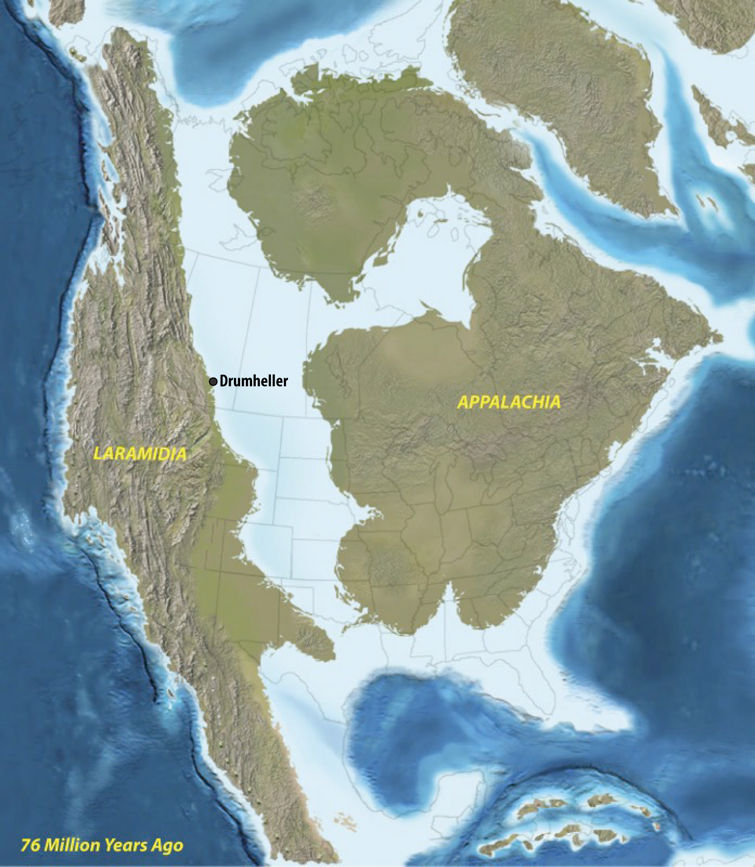
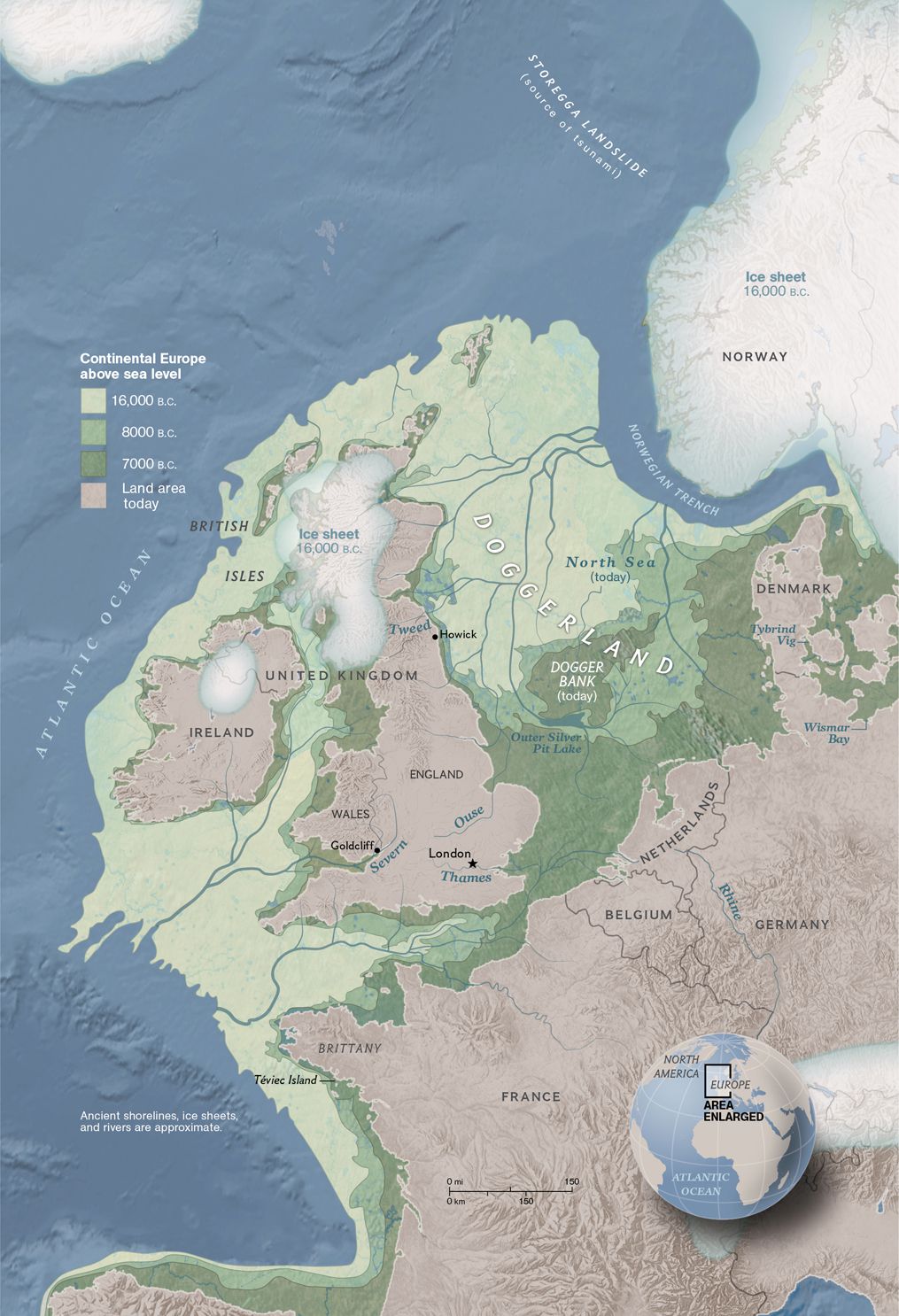
However, global warming is a fact, regardless of what triggered this. The question is why we believe the climate is a constant? Looking at historical data, the world has permanently changed, so the situation is most likely that the consequences get bigger when populations grow, buildings, cities, and the financial impact the changes will have.
Climate and sustainability are essential for many reasons. I, for one, believe it's more than fair to deliver the planet in a better condition to future generations. So cleaning up our own shit is by all measures a good plan. The cost of getting there is another question. CO2 is today seen as a "sinner," but CO2 is what you and I exhale, and I, therefore, believe it's important to put things in that perspective as well. I don't think that any would like to take dramatic steps like in Dan Brown's book Inferno, where scientists take an active approach to reduce the global population!
Does any of the above relate to the printing industry? Well, of course, the environmental agenda applies to all sectors, and the next article will be specifically about cradle to cradle, alternative energy sources, and how to optimize production from a sustainability perspective.



Login
New User? Signup
Reset Password
Signup
Existing User? Login here
Login here
Reset Password
Please enter your registered email address. You will recieve a link to reset your password via email.
New User? Signup
Currency Exchange Graph