Loading

Books of one is an intriguing idea and what has always been possible to do physically is today profitable using the newest and latest technology. Last week, your INKISH team visited three North American printing companies, all producing books of one. Not only amazing to watch but, according to the owners, a market that keeps growing.

The three companies we visited were Bridgeport National Bindery - which despite its name, is a fully-fledged printing company, Documation, and finally Linemark.

By Editor Morten B. Reitoft 

Bridgeport National Bindery is located in Springfield, Massachusetts - and I will revert later to WHY I am pretty specific about the locations of these companies - advantages and disadvantages! Springfield has about 155,000 people, with the Connecticut river passing through the city. The area is also known for its paper plants, ranging from Northstar Pulp & Paper Company, Neenah Northeast, Monson, and many more.

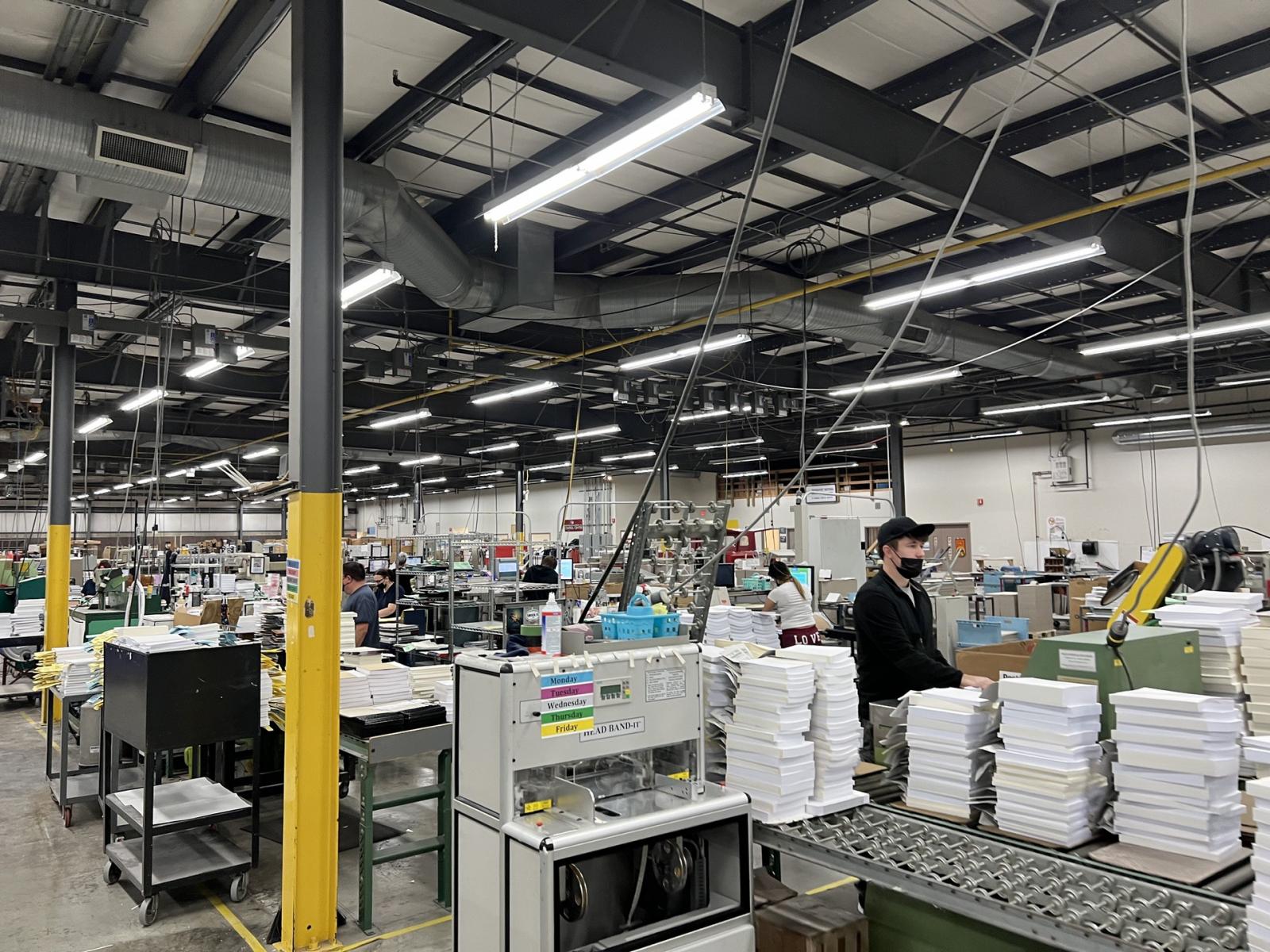
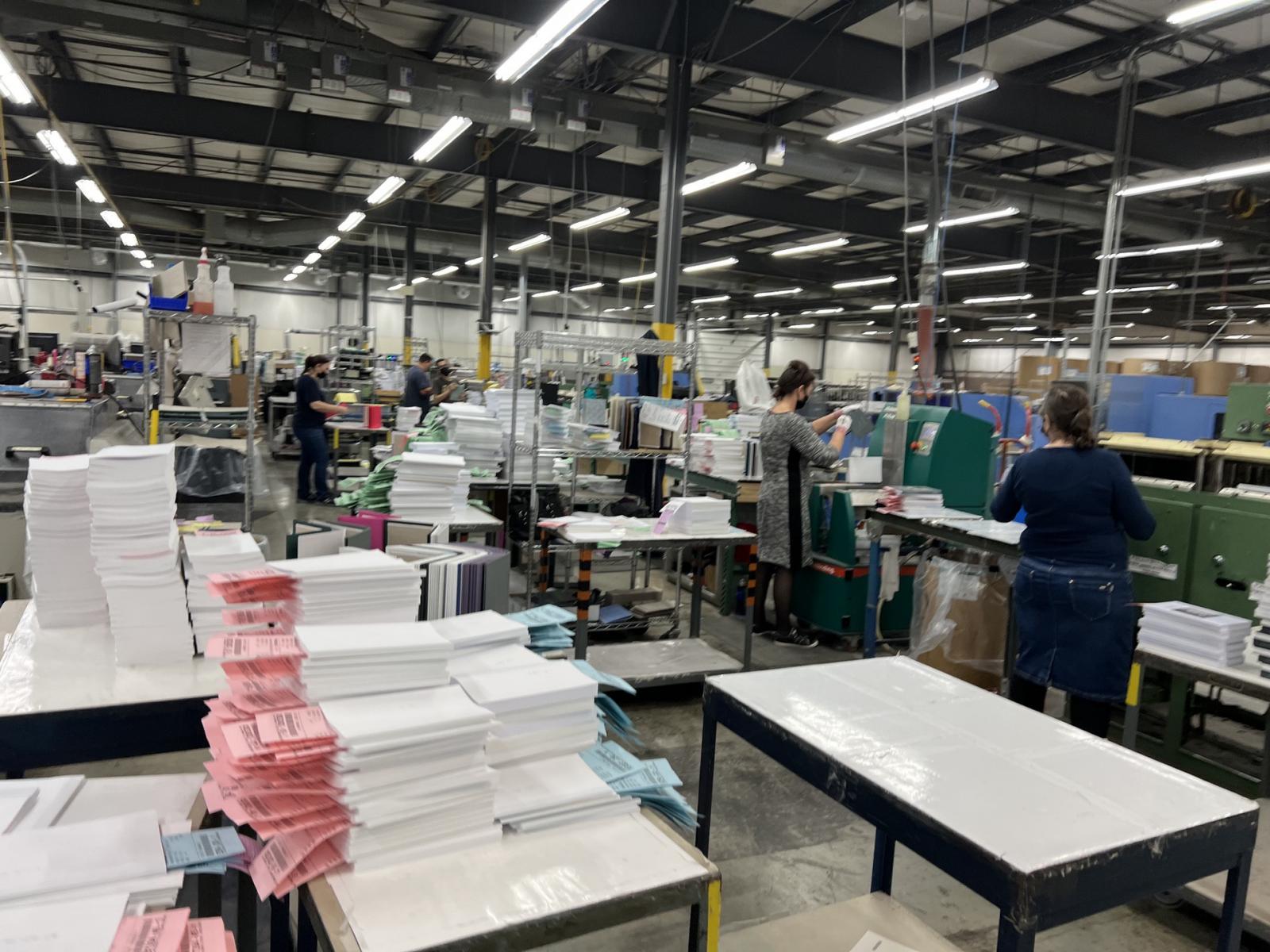
Bridgeport National Bindery has two web-based inkjet presses (an HP T-series and a Screen) and Ricoh and HP Indigo sheet-based toner printers for covers. A Hunkeler and Tecnau line makes the book blocks. From here, Bridgeport has numerous capabilities from softcover, hardcover, and a wealth of options - and though many operations are automated, many are also manually handled by the employees. The short turn-around time, high quality, many different options are among the offerings from Bridgeport. The 75-years old VP Bruce Jacobsen guided us through the facility and gave us an amazing insight into what the company offers. It was amazing to see how he could step into practically every process, guiding the people from gluers to printers, fulfillment, etc. Bruce Jacobsen's passion for the book was encouraging. The craftsmanship that goes into the operation in everything from process to finished products is an excellent promise to the customers.

With a typical turn-around time of 24-48 hours, the company produces around 5,000 books a day - and you see books in all kinds of sizes and formats all over the factory.

The next day, we visited Documation in Eau Claire in Wisconsin. The city has about 70,000 inhabitants and is located about 1,5 hours from Minneapolis's St. Paul Airport. Jan and I didn't get to see much of the town as we arrived late and departed directly back to the airport after filming - but it was cold :-)

Documation is one of the two companies having an offset press - and though rarely used, the company is about to phase it out and expects to replace it with some sheet-based printer shortly. VP of operations, Jeremy Stanek, spoke about various options, but as he said - regardless of technology, he wants a machine that won't require pre-treated paper. This is, by the way, an almost universal trend that I hear with virtually any printer speculating about solutions!

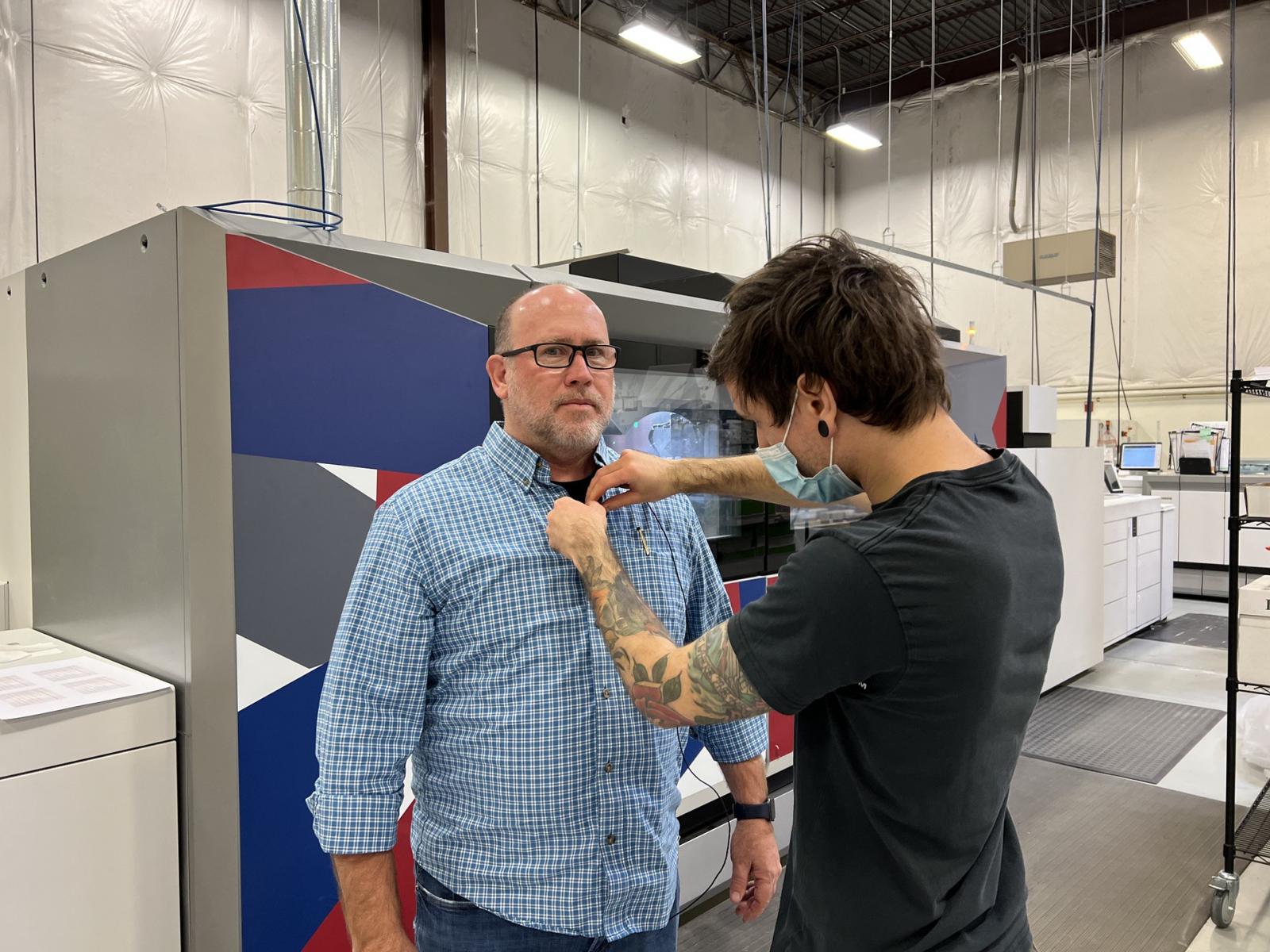
Jeremy Stanek was our host and a great guy. As with the two other companies, he was open-minded, knew a lot about his company, the technology, and where he sees his company in the future. Digital IS the future for all three companies, and with very streamlined operations, the book of one is the future and a profitable one!

Two T-series HP printers are the main gear for producing the book blocks - some of the book blocks are made on the nearline Hunkeler equipment, and others on the two fully automated binding lines using Hunkeler and Horizon equipment. The fully automated binding line for softcover gives the flexibility of variable pages per signature - on the fly - and automatic setup for variable formats and cover widths. The covers are made on a Xerox iGen5 and a Ricoh 92XX series printer - and the quality looks fantastic!

Finally, we went to Linemark in Upper Marlboro, Maryland. Upper Marlboro is a tiny city with only 630 inhabitants. However, it is so close to Washington DC that we almost felt like Upper Marlboro was a part of DC.

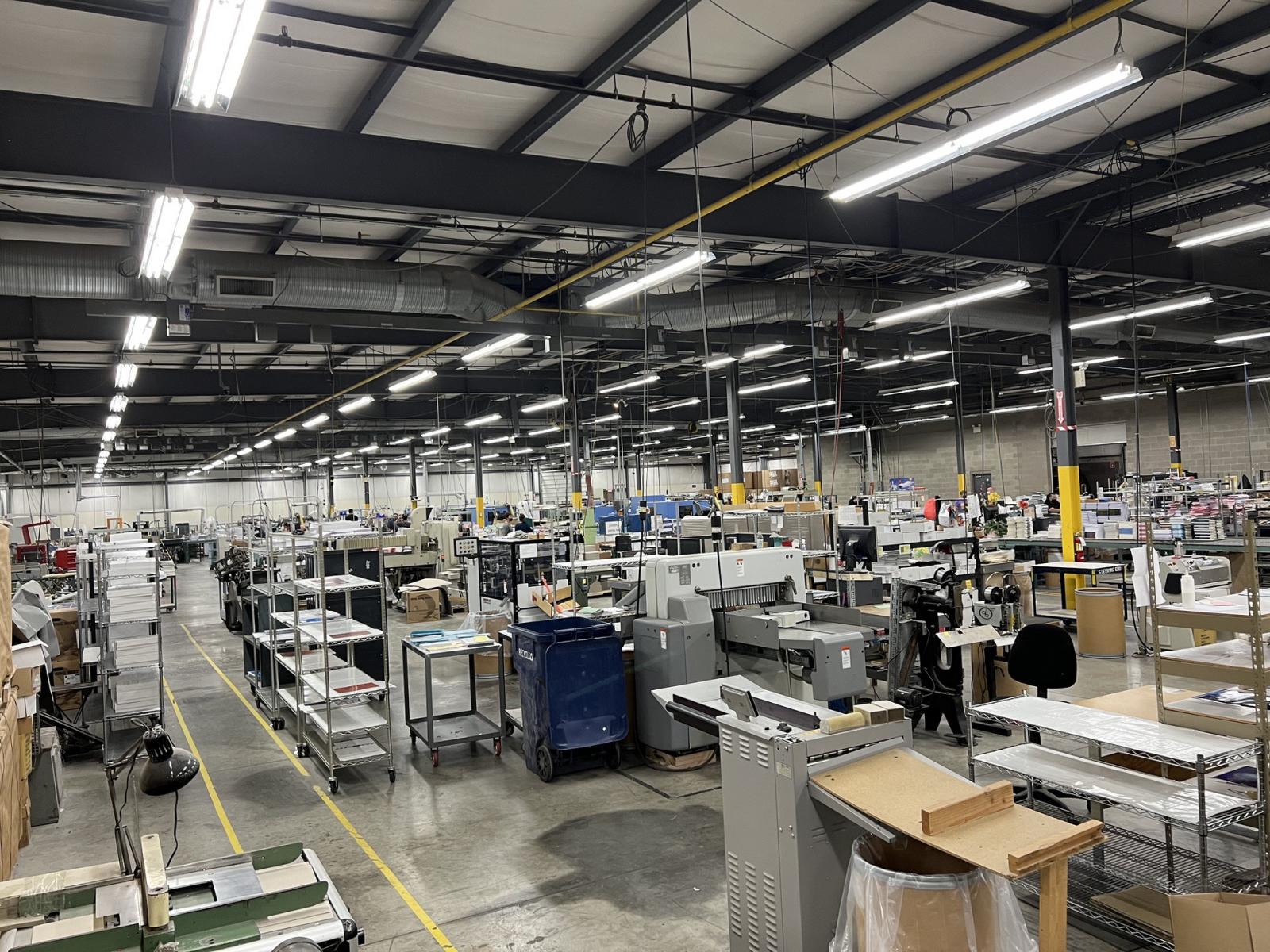
Linemark is owned and managed by David Ashton and Steve Bearden, a smart and lean printing company that produces more than 10,000 books a day! Linemark has several Indigo presses, of which one is web-based. Recently Linemark invested in the new Canon iX-3200 sheet-based inkjet printer. Besides the digital printing equipment, Linemark also has two Heidelberg presses. However, a year ago, Linemark invested in a new Mueller Martini binding line that has become the company's centerpiece, producing books with variable formats and spine sizes with little operator intervention.

Linemark offers many extraordinary services on top of the actual books - and showed how books could be sold with upgrades from scents, bookmarks, but even 'hand-written' letters/addressing is also possible.

As you hopefully understand now, Bridgeport National Bindery, Documation, and Linemark are new 'breeds' of printing companies delivering books of one with fantastic technology, different deliverables, and located in very different parts of the US.

All companies are located in areas where recruiting employees is difficult. Bridgeport National Bindery said that their growth was limited because it's almost impossible to recruit new people. Therefore, the need for automation is a question about being faster and smarter and a question of investing in technology that can support the companies growth in times where it's difficult or impossible to attract new labor.

The need for further automation is clear - the companies able to produce books of one see a growing demand, and the channels are vast. Some are directly integrated to various publishers' backends, some to Amazon, some to HP's Siteflow, and some even serve the growing Cloudprinter platform. The role of salespeople changes since the nature of the supply chain changes along with the new technology available.

To see companies able to print books of one is exciting, but even more interesting is seeing how prices on digitally produced books get closer and closer to those in offset. I didn't ask where the break-even was for books in either technology. Still, the entire business model is changing with no warehousing, books printed only after order (and typically payment), no book shops, and no speculations about minimum orders. For those who have invested in technology supporting these trends - well, they seem to be on the winning side!

Add/View comments for this article →


Comments
user