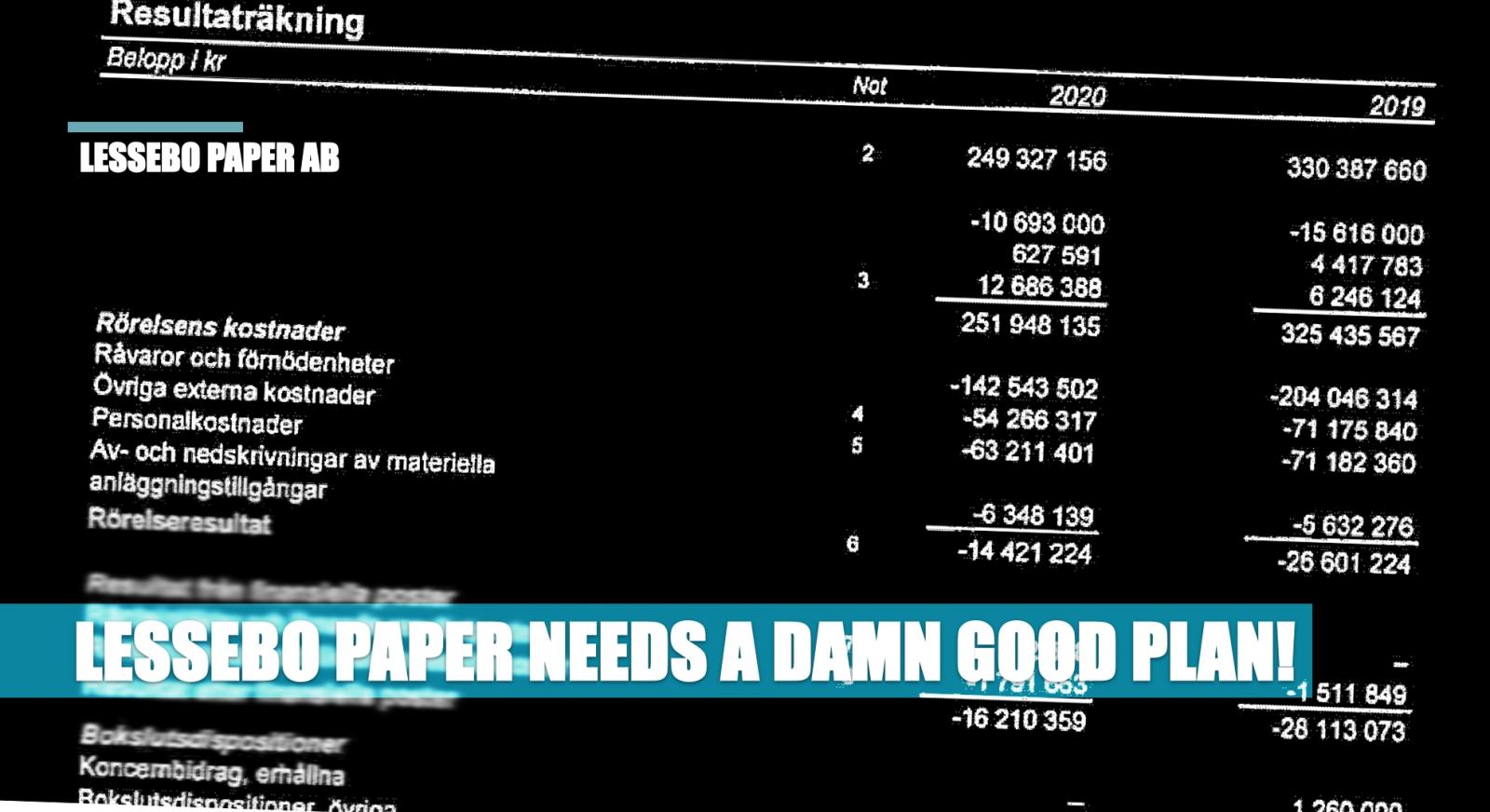
Yesterday, August 31st, the Swedish paper manufacturer, Lessebo Paper, announced a production stop due to dramatically increased energy prices, and numerous media have already reported this, but maybe there is more to that story!
By Editor Morten B. Reitoft
Lessebo Paper is a more than 300-year-old paper mill. Lessebo Paper is known for its uncoated papers with brands such as Scandia 2000, Design, Digital, Kaskad, Colorit, Texture, and more; all papers brands, designers, and printers have worked and loved for years. A considerable part of the production is exported to mainly Europe. I have always loved Lessebo paper, but time is changing, and navigating a changing market always requires a razor-sharp focus on the operation.
Lessebo has not been successful in the past many years. Decreasing revenue and super thin margins have slowly but surely made the operation more complicated. To put the decrease in perspective, Lessebo Paper delivered annual sales of 392 million Swedish Kroner (€27 million) in 2018, dropping to 252 million Swedish Kroner (€23 million) in 2020.
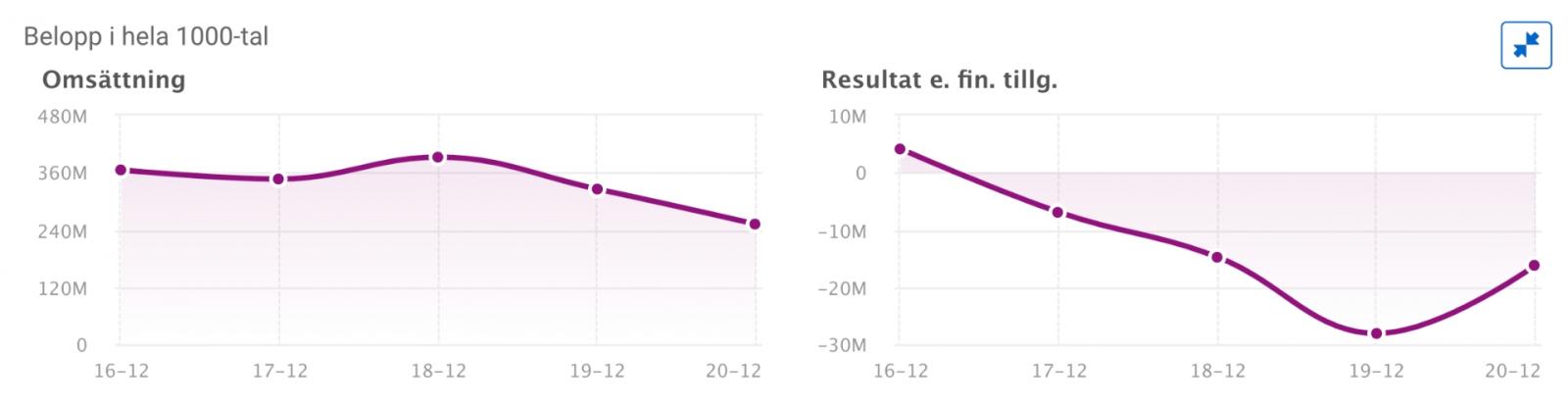
Lessebo Paper AB has not - as far as we can see - delivered the by-law required annual reports for 2021, and we have written to Lessebo Papers and asked why? When companies don't deliver their financial statements, they will typically first receive a warning, and hereafter they can be forced to close operations entirely.The previously published financial reports can be downloaded for free following this link.
When a company decides to stop production, it is a warning to the rest of the market, but more importantly, if you don't produce any products, you won't have any revenue. However, operating a business requires cash, and looking at the latest published annual reports, managing Lessebo is more complicated. The results over the past years are not good!
So what will Lessebo do now?
With the insanely high energy prices, I believe many can understand the decision, but will this be the end of Lessebo Paper as a 300-year-old mill? Energy prices can't be controlled unless investing in energy sources like wind and water. As Lessebo is a cradle-to-cradle certified paper mill, the considerations must have been on the table at some point to become energy independent?
To speculate on decreasing energy prices seems to be a very fragile route as nothing indicates MUCH lower prices any soon!
The war in Ukraine, the high inflations, and a very high dollar/euro exchange all play a significant role, and nothing seems to change. So if the energy prices won't drop, Lessebo can ONLY adjust prices to absorb the increased cost, find alternative energy sources - or, of course, close the business.As the market for commercial print is decreasing, the question is whether the market will accept price increases?
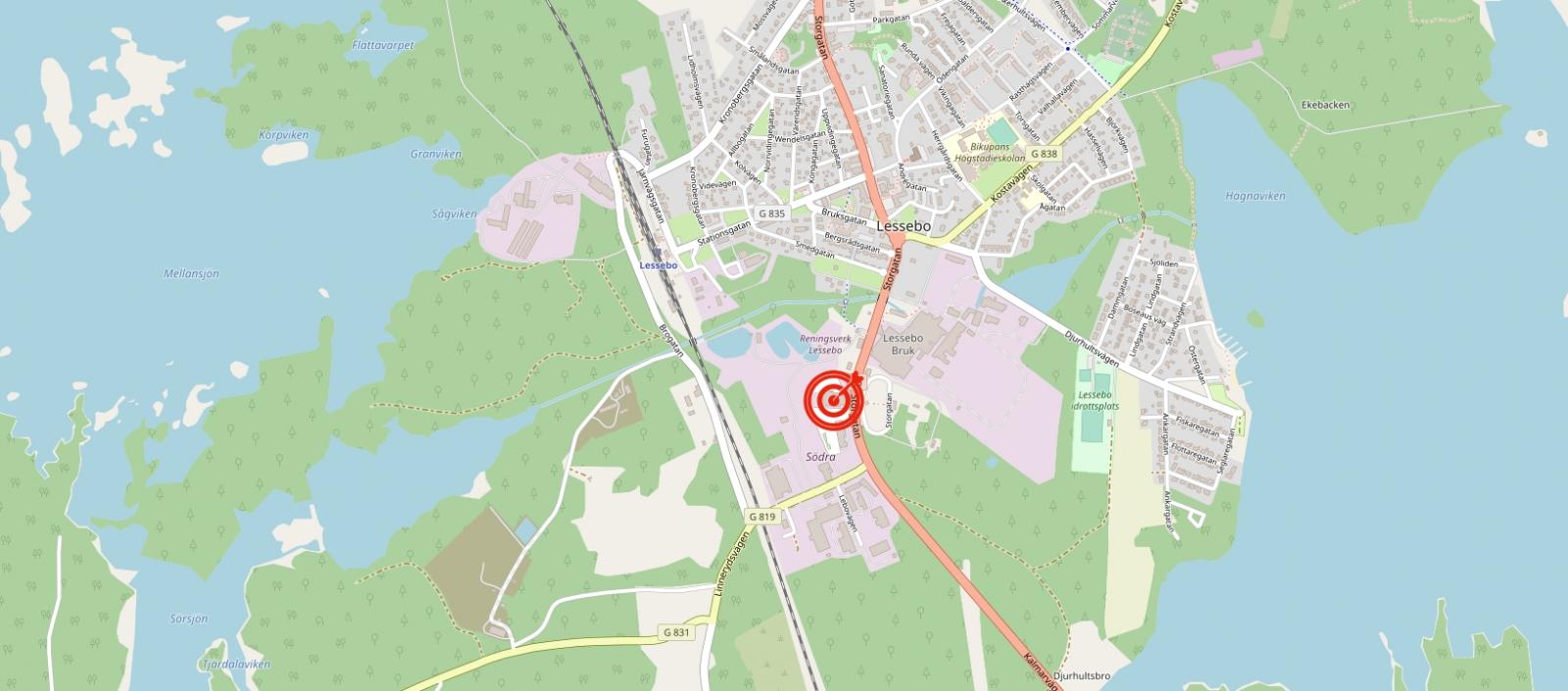
The owners of Lessebo are Jool Invest (49%), Bakers AB (38,5%), and Edbergs Transport AB (12,5%). All are companies based in the city of Lessebo - a city with less than 3,000 people - and all are big companies within their fields of expertise. However, only Jool Invest (as far as I can see) have other companies in its portfolio with potential synergies.
Vigo Edbergs Transport AB has a reasonably sound economy. Bakers AB has increased its revenue by more than 40% from 2020 to 2021 and turned a loss into an impressive profit - but still, nothing in the league financially to support what Lessebo may need to essentially survive. The Majority Owner, Jool Invest AB, controls several companies in various business segments. The company's website states, "Småland (part of Sweden) entrepreneurship with sound values and long-term ownership."
Jool Invest was founded in 2008 by Tom Olander and Göran Johansson. Göran Johansson is part of the management of Lessebo Paper, of which Jool Invest took a 25% stake back in 2015. Tom Olander is part of the management team of Lessebo Finance, which owns Lessebo Paper. Tom Olander has been named "Best upcoming male entrepreneur" by EY.
Here is the motivation: "Through his distinct management approach, this entrepreneur successfully attracts and retains the competence required to achieve rapid growth and exceptional profitability. In a unique and flexible manner, the company has created significant business opportunities in a previously marginal market segment. Successfully operating completely different branches of business in a way that bring synergies to the entire JOOL group is very impressive."
We have asked some of these questions to Lessebo, so let's see if they answer - and if yes, I will update this article.




Login
New User? Signup
Reset Password
Signup
Existing User? Login here
Login here
Reset Password
Please enter your registered email address. You will recieve a link to reset your password via email.
New User? Signup
Currency Exchange Graph