Paper is tactile, visible, readable, reliable and in short supply.
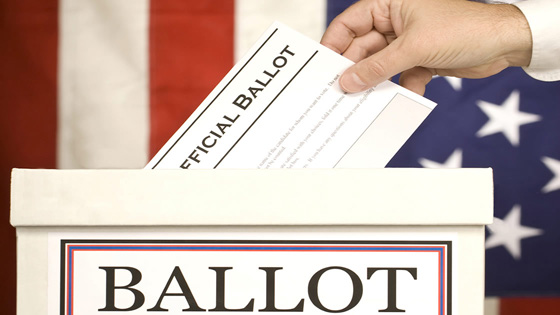
Electronic voting has proven to be vulnerable to a lack of confidence. Electrons are invisible. How can we trust them? Why isn’t blockchain technology used? Of course, it is invisible too. What can be seen? Ink on Paper. Yeah. Tried and true. Democracy is most threatened by a lack of confidence in the systems used to elect officials to office to do the people’s bidding. It is the essence of a republic; power held by the people and exercised through their elected representatives. People are willing to stand in long lines, often created by political moves that make voting less than easy.
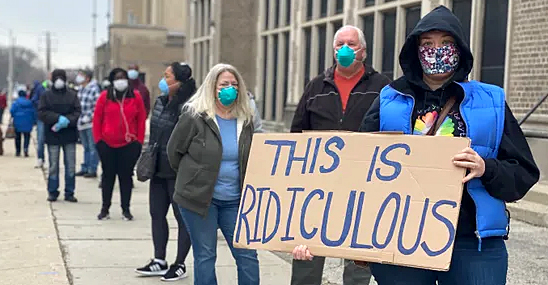
These facts alone make a record of the election results critical to bolstering the confidence in a democracy, in a republic form of government. While money may become virtual (it already practically is), voting records might best be preserved as physical records. Paper is the best choice for the preservation of those visible votes. So why not make voting all paper, hand counted, in the open, with election parties going on all night to hear and ‘SEE’ the results? It is possible, but challenged. What challenges it right now? The lack of paper.
Yep, election officials throughout the United States are struggling with supply chain issues just to have the raw materials. Paper for ballots and envelopes? Easy to manufacture, unless there is a shortage of paper. In most if not all cases it is a fairly large PSP that has the levels of a secure workflow to be able to print ballots. But even these well-established printers face difficulty in obtaining paper in a timely matter. And elections are timely. Primaries and general elections move inexorably and so delays in printing ballots would disrupt the entire electoral process.
Mary Clark, the clerk of Delta Township in Michigan states, “We were notified that [our printer] is only allowed to order paper twice a month,” creating a bottleneck to the democratic process. The quantities of paper required can wipe out a printer’s house stock inventory. What happens to serving their other clients? How can a business thrive, keep people employed if the raw materials are in short supply? The democratic process and jobs, jobs, jobs. All, at risk.
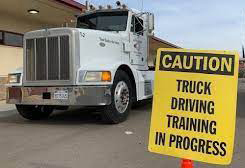
Supply chain issues for paper extend from shortages at the mills themselves, a lack of truck drivers, to an increasing demand from a rapidly growing economy. The pandemic has smartened up many companies about their dependency on logistics. But the recent crisis in Ukraine is another hit and will impact already strained channels of distribution. Paper supplies are not immune, and many printers are suffering from limits on order quantities and types of substrates available.
As simple as the idea of voting is: “mark the name of the candidate you want the votes will be tallied,” the actual mechanism of voting is at risk. That risk feeds distrust of both the technology used and the system running the operations. While paper ballots, something that is held in your hands and read, might bolster confidence, even the simplicity of ink on paper is a challenge to produce in today’s world.
References: Article by Zach Montellaro and Marissa Martinez; Politico.com 3/18/2022




Login
New User? Signup
Reset Password
Signup
Existing User? Login here
Login here
Reset Password
Please enter your registered email address. You will recieve a link to reset your password via email.
New User? Signup
Currency Exchange Graph