As new printing presses equipped with inline colour control systems have been installed worldwide, I updated this article, which was published four years ago.
I have added a new chapter that addresses how to manage these systems as they relate to blanket performance. Frequently, I hear operators expressing concerns about the reliability of these automatic control systems. They argue that these systems do not consistently maintain the printing conditions. Unfortunately, countermeasures to ensure that colour bars are correctly printed are often overlooked, and defects can confuse the scanners.
Dear readers, I was surprised by the overwhelming response to the article 'The Achilles Heel of Printing Presses: Everything You Should Know About the Ink Ductor Rollers,' published in English and Spanish on February 25, 2021. However, I was also moved by the interest that sparked Komori's series exploring the Komori innovation timeline. It is engaging to be involved in printing as a medium.
The reproduction process has been central to my professional career because it keeps me interested. In addition, it has been exciting to implement so many new transformational technologies and innovations from the beginning, from alcohol-free fountain solutions to waterless offset and vegetable-based inks to UV, from desk-top publishing (DTP) to direct-to-plate, FM screens to Extended Colour Gamut, inline cold foil to colour process control with Manroland InlineColorPilot, and many other automation systems in the printing press.
In addition, it is fascinating to learn about how so many technologies are constantly evolving and innovations are steadily converging. These innovations touch the graphic arts industry and sometimes become transformational milestones requiring specific applications.
As I look back, Drupa and Interpack trade shows is where I explored, learned, got inspired, and grew professionally. This time, I decided to explore the role of the blanket in the offset lithographic printing process. This article might change your views entirely about lithographic blankets and hopefully leave you with some positive input, helpful tips, and a productive conversation.
Sadly, finding information about the man who invented the offset lithographic printing process is hard. To most accounts, Ira Rubel's invention accidentally changed an industry and created the first offset printing press over 100 years ago. Rubel was born in Chicago, died at 48 in England, and never enjoyed a celebrity's life. His invention was not welcome with open arms, as letterpress dominated the industry. But by 1960, most printing was done by offset. Today, the industry worldwide is worth 800 billion USD.
Blankets in offset lithography are the final delivery transfer system that determines stability, and they are central to the reproduction quality of the offset lithographic printing process. This mechanical engineering principle applies to all offset printing presses and applications, from UV and security to digital printing.
It is evident in the latest technologies introduced in the plateless Landa inkjet Nanographic offset printing process; the blanket is the key and center of the engineering miracle known as Nanography. A heated and endless flexible belt loop (blanket) transfers directly into the substrate at high speed the freshly made image of multicolour nano-ink droplets of ink delivered by the impression station of the inkjet nozzles.
Two distinctive characteristics group blankets into compressible and non-compressible. Compressible blankets produce sharper and consistent dot gain. In addition, they display minimal distortion at the nip contact point against the plate cylinder or substrate surface.
Blanket construction has evolved over the years. However, Nouryon of Sundsvall, Sweden, introduced Expancel microspheres over forty years ago, and enhanced compressibility and improved printing blankets' resilience changed blanket manufacturing forever.
The printing blanket architecture consists of a back of reinforced heavy-gauge sturdy cotton woven fabric known as the carcass, which often includes polyester yarns. This fabric also has a weft to add dimensional stability to the material.
The blanket structure also has inner interwoven, thinner fabric layers, depending on the thickness and the compressible layers. The high-melting thermoplastic Expancel microspheres consist of a polymer shell that encapsulates a gas; when heated, the gas expands up to 60 times its original volume without increasing its weight, making it a lightweight filler and a blowing agent.
Another valuable property of Expancel in the lithographic offset printing process is reducing vibrations that enable a consistent, controlled transfer of the freshly formed ink film layer to the substrate. The sizes of these microspheres in blankets range from 50 to 120 µ, with an average diameter of 90 µ uniformly distributed throughout the elastomer. These lightweight microspheres in lithographic blankets reduce costs and environmental impacts by requiring fewer raw materials. The final slow-curing vulcanization process bonds the layers together, forming an interlinked structure.
Before blanket manufacturing, the cotton woven fabric known as the carcass undergoes washing, drying, and stretching to reduce residual fabric stretch. During manufacturing, QC materials ensure the stretch index properties are at a minimum and have high tensile strength to enhance blanket dimensional stability and support performance and tension around the blanket cylinder. Depending on the intended application, the blanket might include several layers of fabric and compressible layers.
In addition, increased press speed demands the latest blanket construction technology to withstand successive and repetitive pressure-pounding contact between the plate and blanket cylinders and the blanket against the substrates.
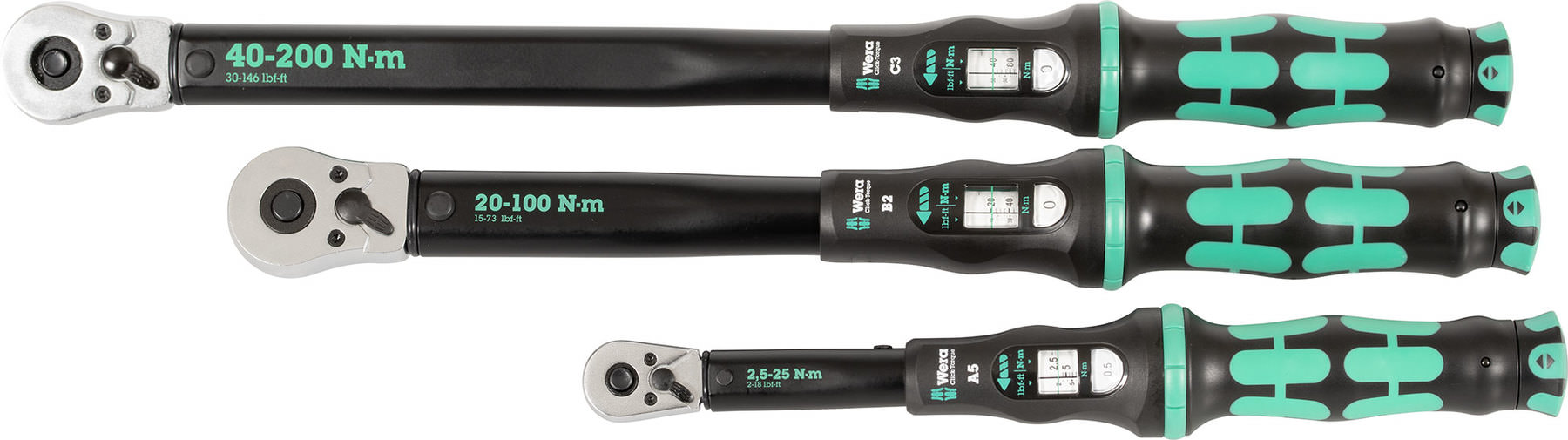
Blanket tensioning should always follow the manufacturer's suggestions. Based on my professional experience, the ideal point of blanket tensioning is when the printing blanket is squarely mounted and adequately packed to specs and doesn't display visible or measurable directional slurring or doubling during printing.
Establishing the most desirable and stable tensioning conditions might take a few press trials. It is best to torque blankets, let them run with the impression ON for two minutes, and then retighten. At that point, you have established or restored the original printing conditions.
Note that UV printers not using LED curing systems must consider the blankets' heat exposure factor. Most blankets tend to stretch more under extreme heat exposure, but they reach a plateau and tend to stay there.
The blanket surface varies depending on the application. For packaging applications, a rough surface is ideal to improve transferability and reduce tack at the point of contact with the substrate.
I had the opportunity to use Pearl finish from Continental inline cold foil application on Manroland Evolution presses.
The glass beads' surface, with approximately 7,000 ultrafine glass beads anchored in the top layer per square centimetre and a hardness 20% higher than compressible blankets, applies the right kind of surface-distributed pressure to allow the foil's clean edge and smooth peel off.
In Nanography, the nano ink droplets are spread on an especially treated blanket and heated to 120 °c to create a thin ink layer transferred to the substrate under pressure.
Cylinder alignment, blanket gauge, and squareness are critical mechanical parameters in offset printing. Cylinder bearers' pressure needs to be checked and adjusted periodically to meet the required specs. Bearers are the only reliable and accurate physical reference of the cylinder contacts. Blanket gauge differences from edge to edge and squareness are not manageable at the press. These manufacturing and conversion issues are present mainly in large blankets.
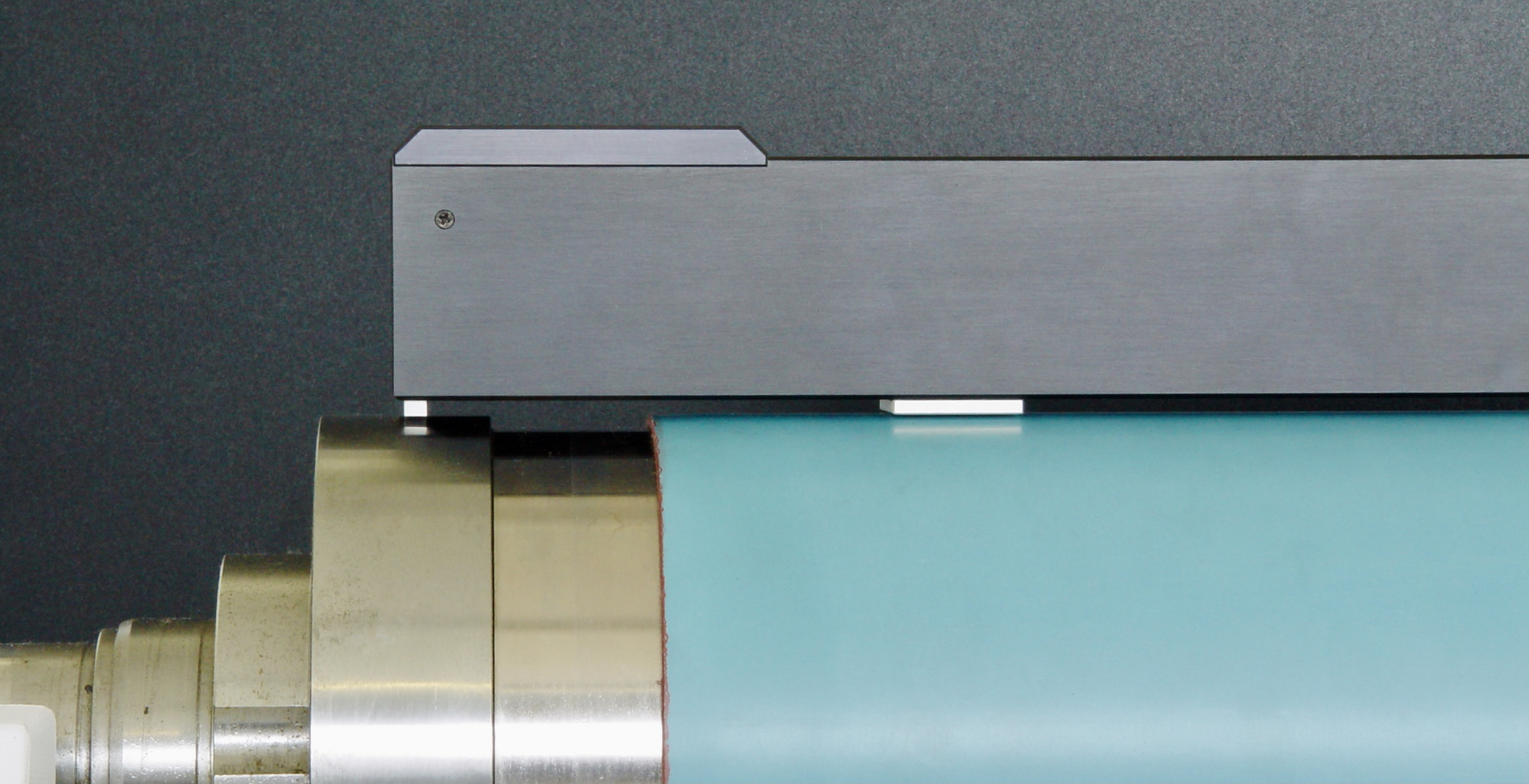
The parallelity and contact between the plate and blanket cylinders are critical for the consistent and stable image transfer. It is advisable to check if all printing units in multicolour presses have comparable pressure. Press mechanics use a highly accurate method to check the cylinder bearings' pressure. However, operators can check cylinder pressure using the well-known thumbprint method. The Gap Control Gauge is very useful for press mechanics and quickly assesses cylinder parallelity.
The same goes for squareness, as blanket conversion from large rolls done by hand sometimes leads to human error. The critical steps in the conversion process include cutting the blanket and fitting an aluminum or steel bar at both ends. Both steps can produce a blanket out of squareness. Blankets that are out of squareness cause uneven tension around the blanket cylinder and internal fit problems in multicolour printing.
For quality control inspections, use a reliable thickness gauge instrument. The E. J. Cady & Company has been making measuring instruments for 128 years, since 1893. They manufacture a range of ASTM and TAPPI-approved analog and digital micrometres. I recommend the dead weight, analog, bench-style micrometre model DWL that allows measurement at the center and the edges of blankets. They also provide a delayed-action mechanism to reduce the speed at which the upper anvil descends. The delayed action mechanism assures any operator of a constant anvil 'strike' pressure each time the micrometre handle is released.
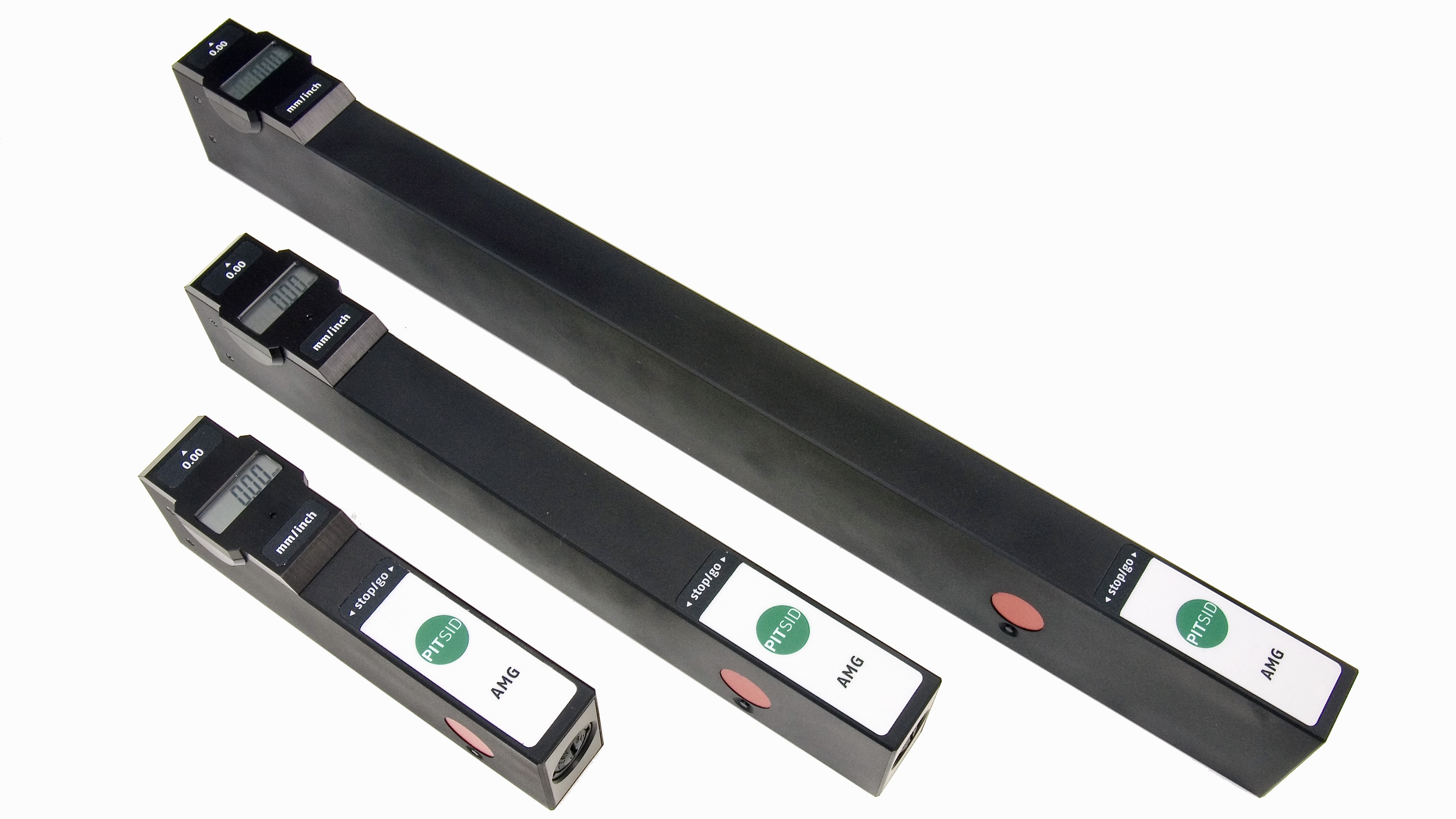
It is essential to have a packing gauge handy to check the blankets' actual height against the cylinder bearers. I have used many packing gauge instruments and realized there isn't a one-size-fits-all instrument. I find the most practical packing gauge system available is from PITSID, Sächsisches Institut für die Druckindustrie GmbH. They have gauges for different cylinder sizes, which is a key for a quick blanket inspection, and they are responsive and easy to use.
Some blankets are more resilient and adaptable to substrate gauge differences, particularly with paperboard substrates. Washing blankets during long production runs is advisable, even if printing is within the quality standard, as accumulated substrate debris tends to pit the blanket surfaces.
A well-designed blanket will bounce back from an event such as smash or surface depression caused by the accidental running of a foreign object or multiple sheets of paper through the impression nip—also, paper line formation.
Remove the affected printing blanket from the press and let it rest flat. Often, the smash recovers. If a smashed affected area remains, patching it will extend the life of the printing blanket. A dry solid can easily indicate the affected area to fix. Make sure to change the underlying paper packing, as it is the first layer that gets damaged by smashes. Cracks on the blanket surface are not fixable.
Avoid packing underlayer sheets to extend or wrap beyond the blanket surface into the cylinder gap. Instead, cut sheets at a slight angle so they feather out within the cylinder chamfer area to allow a smoother rolling-off function under pressure. Printers in Germany use this procedure with great success to avoid ON and OFF impression pressure bumps and streaks.Some mindful tips are worth keeping present for press operators under pressure to stay focused on quality, colour reproduction, and process control tasks.
1—Check the automatic blanket washing systems and don't assume they are fully operational. Although they are reliable press support systems, they often need preventive maintenance. Mechanical or pneumatic issues can easily prevent them from performing as expected.
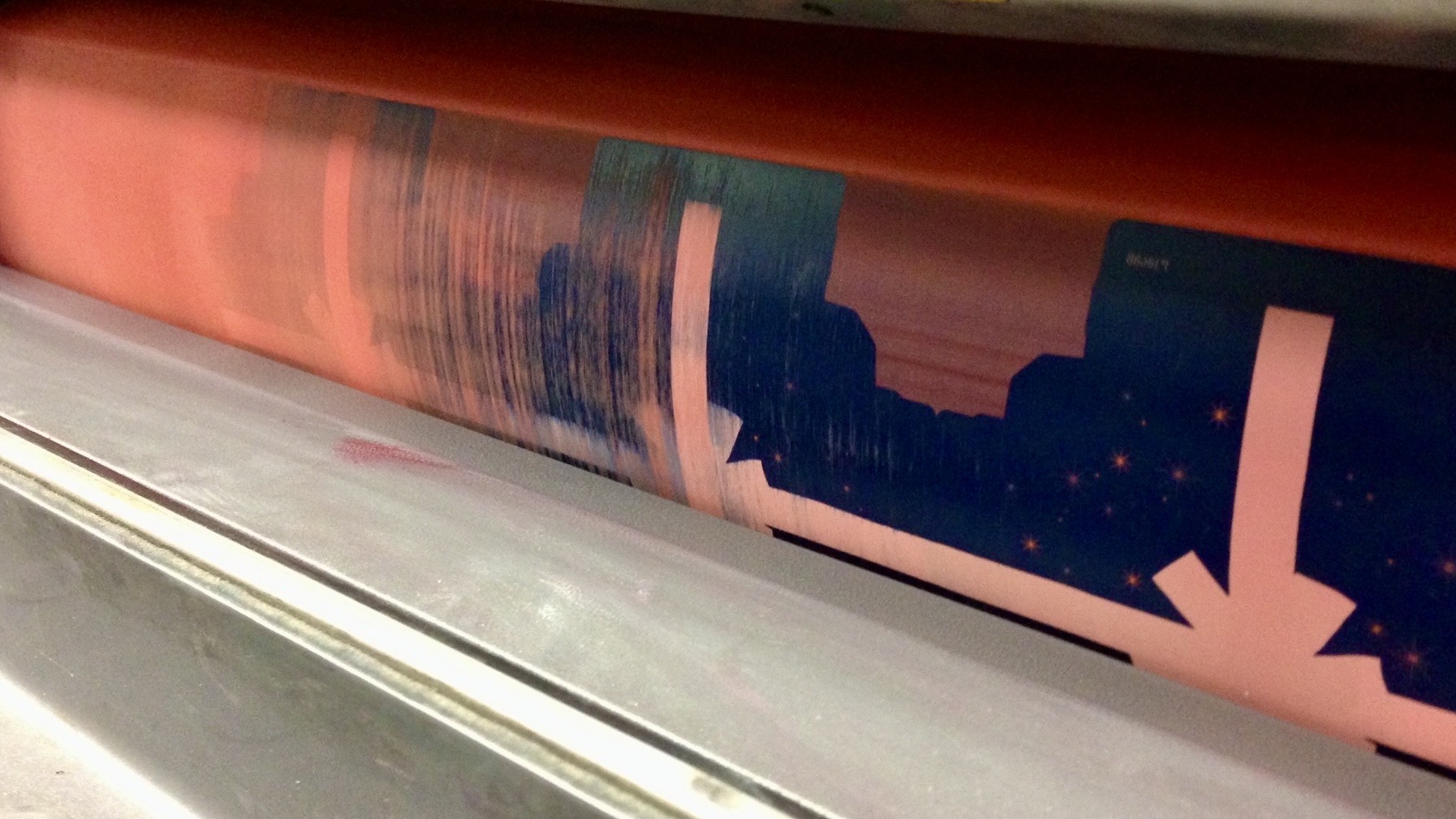
2—Avoid solvents that might swell or damage the blanket surface. Harsh solvents tend to harden the rubber surface, reducing effective ink transferability.
3—Ensure ink build-up is not piling in the back cylinders. Dry ink creates a hard lump, making low spots on the blanket surface, particularly in UV printing. Residual ink spots or picture-frame hardens in impression cylinders. Use scrapers to remove those ink lumps and spots, carefully collect them, and do not let them accumulate inside the press. The most popular scraper used for impression cylinder cleaning is the Stanley 28-500 Razor Blade, which is inexpensive and effective. If safety concerns don't allow using sharp tools at your company, a basic scraper will do the job.
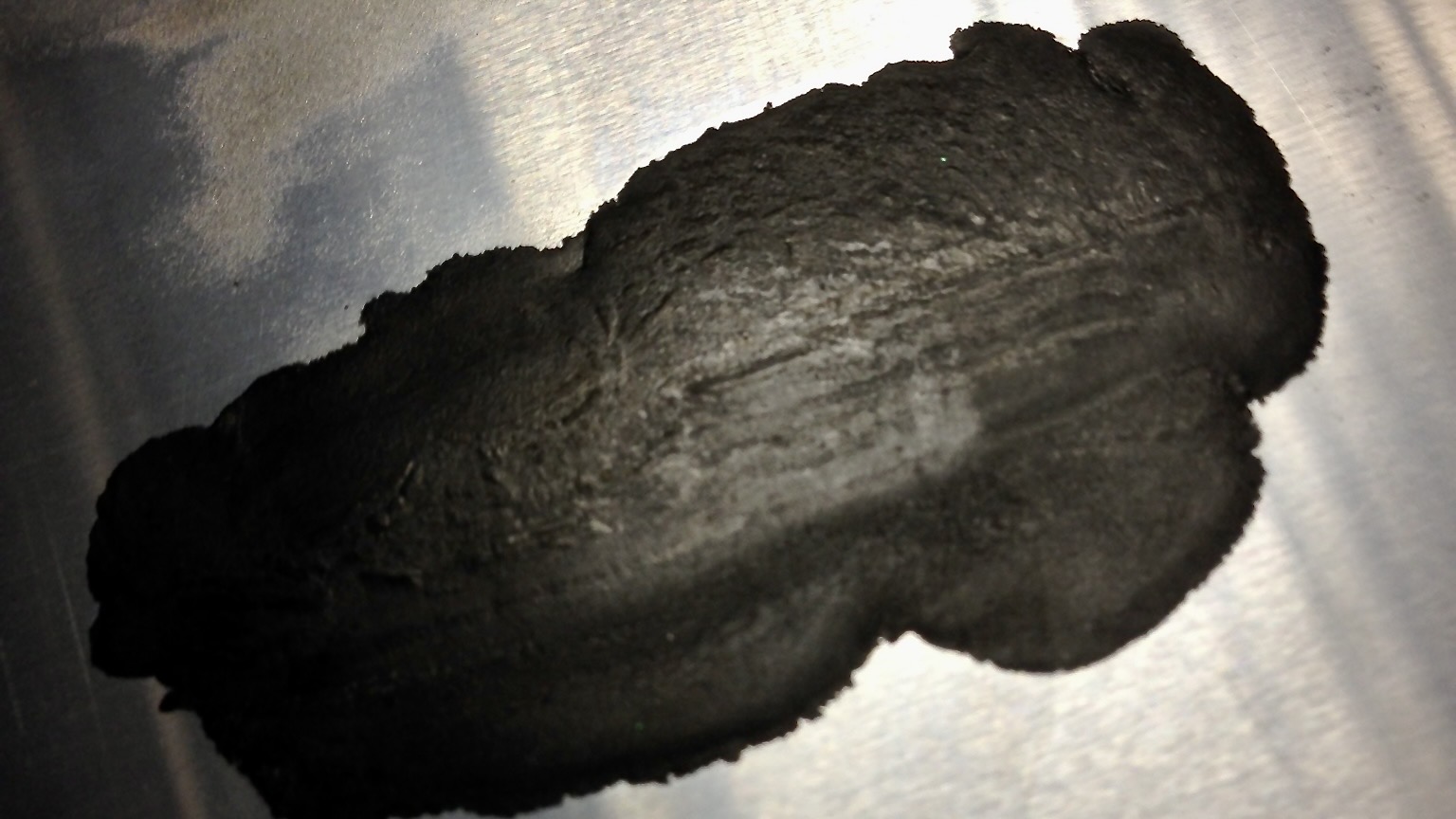
4—Visually check blankets periodically. Often, towards the end of the interdeck UV lamps' life cycle, they tend to get weak at the ends first, making the ink sticky and piling up in the next printing unit. This blanket piling causes the blanket to emboss the surface beyond repair. Set the interdeck UV lamp output to the required curing for the press speed and coverage, not to the maximum. Excessive heat ages blankets.
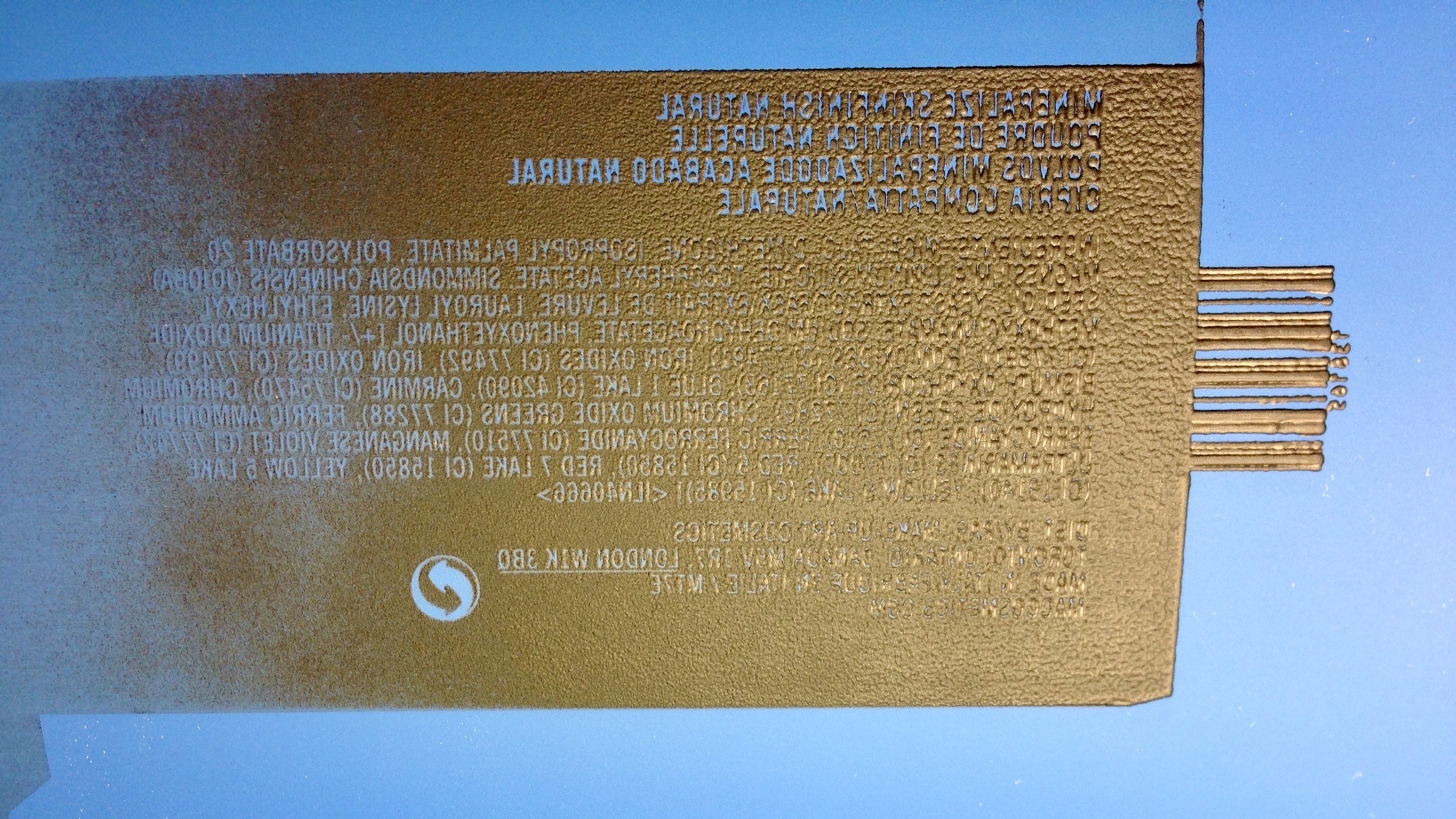
5—Avoid scratching a side-lay on plates by hand. This common bad practice causes blanket surface damage—any burr in the plate surface damages blankets and premature wear or damage on all the rollers that touch the plate. If you have been doing this, demand pre-press to include the side-lay marks on the image template.
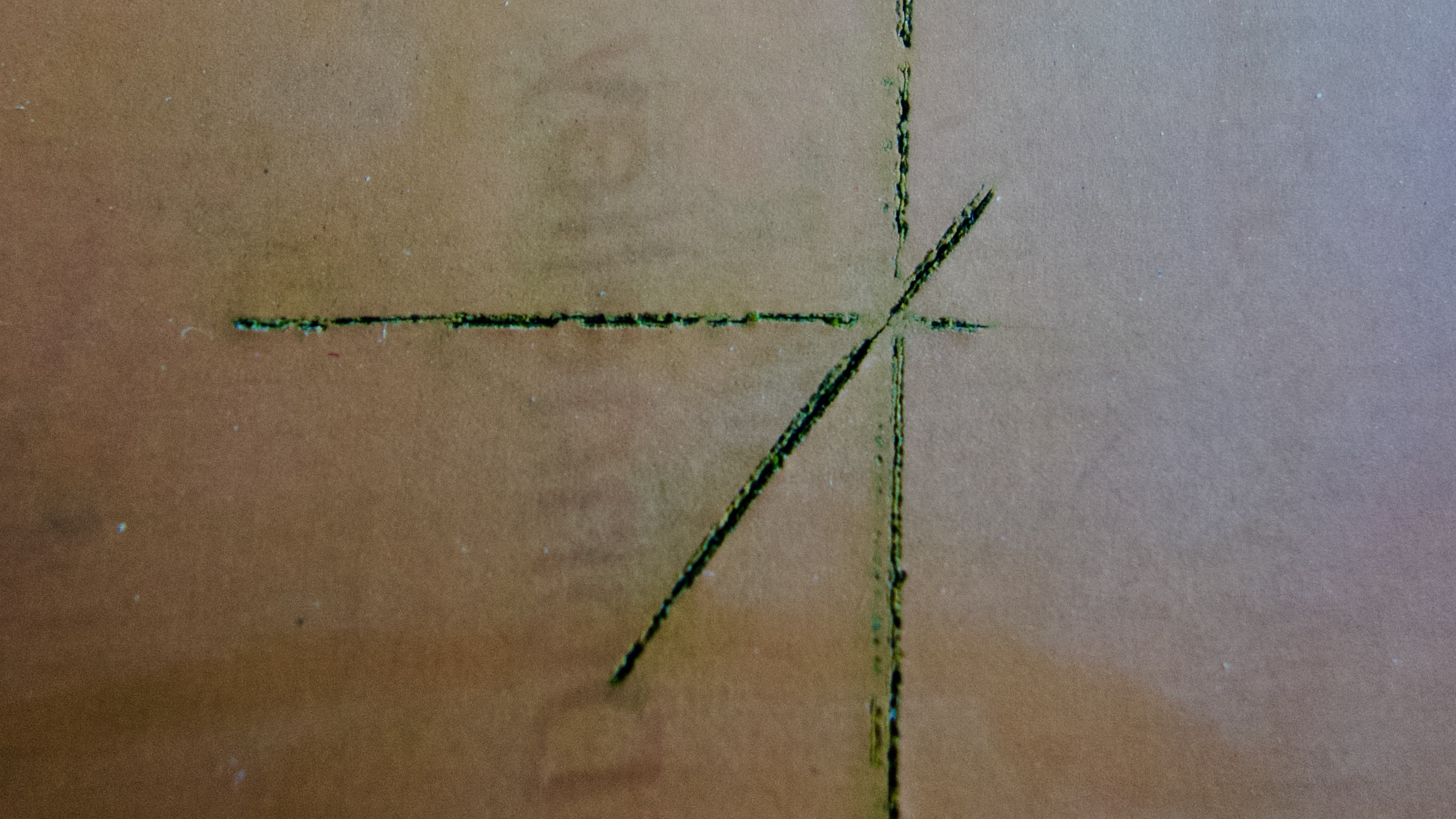
6—Do not overpack the blanket to increase dot gain. Excessive pressure will age the blanket early and cause plate wear across the entire reproduction range. In addition, ON and OFF impression pressure bump-streaks will appear in printed solid areas, and vibrations amplified by the excessive pressure reverberate, creating new ink roller streaks throughout the ink train, including the dampening system. These mechanical interferences ultimately adversely affect printing quality. Also, the packing tends to ripple under the blanket.
7—If the dampening system's water leaks accidentally, make sure to check the blankets' underlay sheets, as they might become wet and damaged.
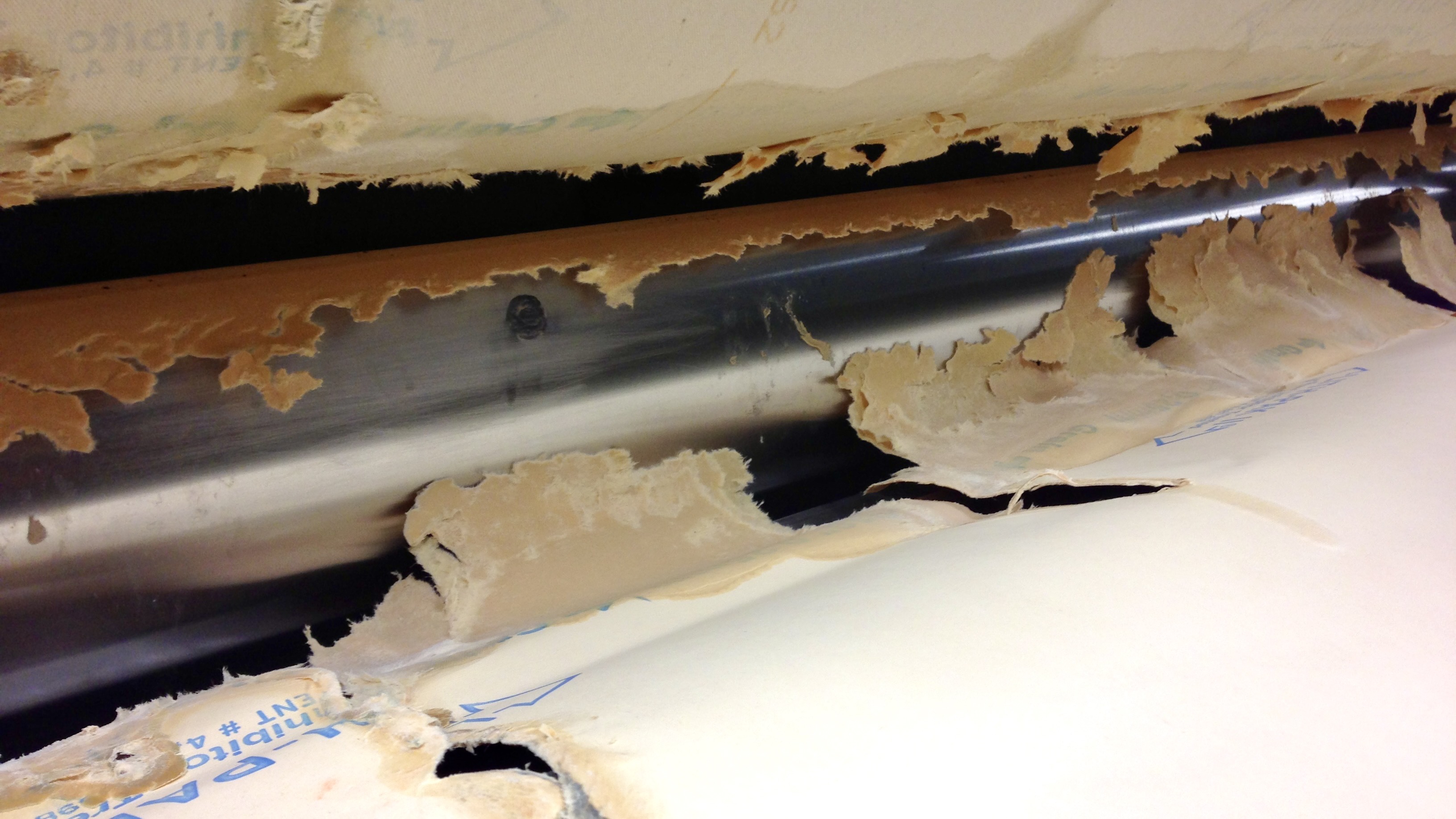
8—Inline colour control systems are part of late-generation high-speed printing presses, such as the Manroland Evolution, Heidelberg Speedmaster CX, and XL. A good blanket, particularly at the front edge, is essential for the accuracy and responsiveness of these systems. The Manroland Sheetfed Evolution InlineColorPilot is recognized as the market leader in inline speed and precision for measuring and controlling colours.
The Manroland Sheetfed Evolution automation module, InlineColorPilot, is part of the latest innovations designed by Manroland Sheetfed to enhance the speed, setup, and maintenance of print quality, regardless of the number of colours used. It enables printers to easily adapt to standardized printing according to ISO 12647-2 during production. Lab values are measured simultaneously, providing an excellent solution for overall quality analysis by ISO standards.
Heidelberger Druckmaschinen flagship Speedmaster CX and XL Prinect Inpress Control are equipped with a comparable system.
To ensure inline scanners' precise reading, the lead printing edge must be immaculate and spotless, and the blankets should be rolled forward by at least five millimetres daily at the beginning of each shift. This provides a fresh, printable edge. If this step is overlooked, these automated systems may not respond accurately due to blanket wear disrupting the established balance of ink and water. Changing the blanket underlay sheets at least once a week is also advisable, especially during 24-hour operations. Over time, these sheets can flatten out, resulting in lost gauge and printing pressure specifications between the plate and the blanket cylinder.
The Finito blanket system combines two main advantages against traditional practices. One is an improved reproduction quality, and the second helps reduce the downtime of the blanket change procedures. The under-packing from Finito increases the resistance to mechanical stress, provides improved dimensional stability to the blanket, and offers a more reliable reproduction range from excellent fine screening to smooth solid reproduction. The revolutionary Finito under-packing solution with a shore hardness of 86 replaces conventional calibrated papers with a new, longer-lasting thermoplastic polyurethane material. And it reduces more than 50% of the downtime for blanket replacement procedures. If you wish to learn more about the Finito Blankets system at printgraph-group.com, contact my friend Massimiliano Belardinelli directly at +339 7080894.
Over several years, Jan has accumulated extensive hands-on experience in process optimization, waste reduction, and operator training. He is experienced and understands security, packaging, and commercial printing, having worked across the Americas, Europe, and the UAE. Bilingual in English and Spanish, he is also a certified G7® Expert.
This article, originally published in English and Spanish, and some passages in German, is intended for owners, directors, managers, technicians, press operators, and anyone directly involved in the graphic arts industry interested in process optimization, quality improvement, and waste reduction.
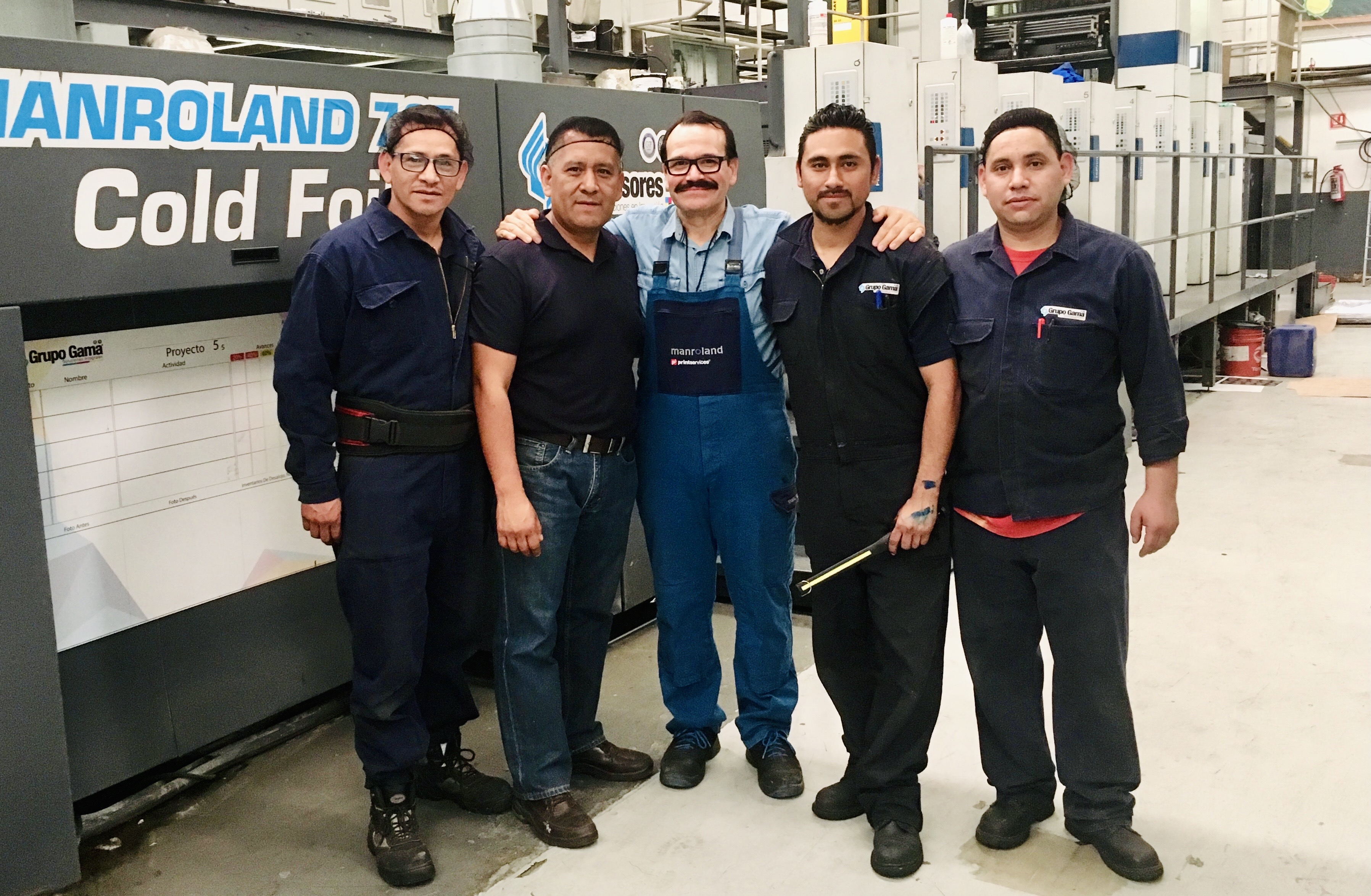
Posing with the maintenance team members at Grupo Gama Impresores, March 2018, Iztacalco, Mexico.




Login
New User? Signup
Reset Password
Signup
Existing User? Login here
Login here
Reset Password
Please enter your registered email address. You will recieve a link to reset your password via email.
New User? Signup
Currency Exchange Graph