As inkjet systems continue to make inroads into commercial printing, the debate between inkjet printhead refurbishment and replacement models has become a hot topic. Both approaches have their merits, so how do you know which is right for your business?
Understanding the Models
The replacement model relies on disposable inkjet printheads and is the de facto model for vendors of drop on demand (DOD) systems. When a printhead reaches the end of its life or performance declines, it is discarded and replaced with a new one, just like on home desktop printers. This approach is straightforward and ensures consistent print quality, but it comes with significant environmental and economic costs.
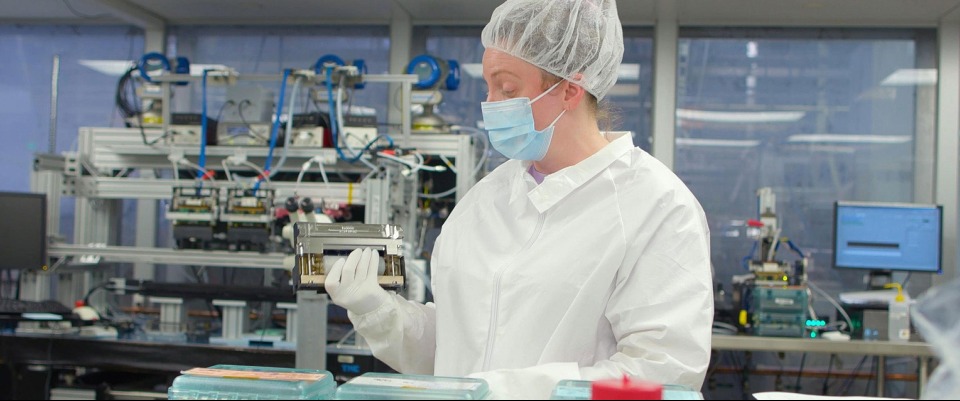
On the other hand, the refurbishment model, most frequently used with continuous inkjet (CIJ) systems like KODAK Stream or ULTRASTREAM Inkjet Technology, involves cleaning, repairing, and reusing industrial grade printheads. Instead of discarding a printhead, it is sent back to the manufacturer for refurbishment. This model provides end users the means to control uptime and print quality. It can also protect a business's inkjet system investment by ensuring consistent updates to hardware and firmware each time a printhead is returned for refurbishment.
Sustainability Benefits of Refurbishment
One of the most compelling advantages of the refurbishment model is its sustainability. By refurbishing printheads, the industry can significantly reduce the amount of electronic waste generated. Disposable printheads contribute to the growing problem of e-waste, which poses serious environmental hazards. Refurbishment helps mitigate this issue by keeping printheads out of landfills and reducing the demand for new raw materials.
Moreover, the refurbishment process itself is often more energy-efficient than manufacturing new printheads. This means that the overall carbon footprint of the printing process is reduced, contributing to a greener industry.
Incentives for Better Maintenance
Another key advantage of the refurbishment model is that it encourages customers to take better care of their inkjet systems. For example, Kodak provides training and tools that enable the end user to diagnose and recover common printhead faults. This not only extends the life of the printheads but also ensures consistent print quality and reduces the likelihood of unexpected breakdowns.
In contrast, the replacement model can lead to a more disposable mindset, where customers may neglect maintenance, knowing that they can simply replace the printhead when it fails. This can result in higher long-term costs and more frequent disruptions.
Economic Considerations
The cost to refurbish a CIJ printhead is often similar to the cost of replacing a piezo based DOD printhead, however, users can see substantial long-term savings with the refurbishment model. Refurbished printheads can be used multiple times, reducing the need for frequent replacements. This leads to lower operational costs and a more predictable budget for print service providers.
Additionally, the refurbishment model supports a circular economy, where resources are reused and recycled. This not only benefits the environment but also creates new business opportunities and jobs in the refurbishment and recycling sectors.





Login
New User? Signup
Reset Password
Signup
Existing User? Login here
Login here
Reset Password
Please enter your registered email address. You will recieve a link to reset your password via email.
New User? Signup
Currency Exchange Graph