
Coal was an essential industry in the UK then; in 1926, more than a million coal workers went on strike. What started among coal workers grew to a general strike. Printing, gas, electricity, building, iron, steel, chemical, bus, rail, and dock workers went on strike in solidarity. The strike was to prevent a salary decrease of 13%.
The labor conditions and the political system were entirely different from today. The government feared communism and a growing recession.
It was on this backdrop Queen Elizabeth II was born.
From Elizabeth was born till her death 96 years later, technology, business, communication, health, political systems, etc., has developed so much that it's almost incomprehensible.
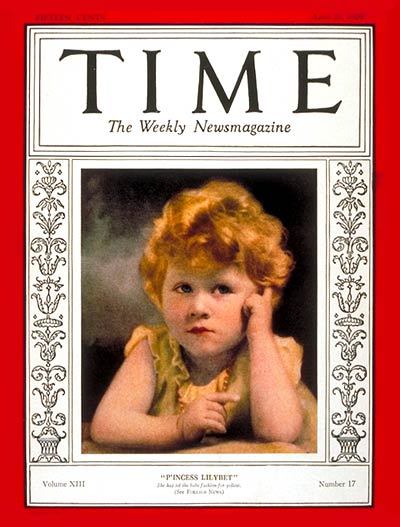
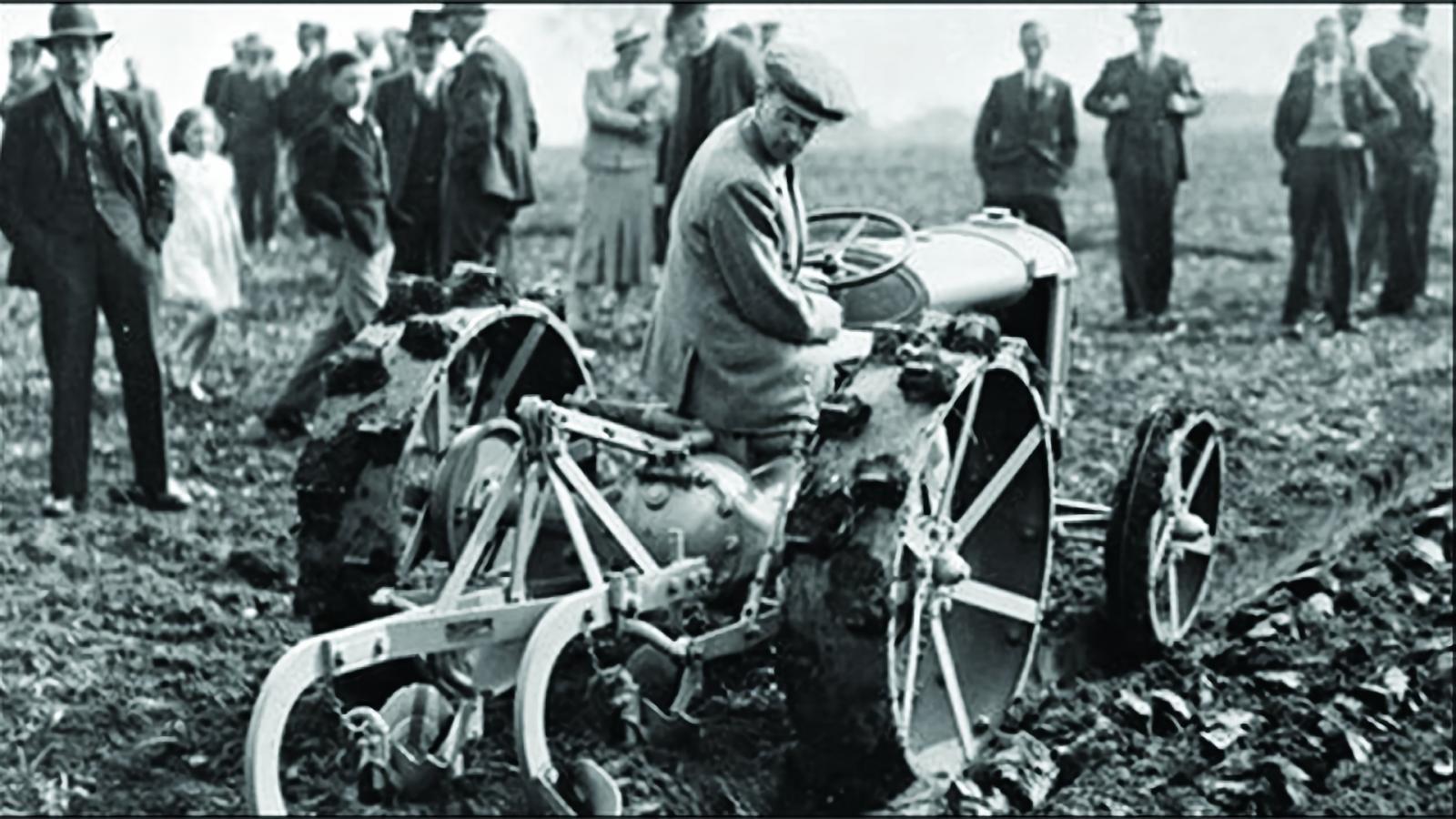
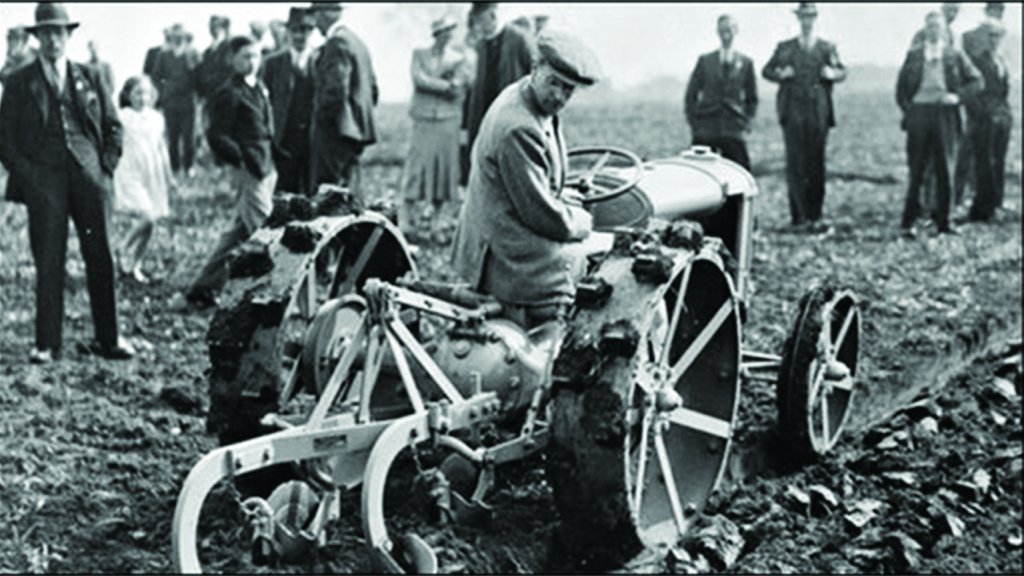
As I wrote last week, we are going back to the moon. Rockets and space continue to amaze us, and we consider this groundbreaking. But already in 1926, Robert Goddard from Massachusets launched the first (small) rockets based on liquid fuel. Also, in 1926, M. John Baird demonstrated a machine that could wirelessly transmit moving pictures (also known as films) for the very first time. He decided to call the device a Televisor - isn't it amazing? Albert Einstein and Leo Szilard invent the Einstein Refrigerator; a final note is two inventions that have changed the world immensely. Harry Ferguson invented the Double Plow (the same guy with the tractors), and Andreas Stihl developed the electric chainsaw - and yes, that name is still significant.
We think of our societies today as being so smart, so innovative, and if we look back, many of the companies we take for granted today were the smart, innovative disruptors back in 1926.
And of course, the printing industry also had some milestones in 1926. In the '20s, one of the most popular printing presses was the Heidelberg Tiegel, and think of this. Heidelberger Druckmaschinen produced 100 every month, and in 1926 Heidelberger Druckmaschinen became the first German press manufacturer to introduce assembly-line production.
Though most of the presses used in 1926 (but there were MANY printing companies) were simple compared to today, the '20s were interesting. Komori introduced a roll-based lithography machine in 1925, and many of the companies we today know as big brands were founded in the '20s.
But isn't it amazing to think that a pop composer in 1926 continues to be used in recent films proving that good music never dies?
As mentioned earlier, the UK was an entirely different country in 1926, with extreme differences in income, working and living conditions, and political extremes making time vulnerable for many people.
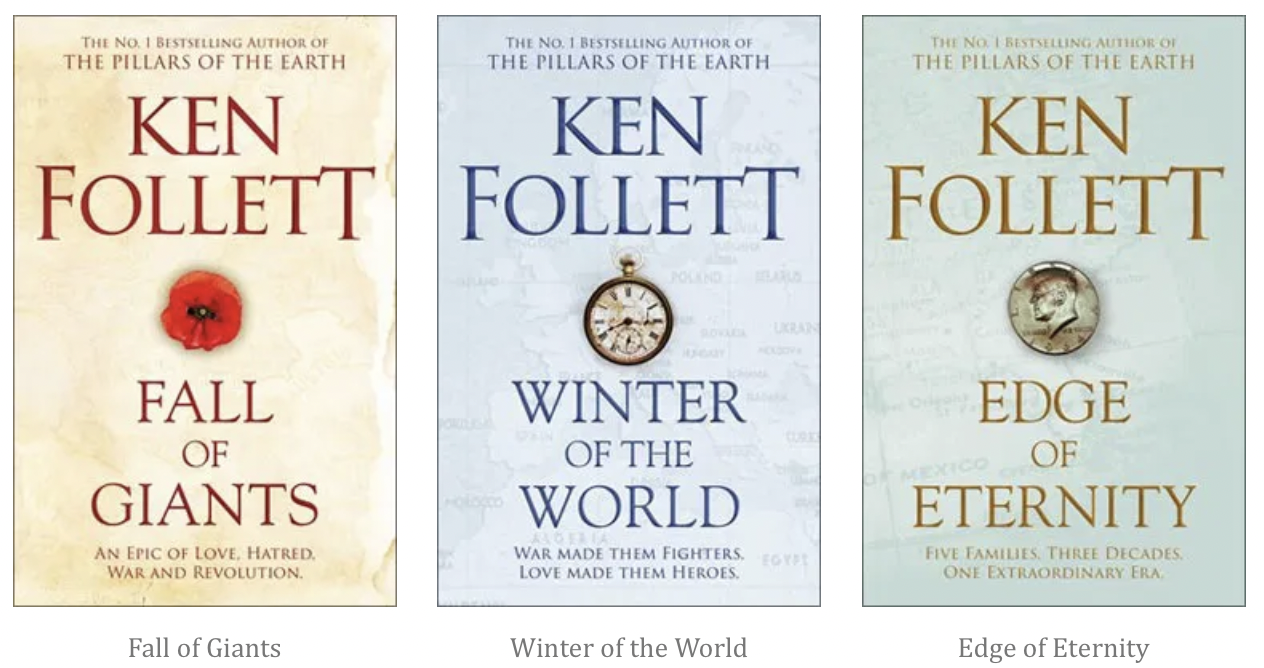
And all this was just the beginning of Queen Elizabeth's life, where she would experience wars, terrorism, and technological advantages beyond comprehension; and ending her life with deep respect from her people and gratitude for the constant she has been.
Have a wonderful Sunday, and see you soon!




Login
New User? Signup
Reset Password
Signup
Existing User? Login here
Login here
Reset Password
Please enter your registered email address. You will recieve a link to reset your password via email.
New User? Signup
Currency Exchange Graph