By Editor Jean Lloyd
Over the past 18 years, I’ve had the opportunity to work closely with inkjet printheads and witness their evolution across a wide range of applications. While manufacturers have always been eager to suggest new uses, I’ve consistently found that the best ideas come from the customers. Listening to what they want to achieve and understanding why they invest in printhead technology has always inspired me.
But today, the question is: Where do Printheads and Print Bars increasingly fit into the workflow of the modern printer?
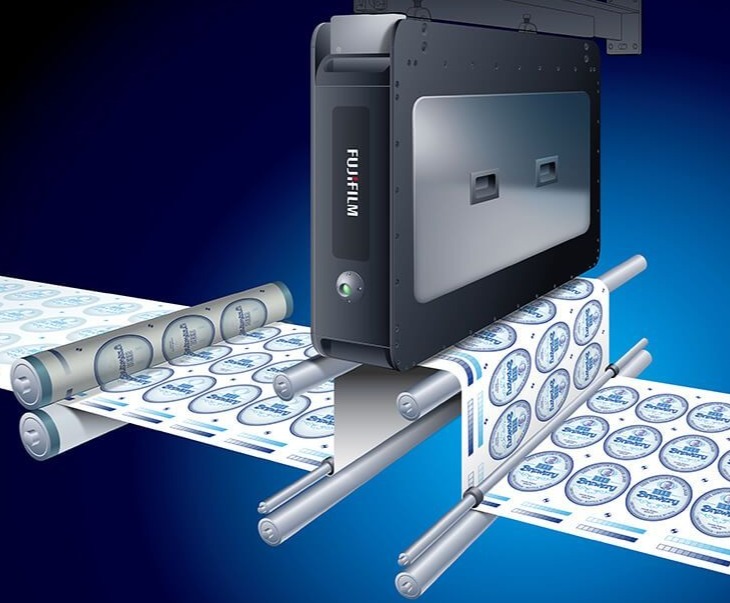
The arrival of the Print Bar essentially means that multiple printheads are seamlessly stitched together across the width of a sheet, which marks what could be a new chapter in both commercial and packaging print.
Traditionally, inkjet printheads were used in the commercial sector to eliminate steps in the production process. By integrating inkjet printheads into a press or folding line, printers could add variable data like names, addresses, or numbering, removing the need for slower, secondary processes like mono toner devices.
In the early 2000s, we saw printheads mounted on the web and even offset sheetfed presses, particularly in the direct mail space. However, as direct mail volumes declined due to new legislation in Europe, and the evolution of high-quality digital presses emerged, the market shifted. These all-in-one systems offering simplified workflows reduced the need for bolt-on printhead solutions.
Now, however, we're seeing renewed interest in modular inkjet solutions, especially with the development of the mono and colour Print Bar. These enable the relatively simple integration of digital imaging onto offset presses ranging from widths between 200mm and 1.2 meters.
They allow for precision and adaptability. Mono, certainly, but the greatest impact will come as colour systems continue to evolve.
Within a single workflow, a Print Bar can be instructed to print specific content anywhere across the sheet without mechanical repositioning. In contrast, a traditional single printhead must often be physically moved along a rail to hit the right spot.
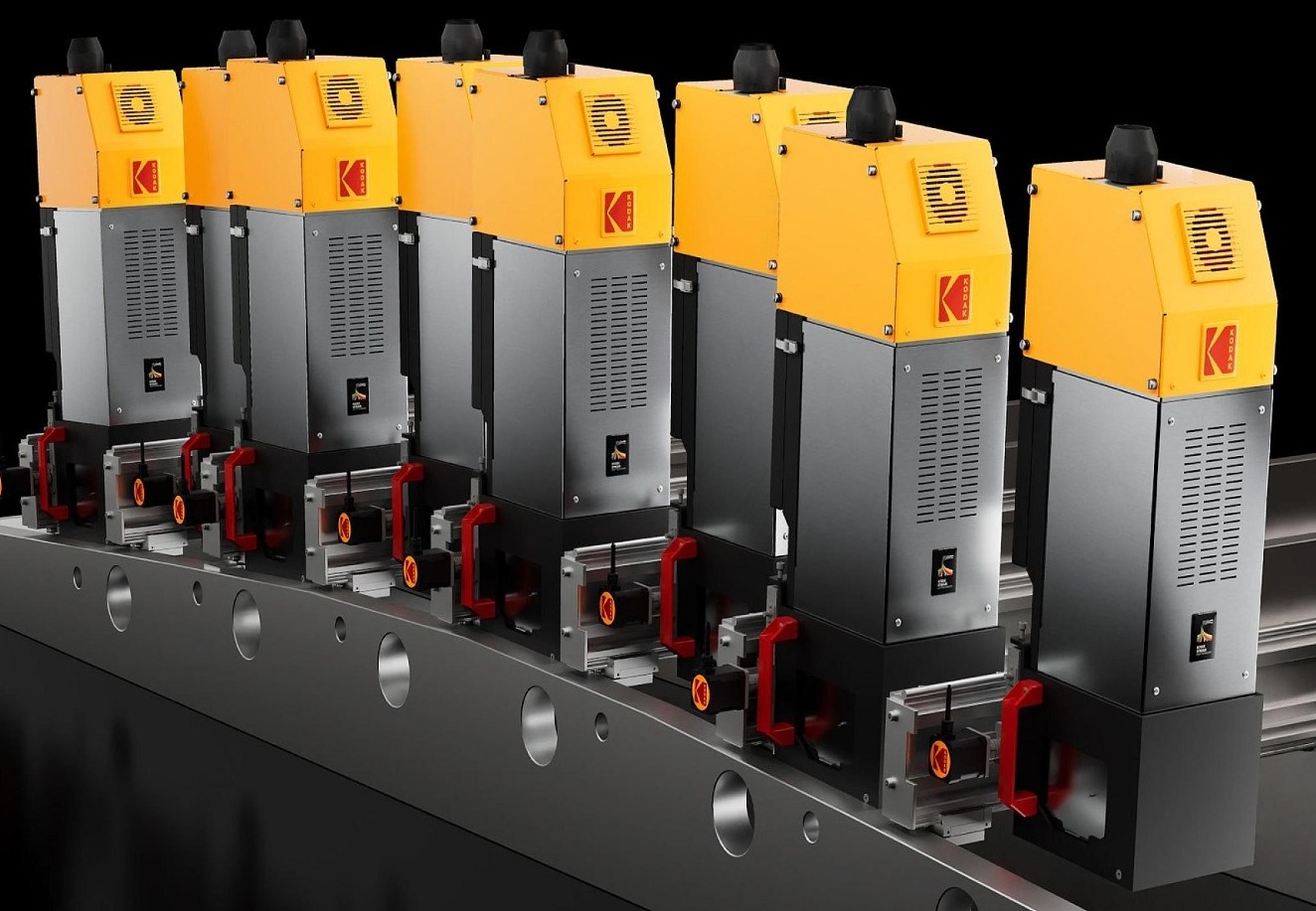
The aim of printhead components is to add colour to a static piece. Today's main challenge with a colour hybrid system is achieving commercial colour quality. Inkjet presses now use advanced cameras and sensors to manage registration, missing jets, density, and sheet distortion capabilities that are hard to integrate into third-party transports. It’ll be interesting to see how this evolves, but I will let the manufacturers answer this question.




Login
New User? Signup
Reset Password
Signup
Existing User? Login here
Login here
Reset Password
Please enter your registered email address. You will recieve a link to reset your password via email.
New User? Signup
Currency Exchange Graph