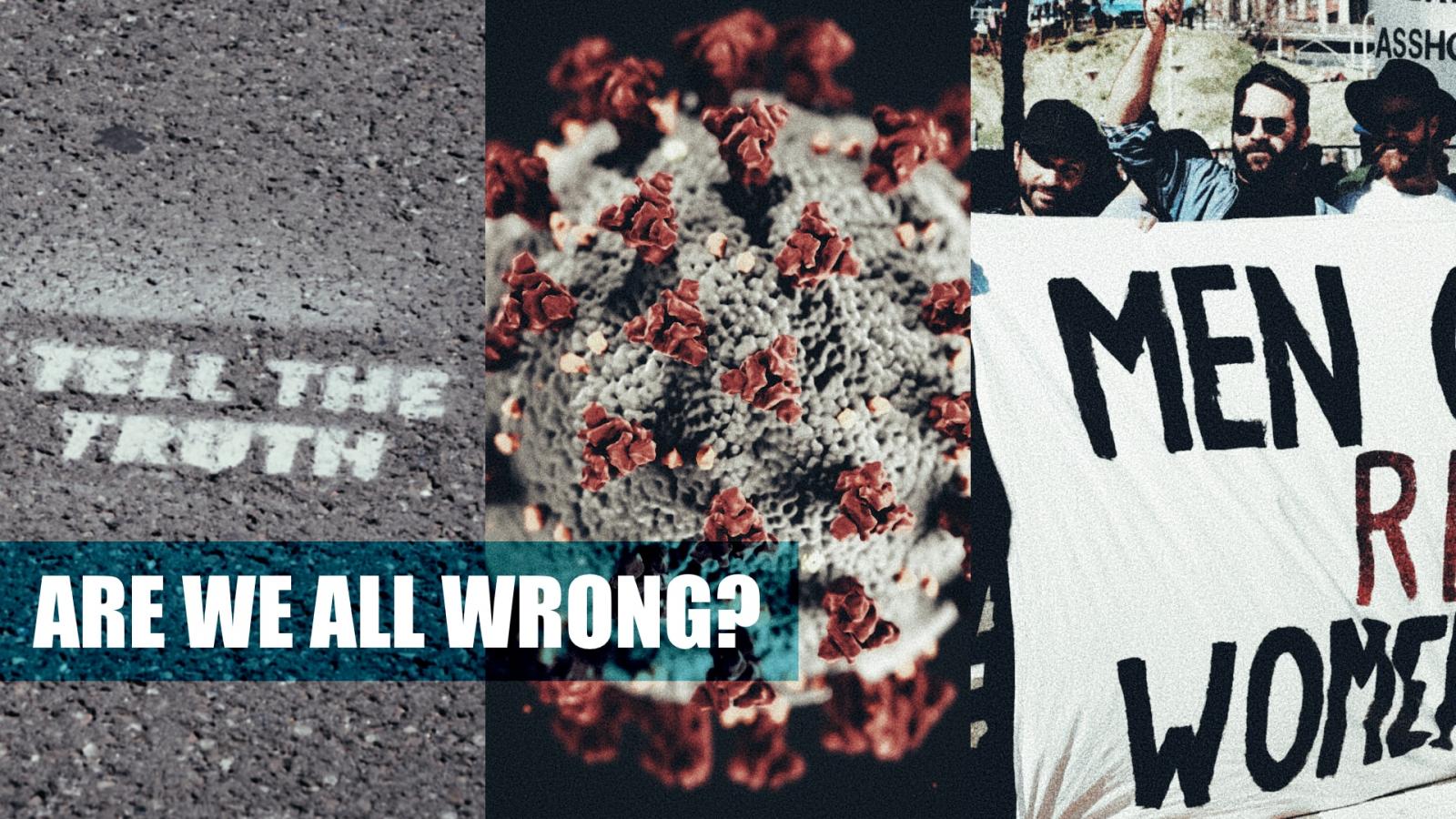
 By Editor Morten B. Reitoft
This weekend, I got three wake-up calls. I got one from a PSP, one from Deborah Corn. The one about gender equality I have decided to delete - it’s apparently impossible to discuss this topic -
It’s too biased and won’t bring anything good forward - sorry! Finally I got a wake-up call from and a podcast I listened to this morning. Let's start with the latter. The podcast's title translates into "The World will be the same, just worse." The host, Lone Frank, talks to the Anthropologist Kristoffer Albris, who researches catastrophes. A topic that I find interesting as the research intends to learn from previous disasters and how people react and how the world develops afterward.
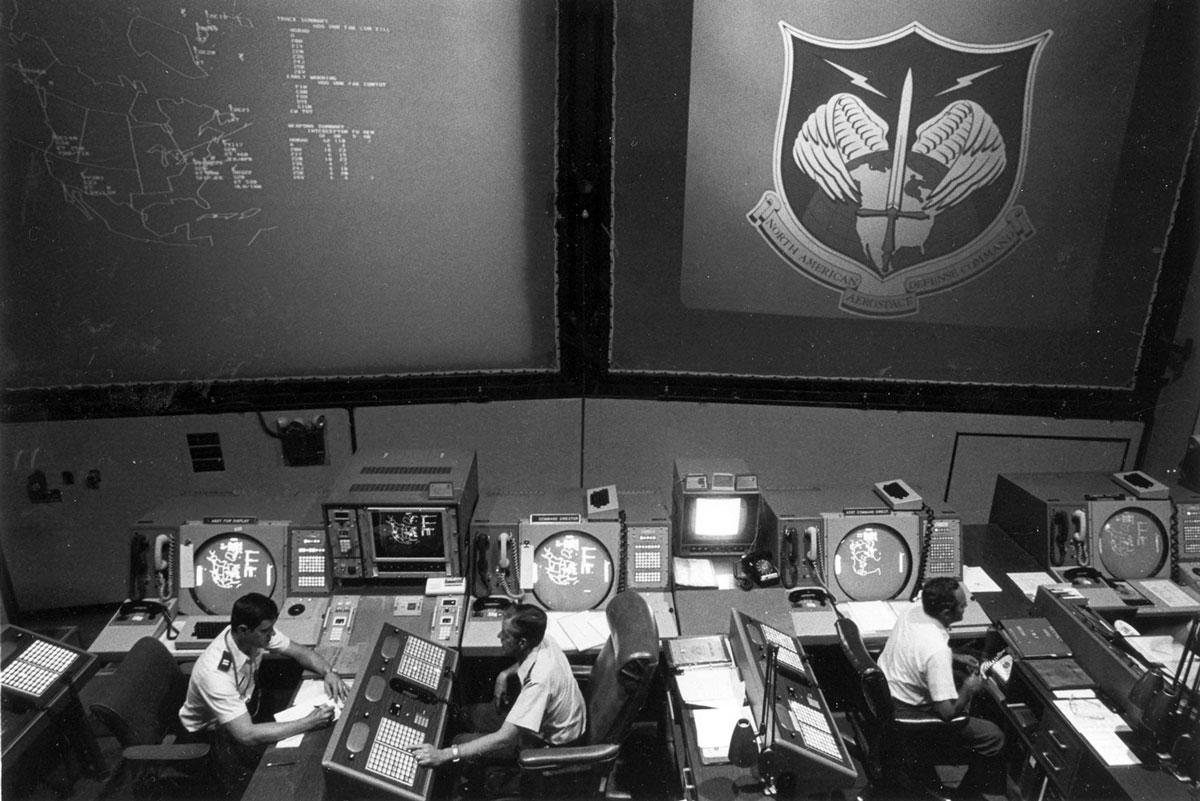
The podcast starts by defining what a disaster is. A disaster is when something unplanned occurs with enormous consequences financially, material, infrastructure, environmentally, health, etc. He gives an example that an earthquake in a rural area won't be called a disaster if it doesn't influence the above measures. So when studying disasters, it's to learn how to manage the situation during and after. One of the claims was that most people are more supportive of each other during wars and disasters when people need to stand together. The first disaster studies started after a massive earthquake in Lisabon in the 18th century and developed as a research field with more funding in the years that passed from then. The escalation came in America in the '70s and '80s, when the Americans wanted to learn how people would react if the Soviet Union attacked the US with nuclear weapons!
So why is this at all interesting? First of all, we are on our way out of a pandemic that, by all means, is and has been a catastrophe. The consequence of the pandemic is vast. People have lost money and jobs, and millions even died, and in many places globally, democratic freedom rights were limited - in the name of the pandemic. According to Albris, it's expected that many people speculate how massive crises lead to predictions of how societies will change. And guilty as charged, I have predicted quite a few things, from how exhibitions need to change to how the pandemic has fast-forwarded the Digital Transformation - and maybe I and others are entirely wrong?
Again, according to Albris, previous disasters have shown an incredible return to normal after some time - so the catastrophe may not initiate enormous changes in itself - but it can be a catalyst.
That was a wake-up call - and it was one I should have foreseen. When the financial crisis hit the world in 2008-2009, I quite early learned that it maybe wasn't the financial crisis that changed the printing industry the most, but perhaps more the fact that the global internet population reached a milestone which then led to change. So the financial crisis was a catalyst, and if you think of it for a second, why should the COVID-pandemic be any different?
The second wake-up call I got was a message from a PSP. I will not reveal from who in this article, but I am pretty sure that this topic will be discussed openly with that particular PSP in public in the coming time. He wrote that many of the statements on INKISH weren't correct. Of course, I first got very concerned as we always praise ourselves for being unbiased, neutral, and all the things that I believe are important to be seen as credible media. The PSP then elaborated on what he meant and said that he thought consultants, marketing people, and vendor specialists don't know enough of how their technology works in actual printing companies. Software, hardware, etc., and the advantages of the different technologies are entirely misaligned - and that gave me a lot to think about.I have not concluded how I will elaborate on this yet, but why not have a critical view of our films and the articles published on INKISH - questioning the questions and the answers?
Being the editor of an online media like INKISH is something I take very seriously. We use a methodology that has become a valuable tool when we interview people - you can see and read about it here. As you can see on the same link, we subscribe to the seven news criteria. We also don't differentiate in methodology whether a film is sponsored or not. All to keep our promise to you - always on your side. But are we always on your side if we don't question what our featured guests say?I don't think there is only one view on using technology. I have talked to almost 1,700 people during the past seven years, and I have, in numerous interviews, explained how I find it liberating to see how the same technology is utilized so differently from PSP to PSP.
But I will get back soon with an opinion about making our content even better and more relevant and some check on what has been said/disclosed.
Great to be challenged, and we will continue pushing the boundaries - and again, sorry that the I had to remove the wake-up call on gender equality.




Login
New User? Signup
Reset Password
Signup
Existing User? Login here
Login here
Reset Password
Please enter your registered email address. You will recieve a link to reset your password via email.
New User? Signup
Currency Exchange Graph