Loading

By Editor Morten B. Reitoft 

I can't help thinking of drupa 2016 when thinking of Inkjet. Landa had one of the largest booths, and it was a fantastic experience to be there. To see a Benny Landa presentation, you had to register in advance. The registration system printed a plastic card with your details which served as an entrance card for a presentation - and though Landa presented Nanography even at the previous drupa, the crowd was still ecstatic over what could be the next revolution in print. Nano-size was all over, yet nobody realized that competing inkjet devices were also printed using nano-size particles. Landa even said, "who dares to invest in Inkjet with Nanography around the corner?"

However, this statement almost became a Damocles sword over Landa as this kickstarted an inkjet movement practically impossible to imagine. Landa promised offset quality (on both coated and uncoated paper) to lower prices than Inkjet. Comparing the sheets shown in the hermetically closed glass montres, almost all other inkjet print samples looked nothing even close. Benny Landa has a nose for the needs in the market and a significant power to convince the crowds what to expect. And he was 100% right; the only problem was that HP, Ricoh, Konica-Minolta, and Canon didn't want to easily give up this potentially lucrative market.

And lucrative it is. The megatrends showed to be more than right - time to market, shorter print run, quality, variable data - all pointed towards a digital future, and not only a future replacing toner, but taking on the all-mighty offset market. Commercial print, packaging, labels, flexible, almost every segment in the market is suitable for Inkjet.

The pandemic fast-forwarded all the needs. If Digital Transformation was a dream of the future, the future is NOW.

The challenge is, as always, quality, speed, drying, and media diversity. Today quality is a given. The combination of highly effective print heads, controllers, and inks, makes the inkjet printers viable alternatives to offset machines, and PSPs worldwide have realized this. Change is a constant!

A few weeks ago, I went to Venlo in The Netherlands to visit Canon's R&D lab. With more than 3,000 people working in R&D, production, and even ink production, the resources invested in Inkjet underscore the seriousness with which the prominent vendors take on the task.
Every vendor has different approaches and addresses different markets. However, the faster go-to-market strategy seems to be buying print heads from companies like Fujifilm, Ricoh, Kyocera, Seiko, Epson and then optimizing controllers and inks to the market/application. This also put things in perspective when looking at, i.e., the Fujifilm Samba print heads used by BOBST Mouvent, the once Heidelberg Primefire, Gallus Labelfire, Landa, Koenig & Bauer Durst, and probably many more. One of the most recognized machines is Fujifilm's 720/750. Of course, they use the Samba print heads, and there is no question that it can deliver the right quality.

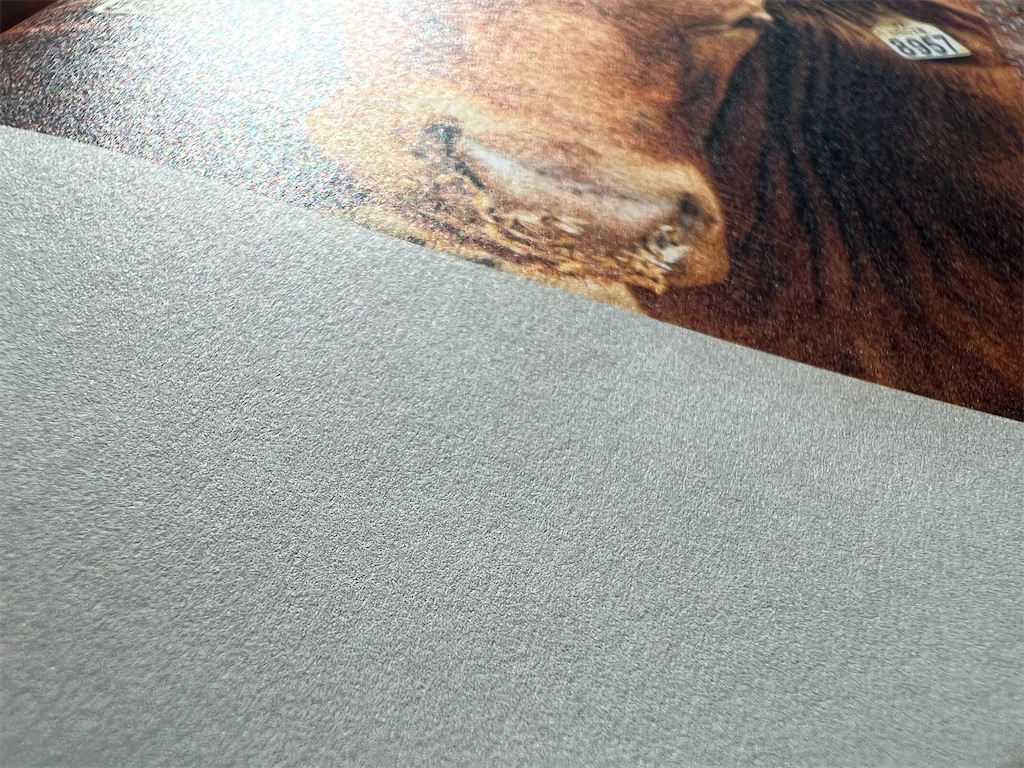
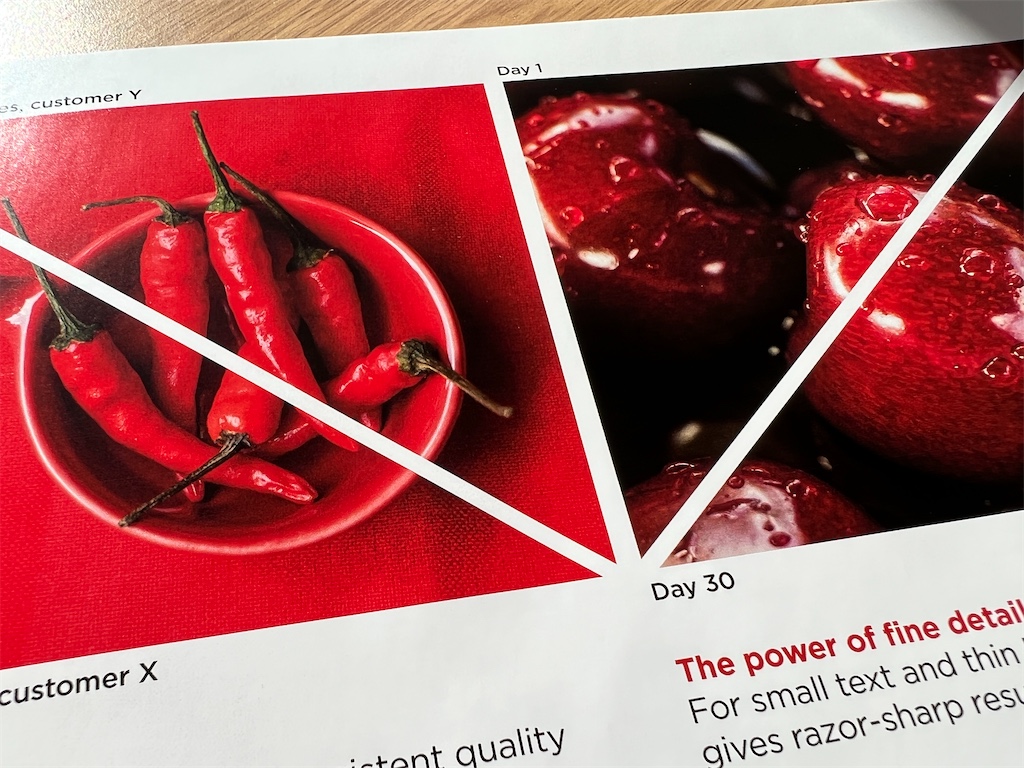
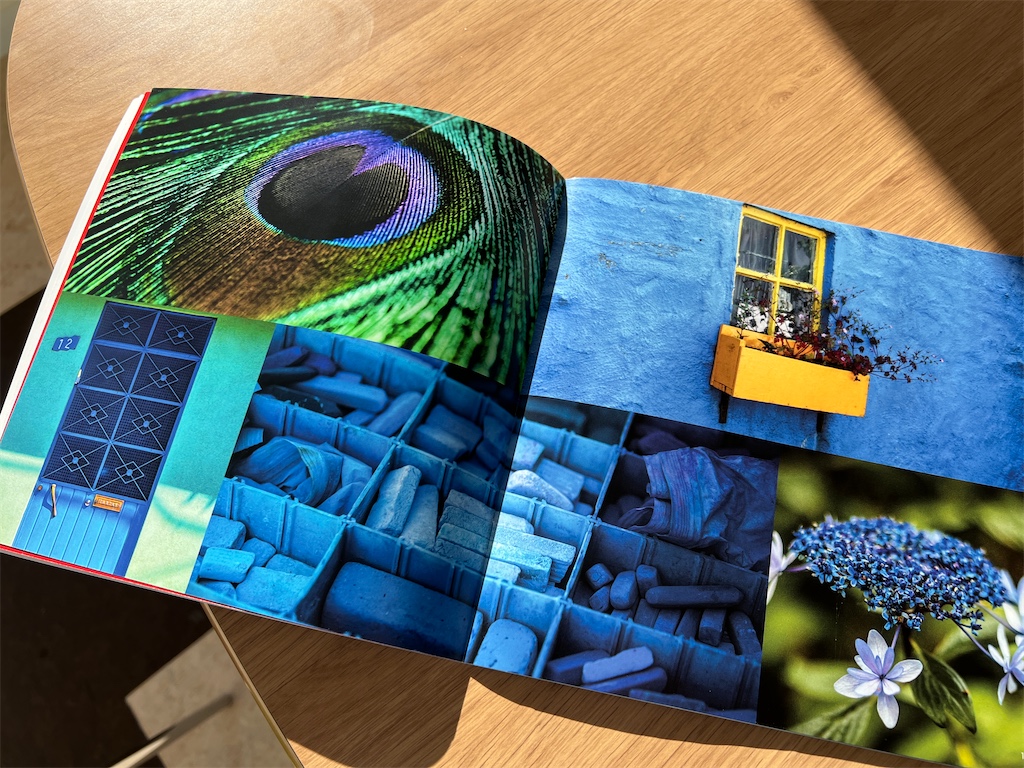
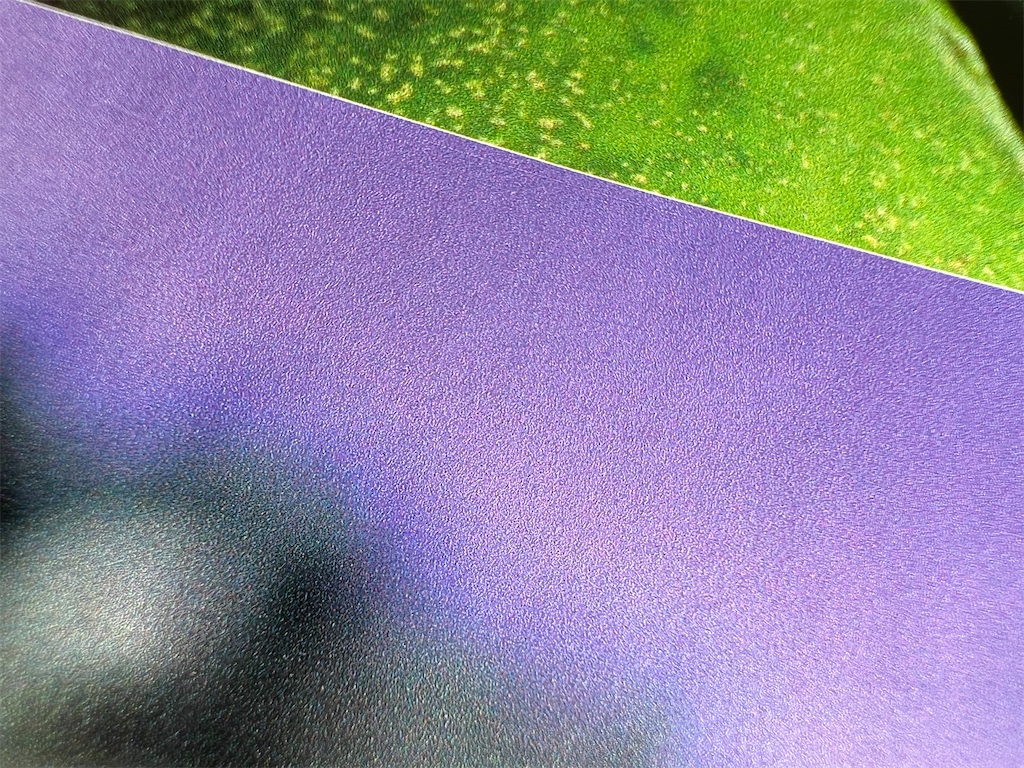
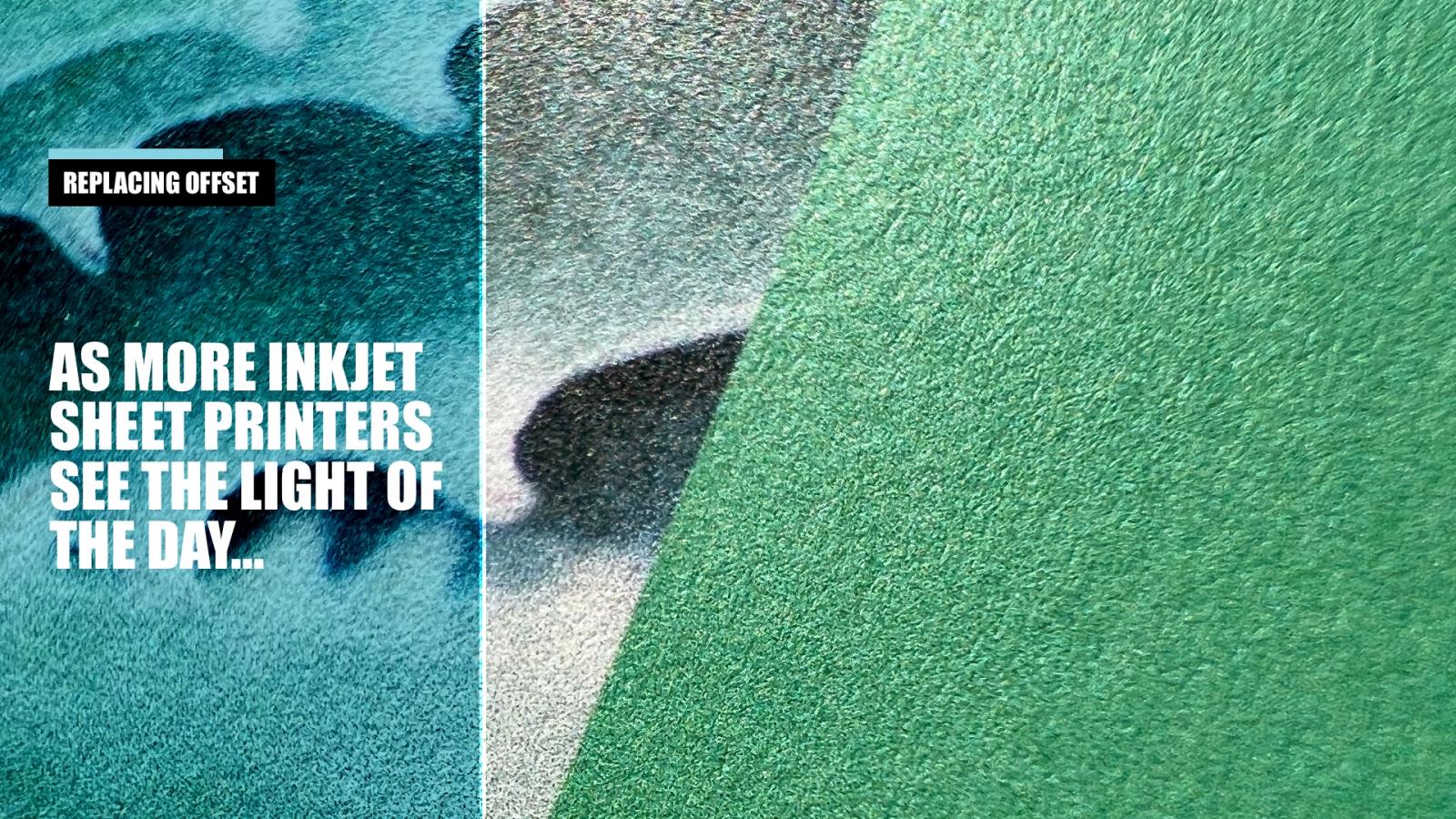
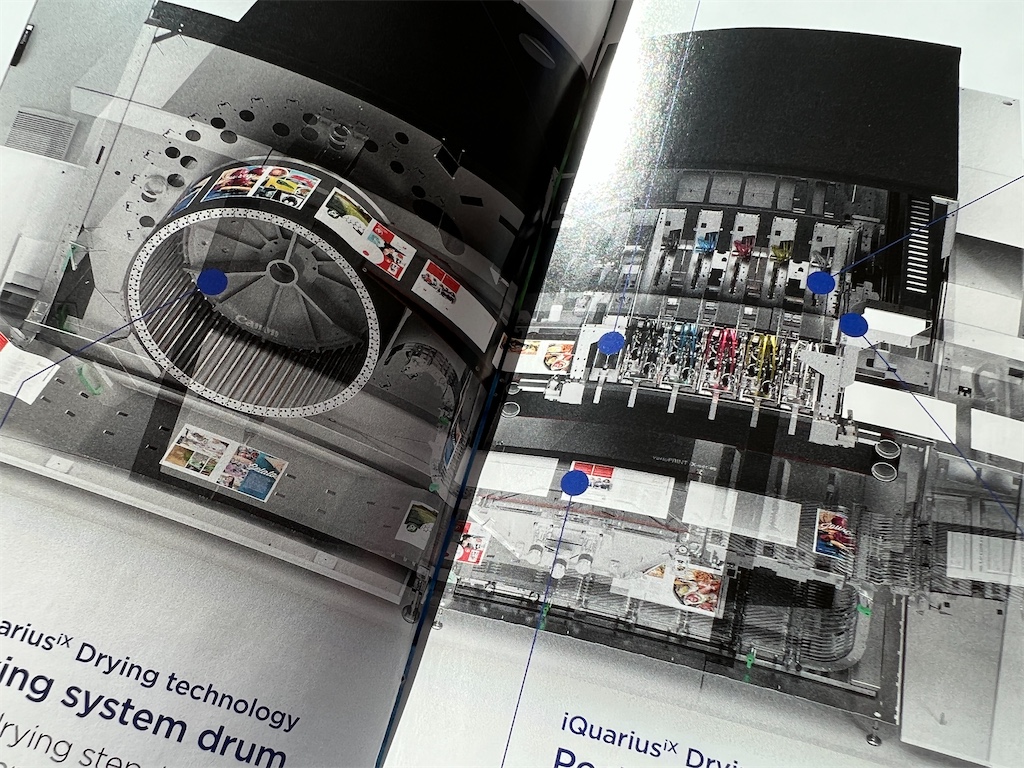
As you can see from the images included in this article, the quality is absolutely on a level with offset and toner, sometimes exceeding the craziest expectations and with a level of consistency matching all your expectations - or at least that is what you can expect from most of the machines in the market. The Belgian specialist Eddy Hagen has been more skeptical of the consistency and quality of the Landa machines and has measured and compared sheets. Unfortunately, as far as I've seen, Landa has not addressed these statements and shows a new tendency that will make the change from analog to digital more difficult. What should you trust? And what are the consequences if you make the wrong decision? First of all, you will tie a lot of money to an investment that can't deliver - and secondly, you will be more skeptical of future technologies.

Investing in Inkjet is different from offset since the entire operational cost is tight to the vendor you choose. Most inkjet vendors use the so-called Gilette model, selling the hardware at a price but mainly profiting from the consumables and service. Be aware that the cost of consumables can change a lot over time, and you can't pick your ink suppliers like with offset.

The time is, however, right. The quality is, by all means, fantastic, and more of the vendors are developing new and even more innovative print heads for future equipment, promising the transition to be even more interesting. Smaller print heads, more colors to extend the gamut, faster, more innovative inks, and a higher media diversity are among the things I feel comfortable suggesting soon.

And no - you will not meet the machines the first time at a trade show! You will meet the machines in the many experience centers worldwide, not when an event takes place but when the vendor is ready to deliver. You will also see devices that target specific applications and segments. I am confident that you will also see the next generations of the "Kyocera's" with a more comprehensive media diversity and machines for folding cartons, corrugated, and other concrete applications! You will also see many custom-made solutions where you buy the print heads and utilize these in existing equipment, building entirely new solutions dedicated to your customer's specific needs.

Isn't this just exciting?

Examples from iX-Series

Click on the images to see bigger sizes! Photographed from a printed brochure using iPhone 13+


Quite amazing print quality on both coated and uncoated substrates!

Add/View comments for this article →


Comments
user