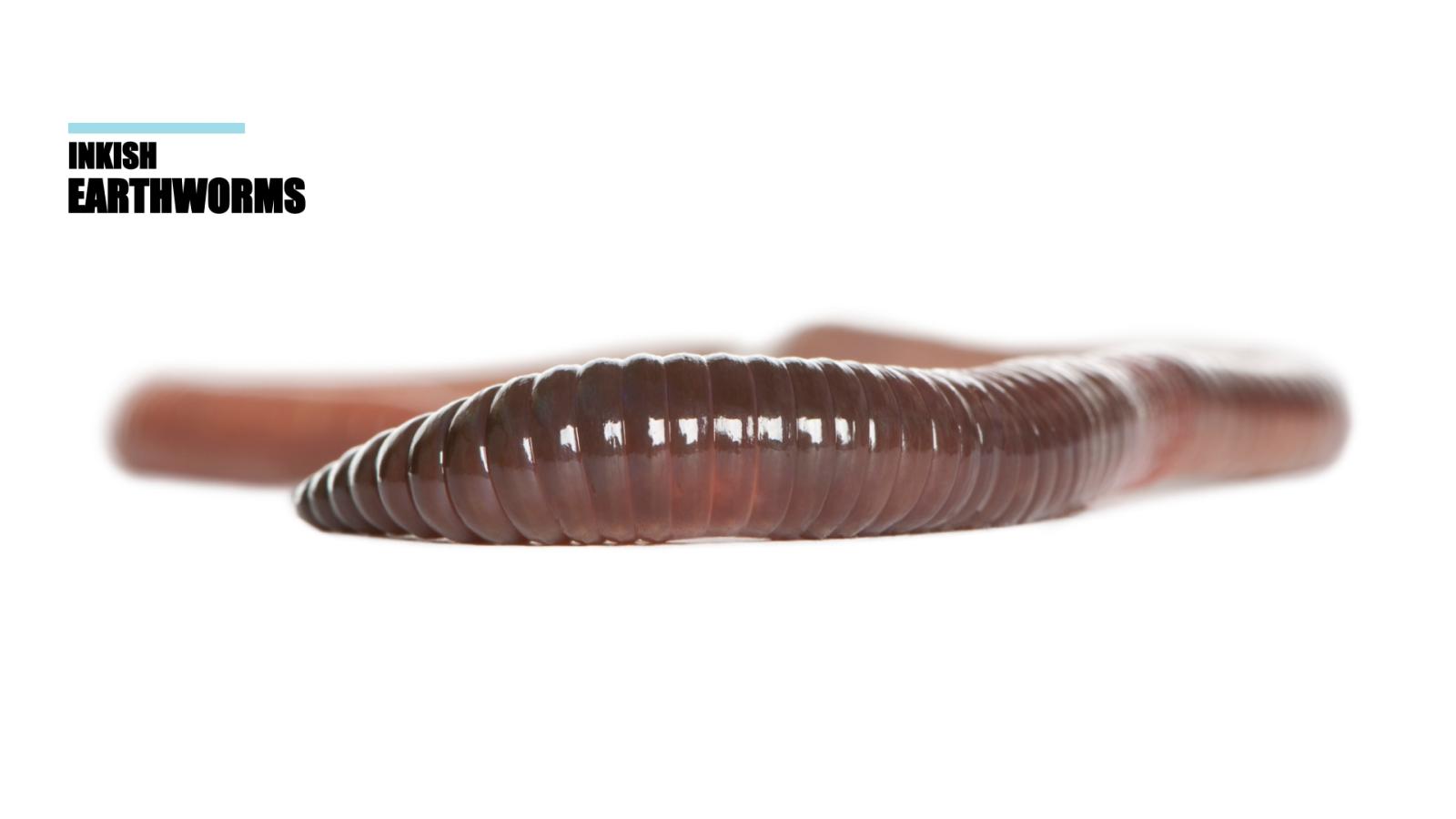
At first, you can think, what does an earthworm have to do with anything relating to you and the printing industry? And you are right. But you will be surprised, I predict, so let's dig in.
By Editor Morten B. Reitoft
Sunday morning is my favorite morning of the week. Sometimes the quietness of our house, where the kids are sleeping, Nina is either sleeping or already at work - she works as a nurse, is so lovely. I often spent the mornings reading novels, spending more time on my newspaper, or listening to a science podcast I have followed for years - and today, I listened to a podcast about earthworms. I don't know about you, but these creatures are all over your garden, and as they convert biomaterial to soil and essentials for plants, you accept them side by side with your vegetables, fruit trees, flowers, and all the other plants you have in your garden.
In the Victorian era, from 1837-1901, the view of the earthworm was different, and the eager gardeners did what they could to get rid of the earthworms. Charles Darwin started, however, to realize the importance of the earthworm, and according to the podcast, his last book was about - you got it - earthworms.
The earthworm is impressive, and this tiny creature may significantly impact your life more than you would ever consider. As with almost all animals, they came from the sea. The earthworm, however, only went on land about 300 million years ago, and it was able to spread fast. The worm is considered the most significant influencer of climate change and may be directly responsible for the end of the coal age. Back 299-360 million years, the coal reserves we use today were made, and as the earthworm went on shore, the worm started to convert biomass - and it is incredibly efficient. Soil with no earthworms contains 9 kg of carbon, and soil with earthworms contains only 250g of carbon. This fantastic conversion stopped the coal age and the production of coal, but it also led to a much higher level of CO2 in the atmosphere - so much that it may have influenced the atmosphere and led to a change in the climate.
Various climate models had flaws that couldn't be explained, but when the earthworm's footprint was considered, the models started to look right - and think about it - just because one tiny animal went on shore and started doing what it was best at. Amazing!
--Source:
24 spørgsmål til professoren v/Lone Frank.
Jakob Vinter, Paleontoligist, Bristol.




Login
New User? Signup
Reset Password
Signup
Existing User? Login here
Login here
Reset Password
Please enter your registered email address. You will recieve a link to reset your password via email.
New User? Signup
Currency Exchange Graph