
By Editor Morten B. Reitoft
An unfortunate effect of the increased focus on the environment is greenwashing. But what is greenwashing, and why is it something we need to focus on?
Let's start with a definition, here from Wikipedia: "Greenwashing also called "green sheen" is a form of marketing spin in which green PR and green marketing are deceptively used to persuade the public that an organization's products, aims, and policies are environmentally friendly."
So in laymen's terms - companies use 'green' to promote their business, products, and services, but where you can question whether they are really green.The balance is delicate, and in the following example, you will understand why. Mercedes Benz has rolled out a European-wide campaign promoting that all Mercedes Benz factories will be powered by renewable energy from 2022 (now). This is, of course, good and by all means good for the environment. However, Greenpeace has accused Mercedes Benz of being greenwashing, and Greenpeace has asked the Danish ombudsman to evaluate the campaign from this perspective.
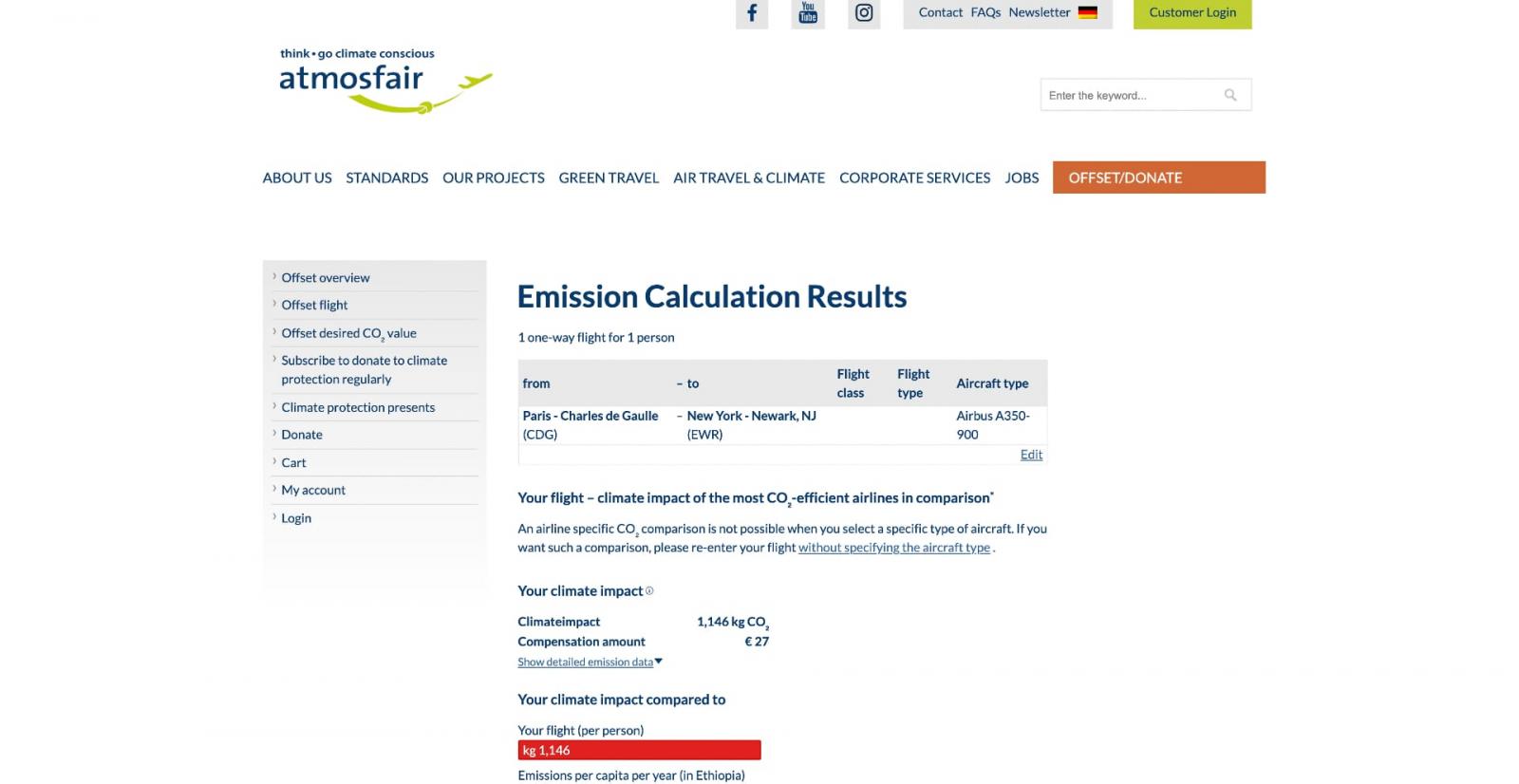
Scandinavian Airlines System has an offset calculator on its website. According to SAS, flying from Paris Charles de Gaulle (CDG) to New York Newark (EWR) will emit 347kg CO2. Using the German Atmosfair the same one-way fare will emit 1,146 kg. The third test is with MyClimate resulting in 950kg. So what should a consumer believe?
The two first websites take aircraft type (Airbus A350) into account - and that is, of course, important, but offsetting is apparently not that easy - and there are more to it. If you search for the price of CO2 credits - the prices, according to Second Nature, range from less than a dollar per ton to more than 50 dollars per ton.
Cool Effect offers carbon offset solutions, and on their website, they claim to provide Biogas Digesters to farmers and villages in developing countries, i.e., China. The idea is sympathetic and, if true amazing. In well-produced videos, they show farmers building biogas solutions (anaerobic digester) that enable a simple conversion of biological waste from animals, food, oils, and other bio-waste products into biogas. Biogas is Methane (CH4) and CO2 that households can use for food and other heating applications rather than burning wood and other biomass.
I am neither a biologist nor a chemist, so of course, this may be all perfectly sane. Still, when watching this video from the Swiss organization eawag, I wonder why an anaerobic digester can be turned into something that Cool Effects claim to have installed 400,000 of and a plan to install a further 600,000 in the next five years - the number is staggering!
The example shows how difficult it can be to find and support suitable Carbon Offsetting projects and how difficult the green agenda is regardless of how!
SO three things to be aware of: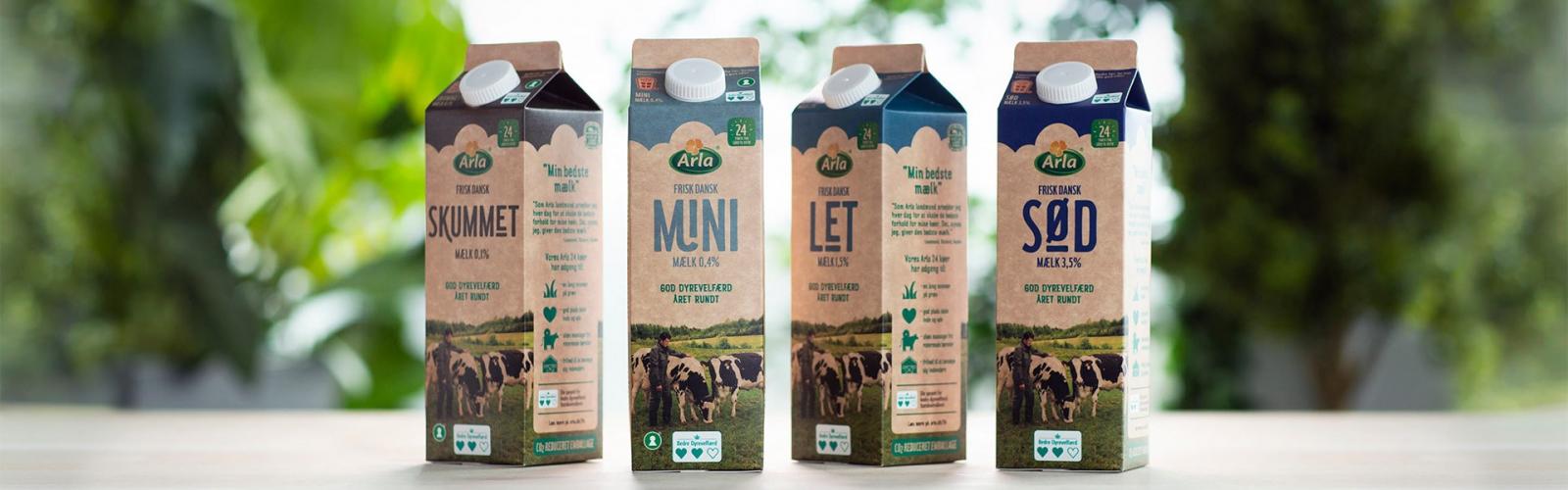
But let's dig into an example of greenwashing - or, to be more precise, what I consider greenwashing!
The Danish dairy company Arla Food is among the world's largest dairy producers. Organic food is not the same as a carbon offset, but the green agenda is closely related.
Arla produces milk-based products - some are organic, some aren't. Arla Food has for years used Tetra Pack for their products. As with so many other packaging products, coatings are needed and are a problem for garbage handling (recycling). However, it's a convenient packaging product, delivers fresh products to the consumers, and serves as an excellent advertising/branding pilar. A few years ago, Arla Foods added a plastic cap to its Tetra Pack cartons. Not sure why, but very convenient, of course, but I can't imagine a huge demand from customers. Whether these plastic caps play an important environmental role or not is a good question; however, not so long time ago, Arla Foods removed the plastic caps from their organic products, claiming this to be good for the environment - but hey - isn't this greenwashing?
If Arla Foods are concerned about the environment and removing the plastic caps is good - why haven't they removed them from all their products?Remember, Arla Foods themselves added the plastic cap on a product that worked perfectly good before adding it.
There are, of course, countless other examples, and the time ahead of us will not make it easier for consumers. As mentioned earlier, INKISH plans to publish a Magazine in 2022, and we have decided that the theme will be "green."A final note: CO2 is a greenhouse gas, and as you probably know, CO2 is just one of many. One of the essential ones to follow, as well, is Methane. In the film below, you can see how Californien legislation inspired/forced a farmer to change his farm by capturing Methane and now selling Methan for a six-digit amount to neighboring industrial companies. This is an example of why I am not worried about the future of humanity. Most people have an urge to survive and therefore develop solutions to their problems. This farmer has turned a challenge into a business opportunity and, at the same time, is suitable for his business.
Printers can do the same, and I am confident that the future has a bright future from an environmental perspective!




Login
New User? Signup
Reset Password
Signup
Existing User? Login here
Login here
Reset Password
Please enter your registered email address. You will recieve a link to reset your password via email.
New User? Signup
Currency Exchange Graph