Is IoT the Aritificial Intelligence highway to controlling our lives? Is that Bad?
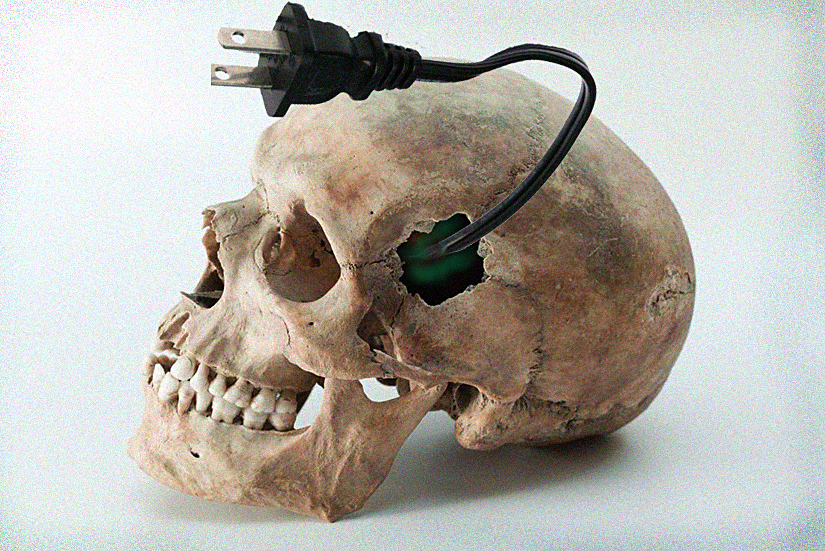
One day, sitting with a friend, I mentioned cat food that had been left out for the neighborhood strays. I do not own a cat and have never purchased cat food. Within minutes my phone was pinging with offers for discounts on cat food from the local grocery store. Artificial Intelligence at work. The microphone in my cell phone transmitted the information to some cloud-based ad builder and BOOM, I was segmented and targeted by a marketing program.
Industry 5.0 is defining the next phase of Artificial Intelligence (AI) integration into every touchpoint of our lives. It is also trying to define how the guardrails must be in place to protect privacy as well as promote innovation.
Why does the print world need to concern themselves with this? Because the higher value work, financial, health and advertising, are what the industry needs to stay profitable, and to be able to maintain the investment in innovative solutions. Industry 5.0 is addressing the value of AI to business, and the risk to people that comprise the markets served. Industry 5.0 is also the formal guideline to ubiquitous AI, with IoT the means to the end.
There is much to like about AI, and much to fear in how it is deployed. This is why the European Commission, the organization that defines industry’s dot upgrades, is defining regulations through a proposed Artificial Intelligence Act (AIA). The EU sees this as a way to bring “a wide array of economic and societal benefits across the entire spectrum of industries and social activities.” With equal consideration the proposal seeks to define “high-risk” AI systems that pose significant risks to the health and safety or fundamental rights of persons. The scope includes private health issues, biometric uses in law enforcement, and basic privacy.
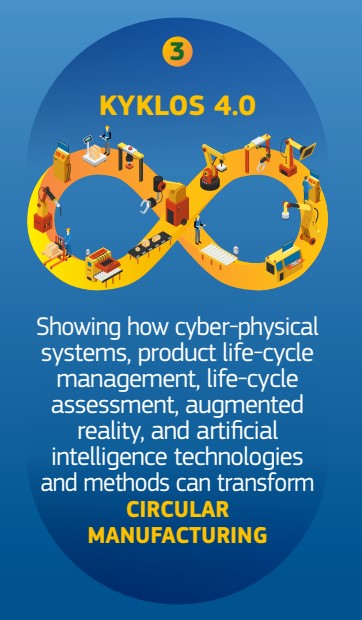
It is the privacy that is the highest risk. In the US, Personal Health Information (PHI) is protected by law. Print Service Providers (PSP) are required to be HIPPA certified in order to protect that information. With the health services industry being vital to many printers, AI intrusions are of concern. What if someone mentions aloud the specifics of a person’s health plan from an Evidence of Benefits document while performing data cleansing services and the microphone on their mobile device picks it up? While casual in nature, a privacy breach, just like casually mentioning ‘cat food,’ carries a high-risk penalty potential. Just use your experience to discover other potential breaches due to unbridled AI data gathering.
Advances in machine learning and analytics, and with access to the varied amounts of cloud, companies gather insights quickly and easily. The emergence of allied technologies continues to push the boundaries of IoT. Data produced feeds technologies, and repositories that are goldmines, to both the ethical and unethical who make up the business community.
The possible loss of competitive advantages on unique offers, new technics on the shop floor, potential client discussions, and on and on…all present degrees of risk. Can regulations prevent this? As with any law, most businesses follow the rules. And the rules that restrict offer the opportunity for the more devious souls to find ways to circumvent the restrictions.
Rules are good, ethics are better. The best practice is to exercise due caution. What forms will that take? Each business operation will need to decide, and soon. Industry 4.0 came quick and is now giving way to Industry 5.0.
We all need to be ready, aware, innovative and open to change.




Login
New User? Signup
Reset Password
Signup
Existing User? Login here
Login here
Reset Password
Please enter your registered email address. You will recieve a link to reset your password via email.
New User? Signup
Currency Exchange Graph