By Editor Morten B. Reitoft
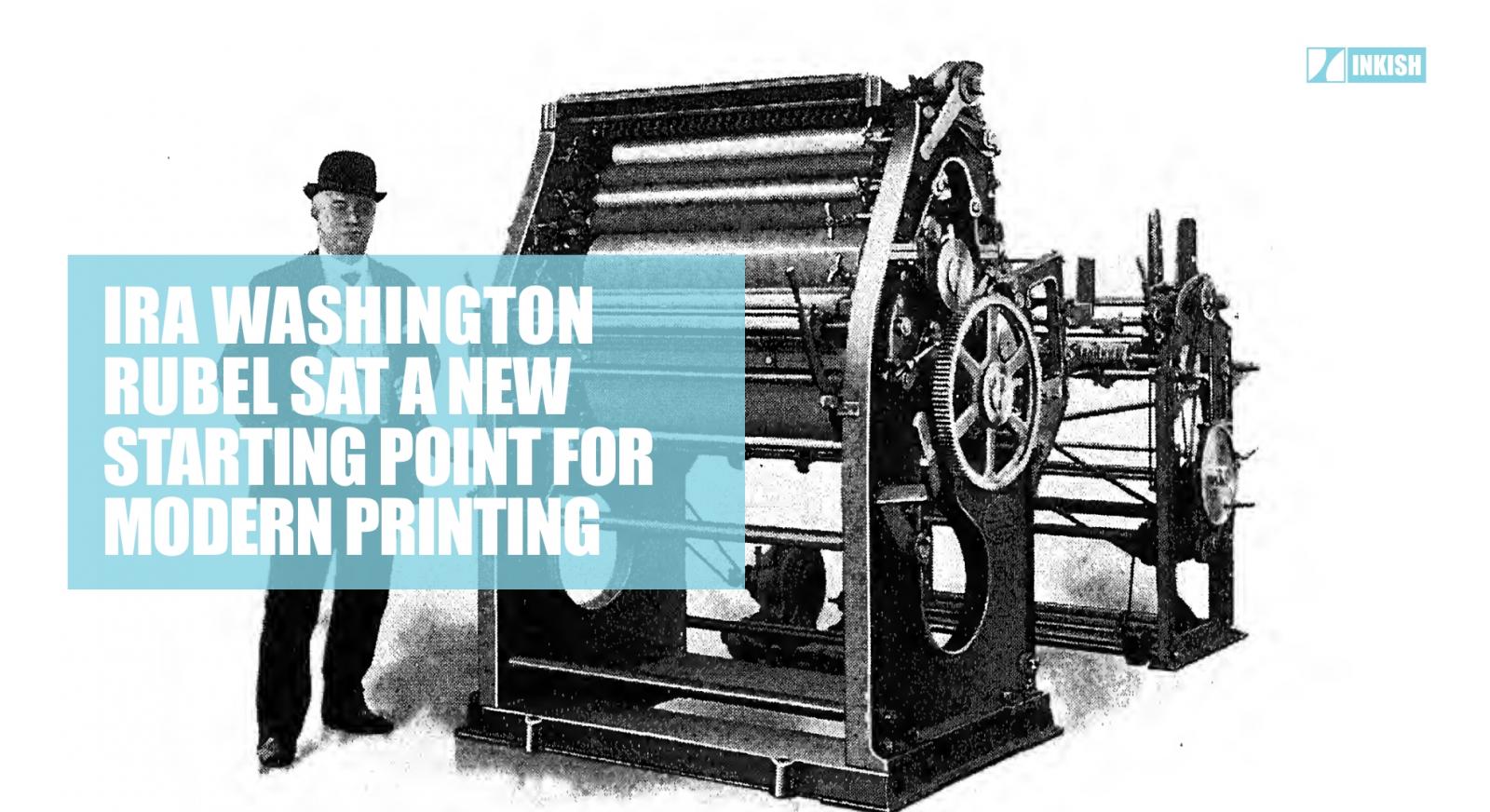
At the first-ever DURST Expo in Brixen just weeks ago, I listened to the opening speech by Thomas Macina, who gave us a historical overview to put current times in perspective. It was a great speech, and it inspired me to write this article. When discussing the modern printing industry, we often refer to Gutenberg, but it's not entirely correct. The printing industry is, at best, only about 100 years old. Many companies were founded on photography - think Fujifilm, Kodak, DURST, Ricoh, and Canon, to mention a few. The modern offset printing press was discovered in 1903 by Ira Washington Rubel. Of course, letterpress and other printing techniques were discovered and used earlier - but with the offset printing press, the development of better and faster machines became apparent.
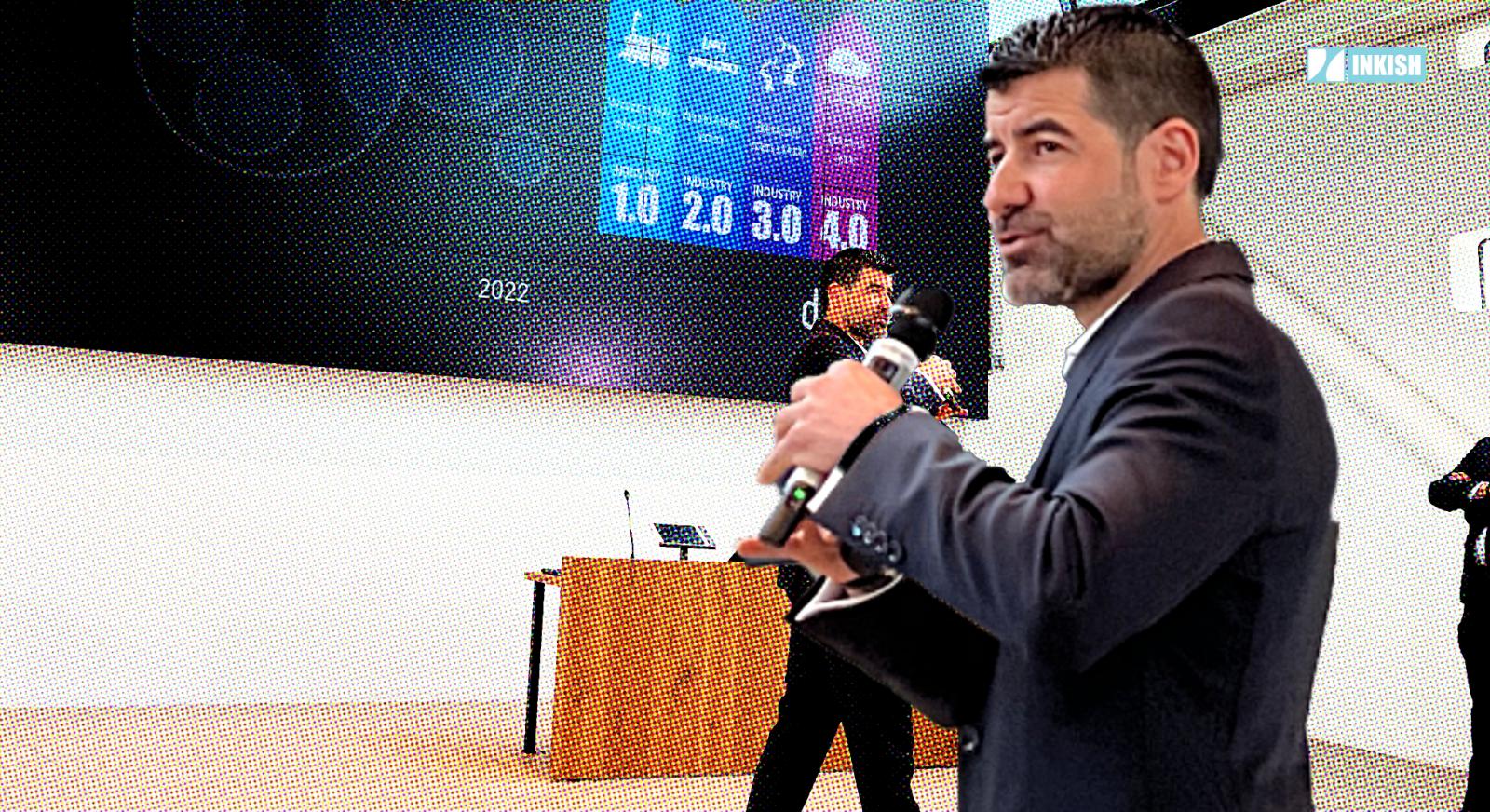
Thomas Macina · Global Sales Manager Labels & Flexible · DURST Group
Man Roland released their first offset printing press in 1911, yet it took years before offset became the standard. Man Roland believed in the offset press and kept developing the technology. In 1921 Man Roland released their first web-offset press. Heidelberg was hesitant to develop offset machines, and only in 1962 did the first offset machine from Heidelberg see the light of day. Companies like Heidelberg and Koenig & Bauer origins about the same time. Heidelberg was named Schnellpressenfabrik AG Heidelberg (fast press factory Inc, Heidelberg). It was established as a joint-stock company in 1905, and with the presses, Heidelberg almost instantly became a massive hit with at some point 400,000 presses installed with 240,000 printing companies.
In a previous article, I wrote how the Danish conglomerate EAC almost exclusively distributed Heidelberg globally and explained why still so many Danes are involved in print - with a background from Heidelberg. Koenig & Bauer also goes back to the late 1870s and has an equally unique history. Still, as you can see - the real development of our industry as we know it today maybe started with Gutenberg but only developed rapidly because of the innovations of the German and American press manufacturers. There were printing press manufacturers in Asia, of course, and the very starting date of mass-produced print most likely originated way earlier back in China. However, what is interesting is that our reference point should be later since it will also give us a better perspective of where we are in our technology and business life cycles.

Friedrich von Martini was a genius engineer inventor of rifles, cars, and binding equipment
Printing machines without binding is unthinkable, and many of the brands we know today were founded at the same time. Friedrich von Martini founded Martini, the predecessor to Müller Martini, founded as a joint venture with Müller in 1969. Friedrich von Martini had a background as the inventor of a precision rifle, and the first book-sewing machine was delivered in 1897, succeeding folders and stitchers from 1850. Martini produced cars until 1934. From the early '30s and forward, the company has focused entirely on binding equipment.
Hunkeler was founded in 1922 and can these days celebrate its 100th anniversary.
Next week FESPA takes place in Berlin (we are broadcasting LIVE five hours every day), and, of course, an important exhibition, but I can't help but think about how things have changed in this industry. The predecessor to drupa was Bugra. Bugra was short for Buchgewerbe und Graphik (books advertising and graphics) - and ran from October 3rd to October 18th. It was considered one of the first German exhibitions and attracted an unprecedented number of attendees. It attracted 2.3 million visitors, with exhibitors from 22 countries exhibiting. An incredible number, and when considering travel time, travel cost, and all the things associated with the time - a fantastic milestone in our industry.
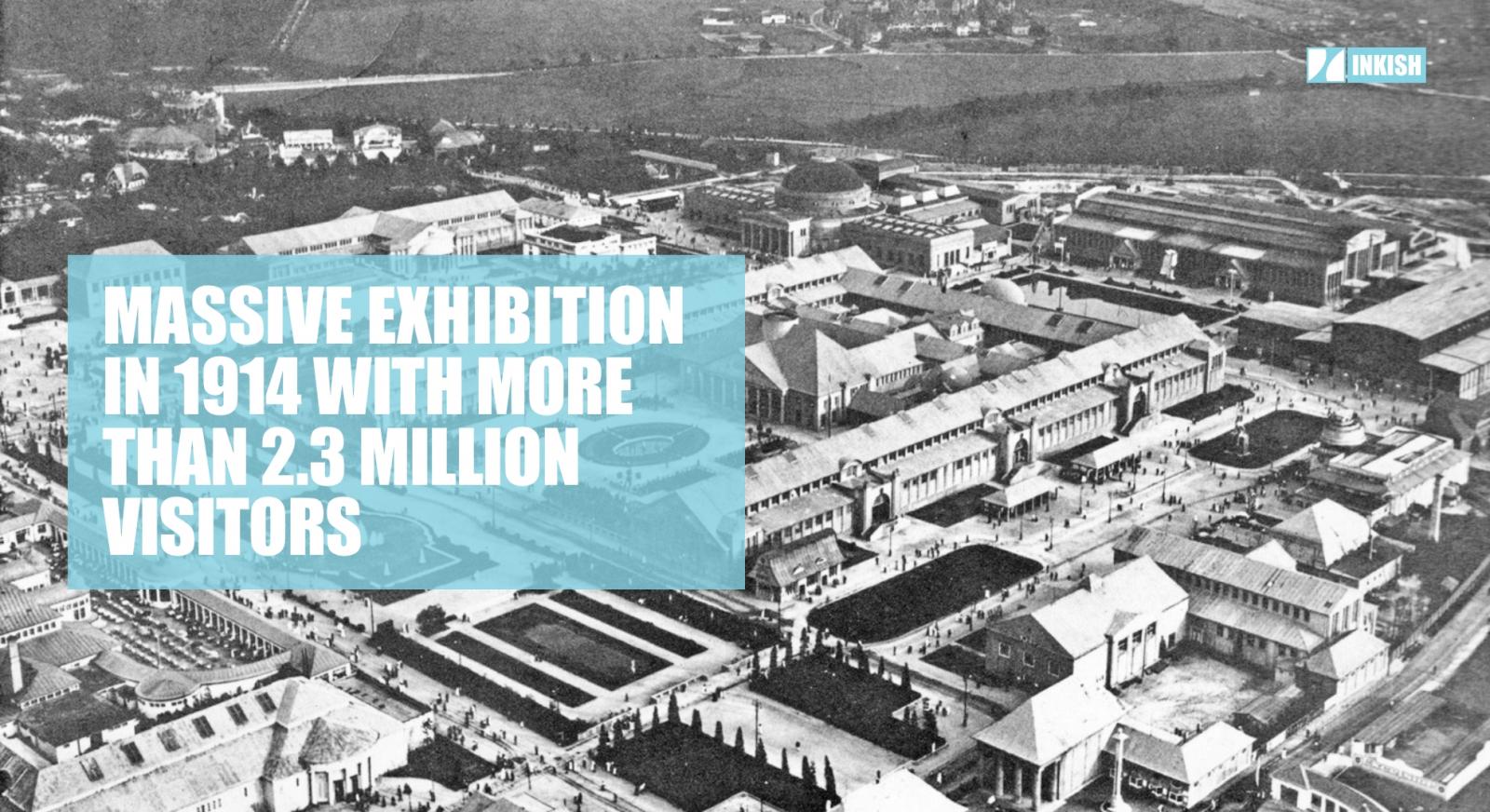
Printing in the early 1900 was HOT, and not even radio or TV could compete with print at the time. The demand for print was extreme - and the technology was considerably slower and with a different quality than today. Now we produce faster, in better quality, with fewer people, and WAY more competition.
What amazes me most - and why this is a great perspective to have - is that many of the companies from the time still thrive, and some of them are only three-four generations old. That's quite amazing to think of. What is, however, almost impossible to imagine is how the world of print looks 100 years from now.
The 2.3 million attendees at Bugra in Leipzig witnessed a revolution in front of their eyes with the newest and most innovative printing machines. In 100 years, our grandkids will think back on the technology from 2020 as so old-school. Maybe an editor in the future will sit in his office and search the whatever they will have the technology and think of the good old days with 10,000 visitors at a tradeshow, or machines that have difficulties matching the expectations or, or, or...
Thank you to all the innovative men and women who took the risk of investing and believing in themselves and dared to invest in technology that today delivers value to customers, food on the tables for millions of employees in our wonderful industry, and keeps pushing the boundaries for what's possible!




Login
New User? Signup
Reset Password
Signup
Existing User? Login here
Login here
Reset Password
Please enter your registered email address. You will recieve a link to reset your password via email.
New User? Signup
Currency Exchange Graph