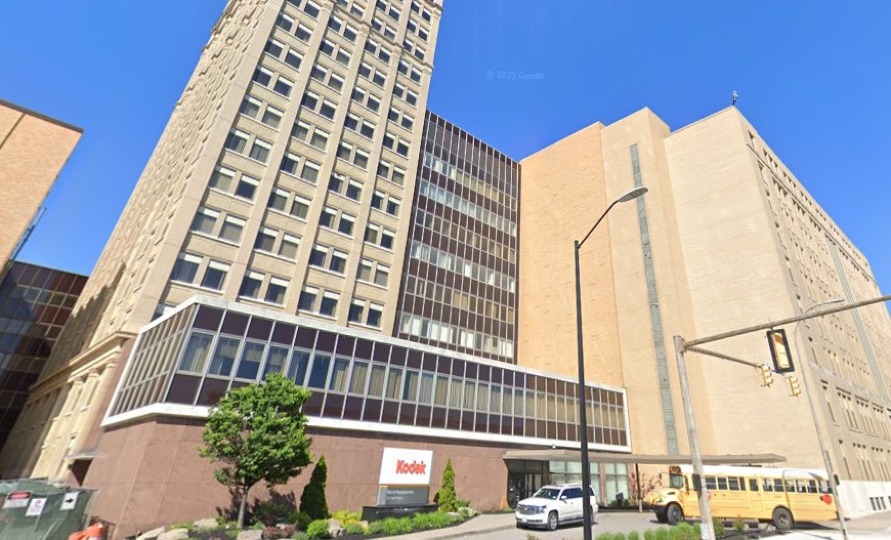
Eastman Kodak Company has clarified the “going concern” language included in its latest 10-Q filing, stating that the disclosure is a required accounting measure due to debt obligations maturing within 12 months of the report. According to Kodak, the company expects to address the situation well before the term loan becomes due, with plans to pay down a significant portion of debt and refinance, extend, or amend remaining obligations. The repayment strategy centers on an anticipated $300 million cash infusion from the reversion and settlement of the Kodak Retirement Income Plan (KRIP) in December.
Kodak emphasized that while the KRIP reversion is a key funding source, it is not deemed “probable” under U.S. GAAP because it is not entirely within the company’s control, prompting the “going concern” note in the filing. In a statement, Kodak explained: “The ‘going concern’ language in Kodak’s 10-Q is essentially required disclosure because Kodak’s debt comes due within 12 months of the filing. Kodak is confident it will be able to pay off a significant portion of its term loan well before it becomes due, and amend, extend or refinance our remaining debt and/or preferred stock obligations. To fund the repayment, we plan to draw on the approximately $300 million in cash we expect to receive from the reversion and settlement of our U.S. pension fund (the Kodak Retirement Income Plan, or ‘KRIP’) in December. However, the KRIP reversion is not solely within Kodak’s control and therefore is not deemed ‘probable’ under U.S. GAAP accounting rules, which is what triggered the ‘going concern.’ Once the KRIP reversion is completed Kodak will be virtually net debt free and will have a stronger balance sheet than we have had in years.”
If completed as planned, the KRIP reversion would significantly reduce Kodak’s leverage and provide the company with what it describes as its strongest balance sheet position in years. This could give Kodak more financial flexibility to pursue operational initiatives and strategic investments without the overhang of substantial debt obligations.

Proofed (Human)

Listen to This Article

Loading...

Login
New User? Signup
Reset Password
Signup
Existing User? Login here
Login here
Reset Password
Please enter your registered email address. You will recieve a link to reset your password via email.
New User? Signup
Currency Exchange Graph