It is new, not normal.

Printers are being told where they need to be to add value, but are they listening? The question is where printer/converters fit in future parcel shipping models. Shipping across borders needs to be more sophisticated than its current state. Direct-to-customer (D2C) and customer-to-customer (C2C) deliveries are areas of expected growth by the major product manufacturers. E-commerce blasts through borders and shipping needs to follow suit. It is to the benefit of those businesses that can respond to these emerging specialist segments that are outpacing the overall market growth.
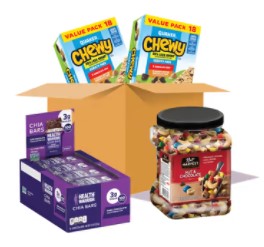
Pantryshop.com has custom packaged family packs for direct-to-home delivery
PepsiCo is adding a channel that bypasses retail environments. They are going directly to customers through their Pantryshop.com and Snacks.com e-commerce sites. Small e-tailers, such as D2C brands will need to make cross-border deliveries with the flexibility to scale. This is true for the C2C segment as well because they are a market where one customer purchases goods from another customer using a third-party platform to facilitate those transactions. They require the same flexible shipping options as D2C. Mega players and small players will be using similar distribution models; ideally the same ones!
Decentralizing the supply chain is becoming the response to a more granular approach to delivering goods to customers. It is already happening in the restaurant industry through last-mile logistics providers like Door Dash and Uber Eats. With e-commerce sales inexorably eclipsing brick and mortar models, companies should consider local fulfillment centers to improve the personalization/localization and speed of service.
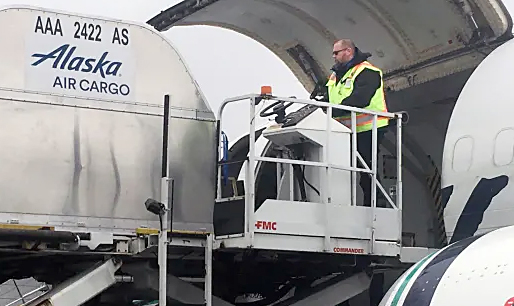
Airlines are starting to pull planes out of passenger service and converting them to air cargo shippers, and Alaska Air just added two of its older 737-700s. Boeing is expanding its conversion services in response to this industry wide trend. Faster deliver by air reduces time to market and ostensibly reduces the carbon footprint when compared to trucking: 4 hours across the forty-eight states compared to 4 days by truck. Now consider Mexico and Canada as drop points and the value in this model increases. United Airlines grew its air cargo revenue from 3% to 10% of gross sales. The motivation of more revenue exists. The types of packaging manufacturers use will follow the logistics needs for both space, weight, and product protection.

First-Mile (centralized manufacturing), Mid-Mile (localization/personalization), Last-Mile (granular delivery service).
First consideration is the container to move product, and second, the appeal to the end user through graphic design and personalization. Sustainability, which does get lip service, remains a tertiary concern. And now the graphic messaging will need to reflect less the shelf appeal in the retail environment and begin to address to in-home messaging. Easy to recycle is good, but compostable or landfill friendly materials are more attractive to the home use. It is appealing to simply throw something away without having to consider the method of recycle required per product.
First-mile, mid-mile and last mile considerations are paramount in manufacturers minds. How will this impact packaging products? It depends on where it is going. Logic would tell us that the more granular the distribution (think delivery to individual homes) would mandate more regional branding and messaging. Is this a play for labels, or Mid-Mile direct-to-object printing (i.e., printing directly on the packaged goods)? It seems like an opportunity for generic packages to be labeled/personalized for the last-mile segment. Is a distributed printing model the best solution to address this?
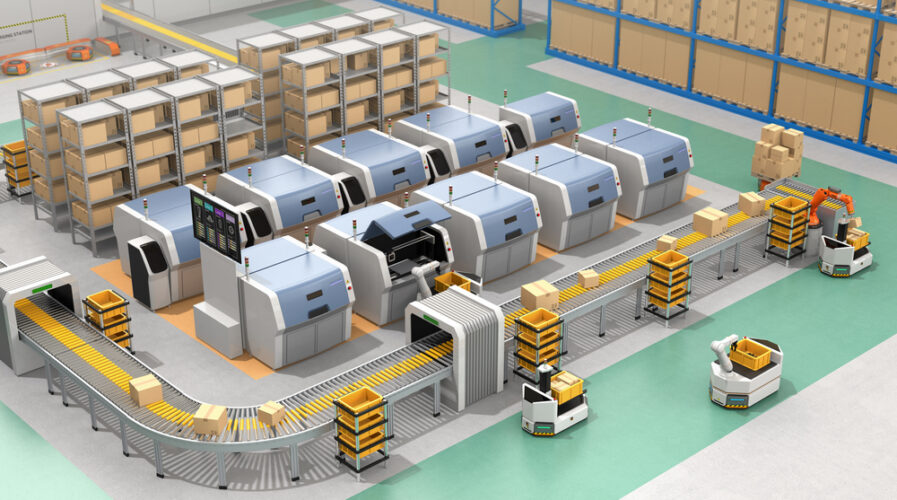
Pictured concept of Highly automated fulfillment and package personalization
A McKinsey study identified three areas of growth:
1. E-commerce is the driver of demand, and an interest in reducing impact on the environment- brick and mortar are no longer key drivers regarding future planning.
2. If able to commercialize and scale sustainability to match e-commerce growth, there is business to perform.
3. Focusing on where growth is occurring and having the nimble logistics infrastructure to respond with specialization. Mid-mile transport models and on-site converting loom as the greatest opportunity.
Companies able to model their existing businesses into these logistic solutions will integrate themselves in the path from manufacturer to end-user and add value at these critical points in the delivery chain. Want to offer sustainability and achieve a sustainable business? Start considering plans that put your company in a position to respond to these rapidly adopted changes in packaging distribution.
New, not normal.
References:
CNBC article on Air Cargo trends
Various McKinsey studies on logistics, parcel delivery, global growth




Login
New User? Signup
Reset Password
Signup
Existing User? Login here
Login here
Reset Password
Please enter your registered email address. You will recieve a link to reset your password via email.
New User? Signup
Currency Exchange Graph