Simple truth: 90% of colour density problems start at one place—your ductor roller. Get this foundation right, and everything downstream works. Get it wrong, and you'll chase problems through your entire press.
The ductor roller is the foundation of your ink system because it regulates the amount of ink that enters your distribution system. While every other roller moves the ink provided by the ductor, many operators may not realize that, depending on the design of the press, your ink train typically has 7 to 10 contact points. These points help mill and smooth the ink before it is delivered to the plate.
The finer the ink film thickness at the first contact point (your ductor), the faster ink transfers and remains fresh downstream, preventing ghosting and ink piling that eventually causes uneven distribution and scumming.
That is why the precision of ductor contact points matters so much—it sets the foundation for every downstream contact. When your foundation is damaged, expect cascading failures throughout your press—a domino effect that can turn a simple adjustment into a day-long troubleshooting marathon.
Success in offset printing comes down to precision in the fundamentals. These settings form the mechanical backbone of consistent ink delivery, and getting them right the first time saves hours of frustration later.
These measurements have been refined through decades of industry experience:
The foundation principle here is uniform contact across the entire roller width. Think of it like laying a foundation for a house—uneven contact creates uneven ink flow, which translates directly to density variations across your sheet. No amount of downstream adjustment can compensate for an uneven foundation.
Material properties matter more than most operators realize:
Wrong hardness equals poor ink transfer, which creates an inconsistent foundation. It's like trying to paint a wall with the wrong brush—you can have perfect technique, but the wrong tool will give you mediocre results every time.
Temperature control might seem minor, but it's critical. The optimum ink temperature of 72°F (22°C) isn't arbitrary—it's the sweet spot where ink viscosity and transfer quality work in harmony. Temperature variations affect how your ink flows and transfers, making your foundation unreliable when consistency matters most.
Even the best-maintained systems develop issues. The key is knowing where to look first and addressing problems at their source rather than chasing symptoms.
Before you start adjusting ink keys or blaming the automation, check your foundation first. Is the strip contact uniform across the width? Are roller bearings worn? Is shore hardness consistent across the roller surface?
The foundation fix is straightforward but requires attention to detail: adjust contacts evenly, replace worn bearings, and verify roller condition. Most operators skip this step and jump straight to ink adjustments, but that's like trying to level a picture frame on a crooked wall.
When your press can't seem to find the sweet spot between too little and too much ink, the problem usually traces back to your foundation. Check if contact pressure is correct, verify temperature is within specification, and inspect for roller surface damage.
The solution involves resetting contacts to specification, verifying your temperature control system is working correctly, and inspecting or replacing any damaged rollers. It's methodical work, but it prevents the endless cycle of "adjusting adjustments."
Here's a hard truth about modern presses: automatic systems can't compensate for mechanical problems. When your automation starts making wild corrections that don't seem to help, it's usually because it's trying to fix a mechanical issue with electronic solutions.
Fix the foundation first by checking mechanical contacts before diving into automation adjustments. Your press computer is incredibly sophisticated, but it can't overcome fundamental physics.
The printing industry has come a long way from trial-and-error setups, but the fundamental principles remain the same. Modern technology enhances these principles rather than replacing them.
Today's roller technology focuses on solving age-old problems with modern materials. Vibration reduction comes from lighter roller cores, spring assemblies, and softer compounds that maintain contact without creating bounce. Surface improvements include chemical-resistant coverings with mirror-smooth finishes that transfer ink more consistently. Intelligent delivery systems like Manroland’s Triple Flow Technology take the guesswork out of ink distribution.
A critical modern enhancement is the integration of bridge rollers between the dampener and the first ink form roller. This innovation helps reduce ghosting and smooths out ink delivery, creating more consistent results with less waste. It's a perfect example of how modern engineering enhances fundamental principles rather than replacing them.
The evolution began in the mid-1990s when prepress integration eliminated 150+ years of trial-and-error setup. Key workflow platforms with automated integration, like Heidelberg's Prinect Press Center XL and Manroland's Printnet in the Evolution press transformed how we approach press setup. The automation has revolutionized the process by streamlining steps, automating operational tasks, and broadening accessibility to a lower-skilled workforce.
But here's the foundation truth: automation enhances good mechanical setup—it can't fix a broken foundation. Think of automation as a skilled carpenter working with quality tools. Give that carpenter warped lumber and dull blades, and even the best craftsmanship won't produce quality results.
Consistent maintenance isn't just about preventing breakdowns—it's about maintaining the precision that high-quality printing demands. Each level of maintenance builds on the previous one, creating a comprehensive approach to foundation care.
Your daily routine should become second nature, much like a pilot's pre-flight checklist. Here are some visual indicators to monitor ductor functionality effectively:
1. During Press Operation: Pay attention to the uniformity of ink on the ductor roller as it transfers ink film from the fountain roller to the first oscillator. Ensure that the ink is distributed evenly across the roller width. Any variations in this distribution will be magnified in subsequent processes.
2. Before Wash-Up: Before washing up, set the ink fountain keys to zero to maintain a thin ink film on the ink fountain roller. Then, visually check how the ink washes off the fountain roller.
3. During Roller Wash-Up: Observe whether the solvent flows evenly downstream through the ink train. Uneven solvent flow serves as an early warning signal for potential contact or transfer issues.
4. After Wash-Up: This step is crucial yet often overlooked. After performing a roller wash, it's essential to allow the press to idle. This idle time ensures the complete removal of solvent residue. Automatic roller wash systems that use water often contain surfactants or detergents, which are part of water-miscible washes. These surfactants can remain on the roller surfaces and eventually disrupt the essential ink-and-water balance by lowering the surface tension of your fountain solution. This disruption can lead to plate toning, as the plate becomes less wettable. Once this issue occurs, it can be not easy to manage.
5. Key Issue: Surfactants are water-soluble, meaning they cannot be removed unless water is used in the cleaning process. However, using water can create the very problem you are trying to prevent. The solution is to act rigorously: flush thoroughly and let the rollers idle until they are completely dry. Verify that the ink train is dry before the next job—any residual moisture can carry surfactant contamination forward.
6. Check Your Plates: If the plates are not completely cleaned, this indicates that the ink from the rollers is not making proper contact with the plate surface.
Lastly, wipe the wash-up blades clean after each roller wash to aid in the washing process and eliminate any ink residue from dirty blades.
Your end-of-week comprehensive check is like a health examination for your press. This deeper inspection catches problems before they become expensive repairs.
Modern diagnostic tools enhance this inspection process significantly. The Heidelberg Roller Check Assistant on the Prinect Press Center allows crews to complete a visual assessment within just a few minutes, providing clear guidance on the tasks ahead. This removes guesswork and prevents unnecessary work—crews know exactly what needs attention and can plan accordingly for monthly corrective maintenance.
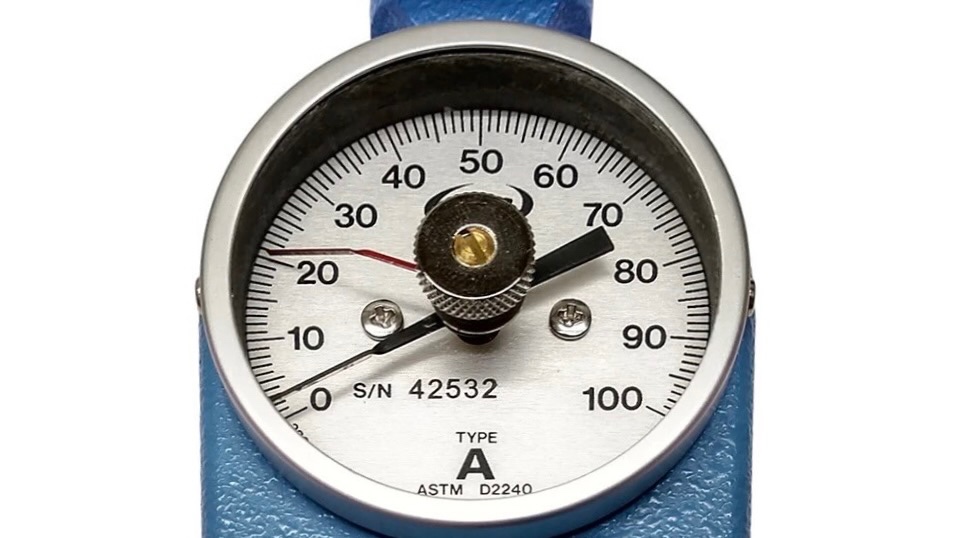
Start with a visual inspection, checking both sides of the unit across the full width. Look for wear patterns, damage, or irregularities on all rollers. Use your durometer for shore hardness verification in critical areas—consistency is key.
Your maintenance tasks should include using roller deglazing paste to remove paper dust, clay, pigments, vehicle agents, ink residues, and accumulated debris from the roller surfaces. This deep cleaning is essential for ensuring proper ink transfer. Be sure to use an extended auto roller wash-up cycle to thoroughly eliminate any residue from the roller deglazer. Additionally, wipe and clean the roller wash-up blades, and check both their condition and positioning.
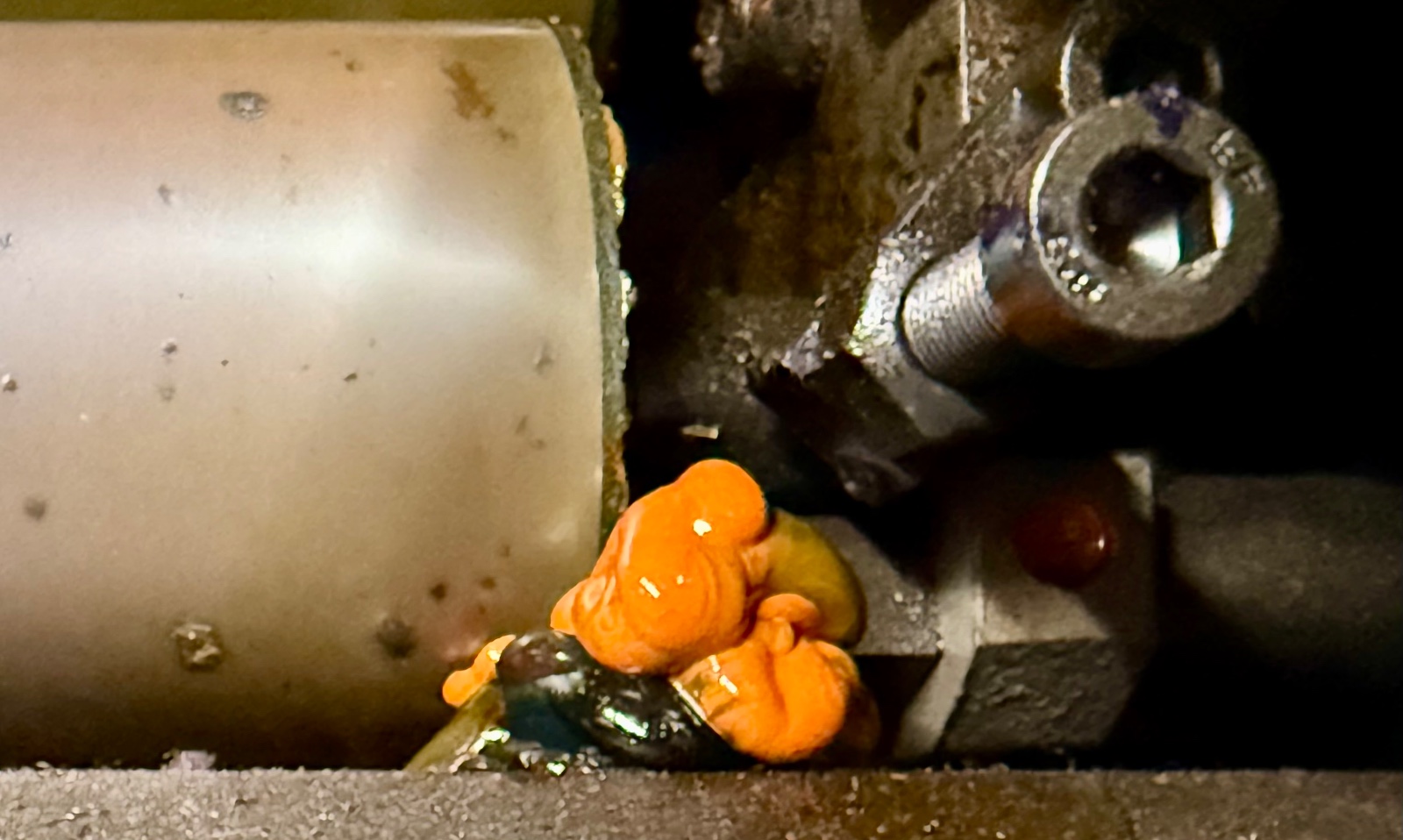
Critical alert: If ink skin has been fed into the ink train, it must be removed and scraped off immediately to prevent damage to the rubber rollers. Damaged and low areas created by ink skin damage can become permanent sources of ink distribution issues.
What starts as a minor surface problem can lead to major foundational failures. Think of this as preventive maintenance for your press.
Monthly maintenance is foundational for optimal ductor roller performance. This isn't just routine busywork—it's the deep maintenance that keeps your foundation solid for years. Monthly roller maintenance requires the complete removal of all rollers from the ink train, giving you access to components you can't properly inspect or clean during daily or weekly checks.
On multi-unit presses, this maintenance follows a systematic rotation cycle. For example, on a six-color press, you would maintain one unit each month, completing the full press cycle every six months. This approach ensures comprehensive coverage while maintaining manageable monthly downtime—one unit properly maintained is far more valuable than six units superficially checked.
This is comprehensive work that benefits from a two-person approach: while one person focuses on roller cleaning and inspection, the other can simultaneously clean printing unit walls and check moving parts—maximizing efficiency and minimizing downtime.
Roller-focused tasks:
These tasks can typically be completed by a press crew or maintenance team within 8 hours, ensuring minimal downtime while maintaining optimal press performance. The investment in time pays dividends in consistent print quality and reduced emergency repairs.
Proper storage isn't glamorous, but it's critical for roller longevity. Store rollers vertically in their original wrapping—never horizontal, as this causes sagging over time. Never stack rollers, using bearing support only. Maintain cool, dry conditions with a 2 to 3 years maximum storage period and 6-month rotation to ensure you're using the freshest stock first.
Sometimes, maintenance isn't sufficient, and replacement becomes necessary. Immediate replacement is required if you notice flaring, swelling, or any dimensional changes that affect contact patterns. Issues such as pitting, cracking, or surface damage can compromise ink transfer quality.
Shore hardness readings that exceed specifications indicate that the roller has degraded beyond useful service. Additionally, inconsistent transfer patterns that can't be corrected through adjustments suggest that the roller's foundational function has been compromised.
Two hundred years of printing evolution prove one thing: the mechanical principles of controlled ink transfer haven't changed since Friedrich Koenig's 1809 innovations. What has changed is our ability to apply these principles with the precision that high-speed operations demand, while eliminating waste and breakdowns through systematic prevention.
Modern lean principles perfectly align with ductor roller maintenance: prevent problems rather than fix them, eliminate waste through proper procedures, and focus resources on foundation stability rather than downstream repairs. Every hour spent on proper foundation maintenance eliminates multiple hours of troubleshooting, reduces material waste from rejected sheets, and prevents the cascading failures that shut down entire production runs.
Your competitive advantage lies in applying these proven foundation principles consistently and systematically. Modern technology gives you better materials, more precise measurement tools, and automated systems that enhance these fundamentals—but the fundamentals themselves remain unchanged.
The bottom line is simple: build a solid ductor roller foundation, and your entire press runs better. Ignore the foundation, and you'll spend your time fighting problems that should never exist. The choice is straightforward—fix it at the foundation or spend your days fixing it everywhere else.
____________
About the author: Jan Sierpe is a global press instructor and print media specialist with over 35 years of experience in the Americas, Europe, and the Middle East.
As a contributing writer for Inkish in Denmark, Jan analyzes trends in the printing industry, and his technical insights are published in multiple languages across international trade publications. He specializes in continuous improvement, process optimization, and waste reduction in areas such as security printing, packaging, labels, newspapers, ink jet large format and commercial printing.
Jan Sierpe | 416 697 8814 | sierpe.jan@gmail.com
Exel Servigráfica, Mexico City

Proofed (Human)

Listen to This Article

Loading...

Login
New User? Signup
Reset Password
Signup
Existing User? Login here
Login here
Reset Password
Please enter your registered email address. You will recieve a link to reset your password via email.
New User? Signup
Currency Exchange Graph