By Editor Morten B. Reitoft
Some months ago, my team and I had a long meeting discussing the economy, sales, productions, and prices - pretty much all the ingredients that make up your potential. Surviving the pandemic, the supply shortages, the war in Ukraine, insane energy costs, and, of course, high inflation makes your skin thicker. Still, at the same time, every company needs to rethink its strategies.
Sales will decrease*, and it will put a lot of companies under pressure, and some may be out of business. Companies must adapt to a new reality, where growth must come from being even more innovative than the competition.
So if you want to grow your business, you must take direct hits on your competitors, consider acquisitions or be acquired, develop innovative products, and consider what you can do to make money in a reality of selling less.
This is, by the way, total normality and is how almost all business cycles look. The only thing that I see as an abnormality is that the time between the crises (contractions) is shorter - and also, the nature of the crisis is very different - but that's for another article :-)
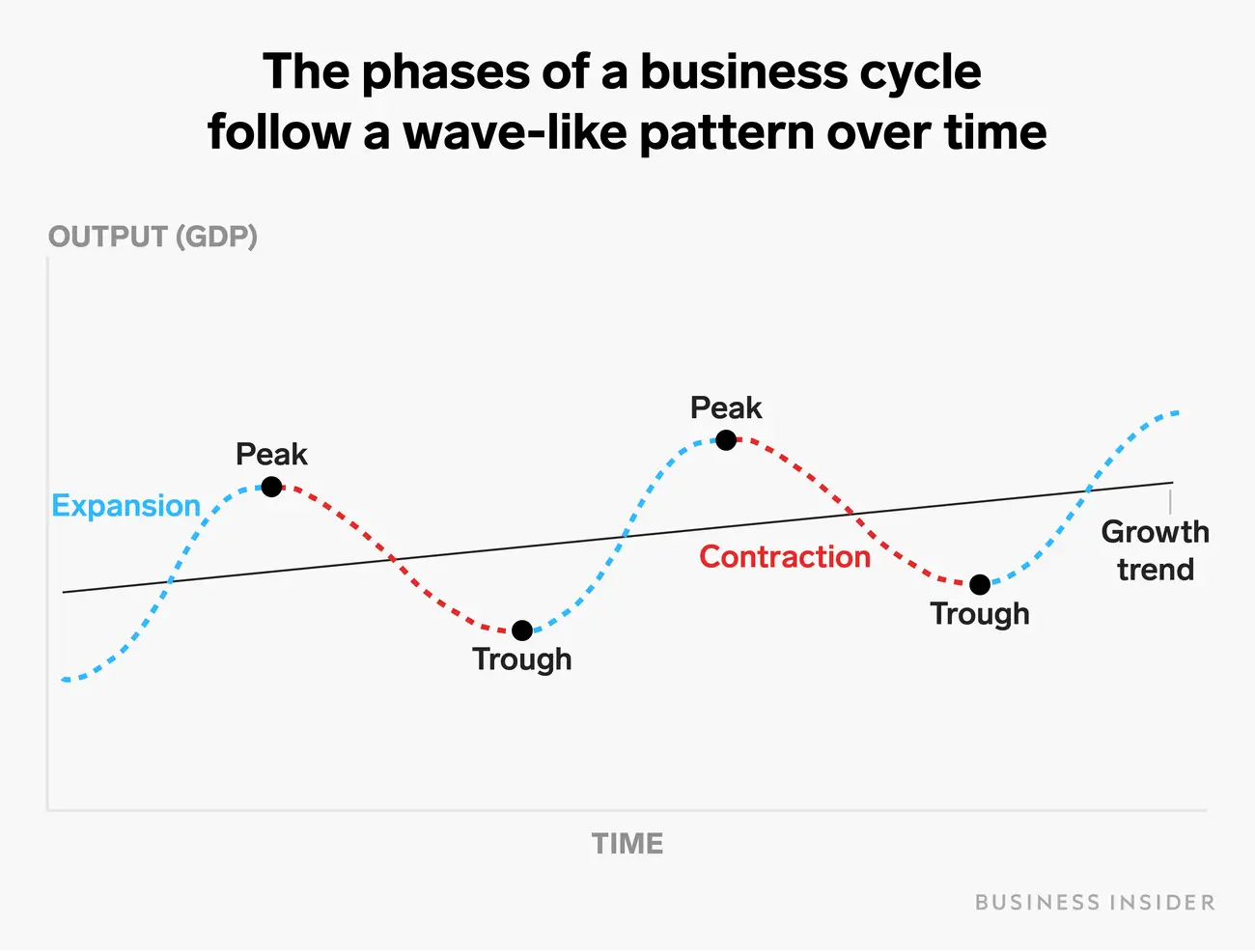
When the economy moves fast, sales are up, and innovation is down. When the economy gets slower, R&D investments are seen as the solution to push the market out of a recession, so very normal!
The role of management is always to steer the company into whatever water is ahead and always with a focus on how to create value for customers and shareholders. Employees in this context are 'only' means to deliver. As with all the previous crises, I am 100% confident that the current will create new opportunities to strengthen the companies and the people who will and can!
When we sell a product, we, in reality, solve problems. Remember, in many of my previous articles, I have argued that you shouldn't market products but objectives. A company doesn't buy a new printing machine because you can see it on a handheld video on LinkedIn; PSPs buy it to support capacity, productivity, lower cost, and higher returns.
Seeing equipment running is, however, always great, so don't get me wrong :-) It just has nothing to do with marketing!
When print buyers and brand owners' demand decreases, so will the need for new technology, or... You should be very cautious whether the change in the demand for your products is a short-term decrease or instrumental. If the change is instrumental, your organization should know whether your customer is changing to other technologies that better serve the new market conditions. Many offset OEMs missed the 'change' as customers added digital print capabilities. With inkjet entering the commercial print space, offset vendors have to ask if inkjet complements or replaces technology and how to respond.
So the real question is, of course, how to profit when sales fall. First of all, your budgets should NOT focus on reducing R&D - this is what will take you out of the crisis. Secondly, you should align the rest of your organization and costs with the new reality, and yes, of course, you will need to reduce marketing budgets - but be smart. I think you should use the means and channels supporting your long-term business. I, of course, have an opinion, and I am‚ of course, totally biased, and I will not even mention this here. Finding means and channels that deliver the values your company wants to be known for is crucial. This applies to visuals and, even more, the understanding of your business objectives.
With that said, if you do your business right, you will be stronger when things return to a more normal situation. It will never return to how it was, but it will always return to something that we will consider the good old times in the future!
--
*If you don't do anything!




Login
New User? Signup
Reset Password
Signup
Existing User? Login here
Login here
Reset Password
Please enter your registered email address. You will recieve a link to reset your password via email.
New User? Signup
Currency Exchange Graph