As for being Green, the goals, standards and codes are clear, the penalties are not
-The facility of being green and the lack of punishment for misleading ·
-Implications for the print industry are present and worrisome ·
-The case of Drax Energy rigging emission tests fined less than their daily government subsidy ·
-Admonition for green washing in a marketing campaign
It is pretty easy to be green. Just say that you are.
What would happen to a company that claimed it provided a greener product or operation, but really fudged on just how much, if it all, it really changed anything? In most cases nothing would happen. As an old saying goes: “The best intentions pave the way to Hell.”
If a company changes something that benefits their immediate community or customers, that is something that is encouraged. It is important, though, to assess what was done to make that beneficial change. A recent article published on INKISH.NEWS addresses the incredulity of most green claims and why questioning them and their validity is important. Whether it is CO2 emissions, deforestation, toxic chemicals, or any other form of human productivity there should be, needs to be, accountability.
Any claims to be green should be met with skepticism and questions, lots of questions. As for the print industry, there are so many materials that are sourced, and being green is a chance to differentiate, that the printer could be left holding the bag when it comes to what is truly green and what is not. If a PSP is bidding on an RFP that specifies green practices and sourcing, the printer must verify that. Is saying “The vendor said it was green” any kind of defense? Does it really matter if there are no real penalties, barely a hand slap to worry about? But if you lose out on an RFP or are sued for monies paid by the client because you could not subsequently prove just how green you were, maybe that is what enforcement of green practices will look like.
I can hear SGP’s Marci Kinter’s word’s ringing in my ears “Sustainability and green practice will never be regulated. It will only come from client demand.” The demand is one thing, but there ought to be a moral consideration for humankind and the planet we all live in.
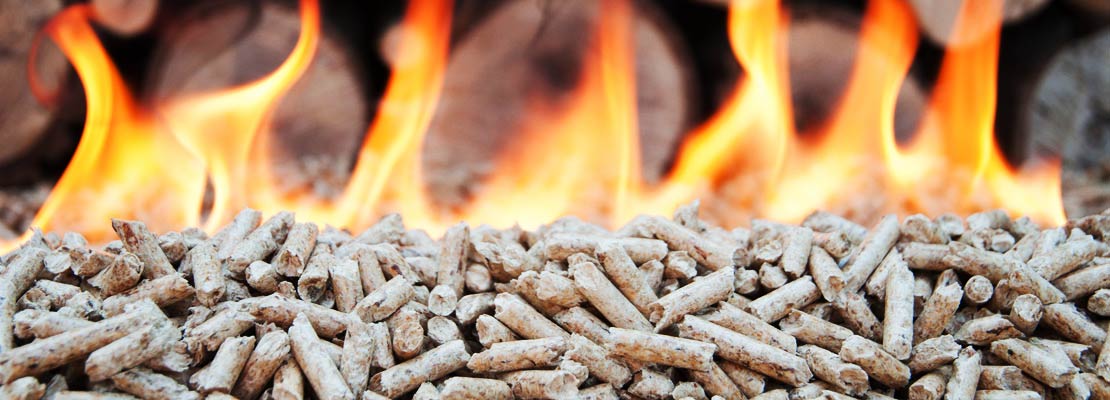
Drax Power vs. Smallville USA
So, how do ‘green’ efforts by companies play out in the green eco system? In one example, DRAX GROUP, a UK-based energy company offers “production of sustainable biomass and renewable power generation” services. It receives £2 million per day from the UK government in the form of biomass subsidies. This was merited based on the company’s claim that they will be Carbon Negative by 2030. All well and good. The UK will benefit from that effort.
But this turns out to be a Faustian deal. Best intentions and all that…
Way down south in the US, Gloster, a small Mississippi town population just over 1,000, 70% African American, with 40% of the entire town below the poverty for median family income saw hope in the form of Drax Power. A poor southern town in need of jobs. Drax started a pelletizing operation because of the local forest resources. Desperately needing work for the people of Gloster, this seemed like a great fit.

The generous funding of the UK government was due in large part to the claim by Drax of carbon neutral production of energy. Someone forgot to assess the toxic waste of wood biomass pellet production.
Drax was levied a fine of $2.5 million USD for its operation that spewed toxic air highly exceeding the Volatile Organic Compound (VOC) limits. It was not that they were polluting, that could have been taken care of. It was that they knew it and tried to mislead with rigged tests. They were emitting 4-5 times over the limits.
Ultimately Drax conceded and will likely pay or negotiate a resolution to fix the pollution under the orders of the fine by installing a regenerative catalytic oxidizer. The excessive VOC problem was first identified in 2017. It took 4 years to finally reach the resulting enforcement action.
This is the challenge of green initiatives. Are they really green at all? Drax could honestly say they did help the citizens of the UK, but it was with utter disregard for the poor folks in Gloster, Mississippi.
The UK has their Green Claims Code. It is well written, clear about the duties of a business to “do the right thing” regarding any claim about being green. The chink in the armor is that there is little enforcement code on the books. Companies will do a risk assessment and determine if there is enough risk to even worry about the validity of their green claims.
The folks in the Claims Code offices in the UK provided particularly good insight and were fully aware of the lack of bite. They pointed to a current case that gave them hope. Oatly, a grain-based milk alternative, positioned its products against the dairy industry. They made a claim that they generate 73% less CO2e than milk producers. It turns out they had an extremely convoluted explanation, invalid comparisons, and most of the claims against them were upheld.
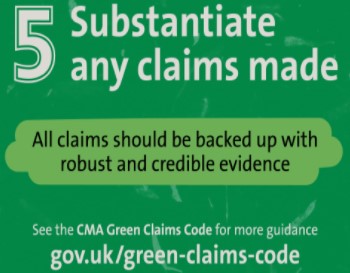
The penalty?
“The ads must not appear again in the forms complained about. We told Oatly UK Ltd to ensure that the basis of any environmental claim was made clear, including what parts of the life cycle had been included and which excluded. We also told them to ensure they held adequate evidence to substantiate environmental claims made in their ads as they would be understood by consumers.”
Very formal, polite, and, well, innocuous.
Of course, they should do the right thing! But when it comes to profits and gaining market share, well Oatly got what they wanted: an ad campaign that made them greener than their competition. As they say in Hollywood, there is no such thing as bad publicity.
And so, it is up the print buyers, the companies that use printing to insist on compliance and the ability to prove just how green your practices are. That is the demand that must be created. PSPs cannot do it all by themselves. They are dependent on the companies that provide the equipment and consumables to validate the green standing. Vendors of print equipment, ink and toner suppliers, paper mills will have to step up and provide detailed data on what makes them green and ecologicaly better than they were, and perhaps more desirable than their competitor.
INKISH will continue to follow the green and sustainability issues that pertain to the print and graphics industry.




Login
New User? Signup
Reset Password
Signup
Existing User? Login here
Login here
Reset Password
Please enter your registered email address. You will recieve a link to reset your password via email.
New User? Signup
Currency Exchange Graph