By Editor Morten B. Reitoft
In December 2021, the US Biden administration signed a law banning imports from several Chinese companies due to violation of human rights and, more specifically, because of slave labor. One of the many companies on the list of banned companies is Ninestar, which is claimed to be one of the world's largest suppliers of digital printers and consumables. Ninestar also owns brands like the former IBM-owned Lexmark and several other brands known, mainly in the office segment, but also as a supplier to companies like Ricoh, Xerox, Sharp, and more.
With the US ban, the impact is vast. Many questions have been asked to Lexmark in particular (as a sizeable US-based entity) and some of the other companies under the ban. Ray Stasieczko from 'The End of Day with Ray' has produced numerous videos bashing Lexmark, asking them questions, and asking the questions that should have been asked by trade media, newspapers, analysts, and other people who can get the answers. In a VERY short time, thousands of companies won't be able to get consumables, spare parts, and maybe even service - so highly relevant questions and questions that need answers NOW.
Ray Stasieczko is the owner and editor of "The End of Day with Ray Staseiczko" and has both passion, experience, and insight in the office segment of the printing industry. With his daily episodes, he picks different stories - some based on financial data - others on events, interviews, and opinions. I was referred to him by a friend and have followed him almost daily since then. He is seen as controversial, but I believe the people that call him controversial also are the ones that are hit by his sharp tongue and straightforward opinions on what he experiences. He is mostly very open to discussions and exchanging ideas, so his views are a good foundation for exchanging ideas and open discussions. This is not supposed to be a disclaimer of who Ray Stasieczko is but more a short introduction to a person who is maybe the ONLY in the printing industry chasing this story - which will have HUGE consequences for many customers very soon! So with that said - let's move on!
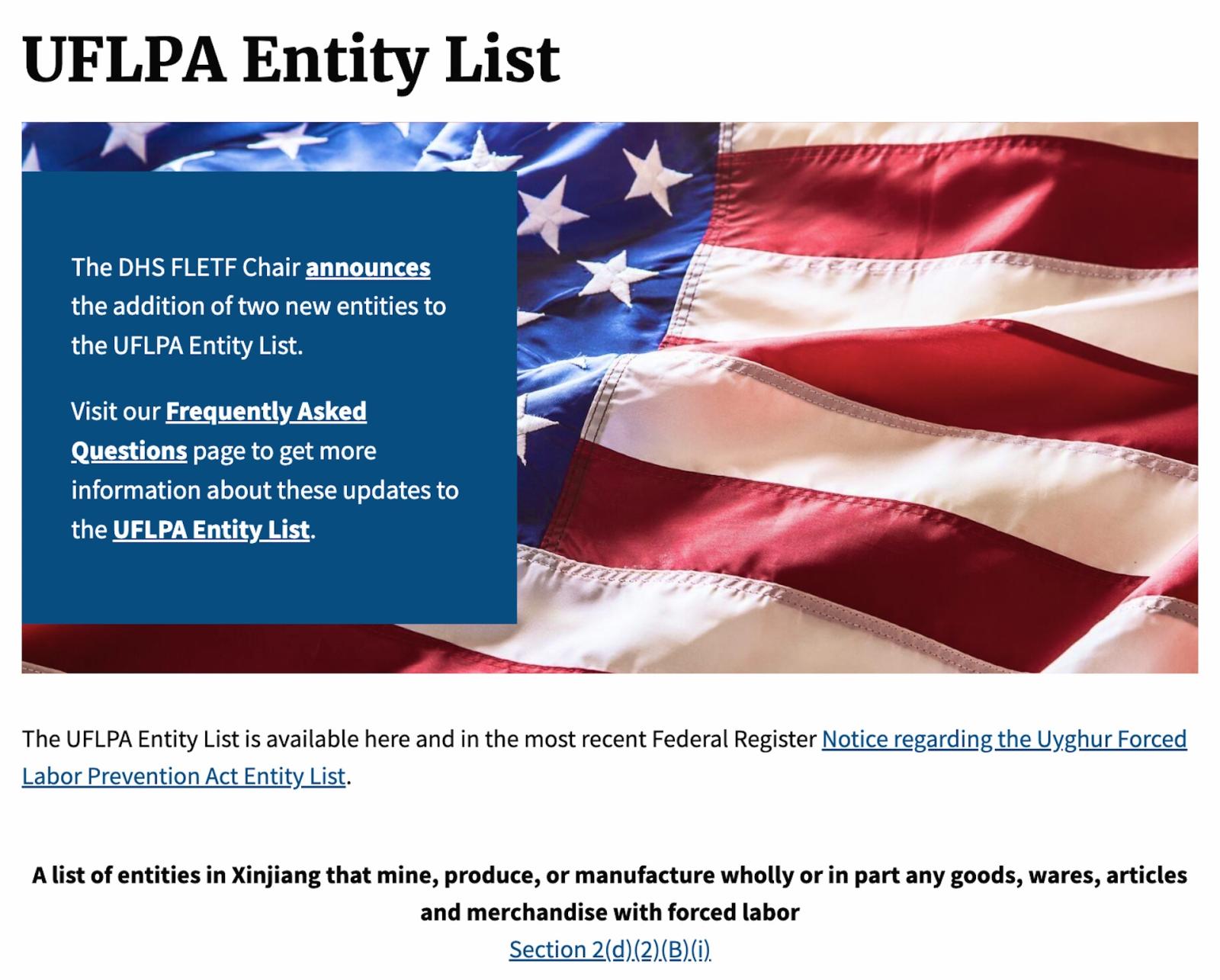
This story should have started MUCH earlier, but 2021 the US introduced a new law. The US Uyghur Forced Labor Protection Act (UFLPA) is the name of the law that was signed in December 2021. The law, in short, makes it illegal to import products from companies mentioned explicitly in the law. This means that from December 2021, importing products from companies on the list is prohibited. Thousands, if not hundreds of thousands of customers in the US will, therefore, be unable to get consumables, spare parts, software, updates, or anything to their printing machines. As you can imagine, this isn't easy to manage, but it must be addressed. Some companies may be able to change suppliers, but some may not easily be able to do so. Lexmark, for one, is one of the largest brands in the Ninestar group, and Ninestar owns the majority, and one thing is being able to change parts to other manufacturers; another thing is the time it takes. According to Ray Stasieczko, some US customers have denied acceptance of goods from Ninestar and its subsidiaries. On a larger scale, thousands of Chinese shipments are still not processed and pending a decision to be released - the latest update can be found here, but let me share the overall numbers. 4,269 shipments (per FY2023 to date) have been received, 679 shipments denied, and 1,608 released - leaving 1,982 shipments undecided. A tremendous handling issue, and imagine what a headache this gives dealers, distributors, whole-sales companies, and businesses.
You can see the list of the banned companies here:
This story should have started WAY earlier because the Chinese have chased the Uyghur Muslims since 2014 - and maybe even before!
This article will, hopefully, give you more insight into what this means and its potential consequences. We will, however, also need to think about the implications from a broader perspective. Companies like Apple, Nike, Tesla, GM, Volkswagen, Kraft, Nestlé, Google, Microsoft, and many more are, according to JWW18 (Jewish World Watch), also using or have used forced labor, but with the UFLPA ban, these companies are not explicitly mentioned and are therefore not part of the ban. This can be because the evidence isn't strong enough, political ties are close, or these companies have found other suppliers. You can search their database for details about how companies are involved with forced labor - and still not influenced by the UFLPA ban.
We will also discuss how, if at all possible, how Ninestar and the other companies can rectify their wrongdoings and at least try to do some damage control before all their customers find other suppliers?
The press has NOT handled the UFPLA well. Most have not followed up on anything, and hadn't it been for Ray Stasieczko, I would not even know that Ninestar and some of the subsidiaries were banned. The media that have written about this story has not looked into the details of the Uyghur Muslims and even less into the consequences for the print customers. A short notice is what most have written. However, I did find a few media that reported more details about the shipping situation with the ban in US harbors and some of the consequences for the US customers.
This story is, first and foremost, about how the Chinese government uses all means to eradicate an ancient population in the largest region of China. The secondary story is the consequences of the ban. But we can't forget the people in concentration camps sent throughout China to do forced labor for companies that produce products we all use daily. We can't ignore fundamental human rights, freedom of speech, and democracy - not over money. We all have to stand up against this.
So sit down and prepare yourself for hopefully a good read!
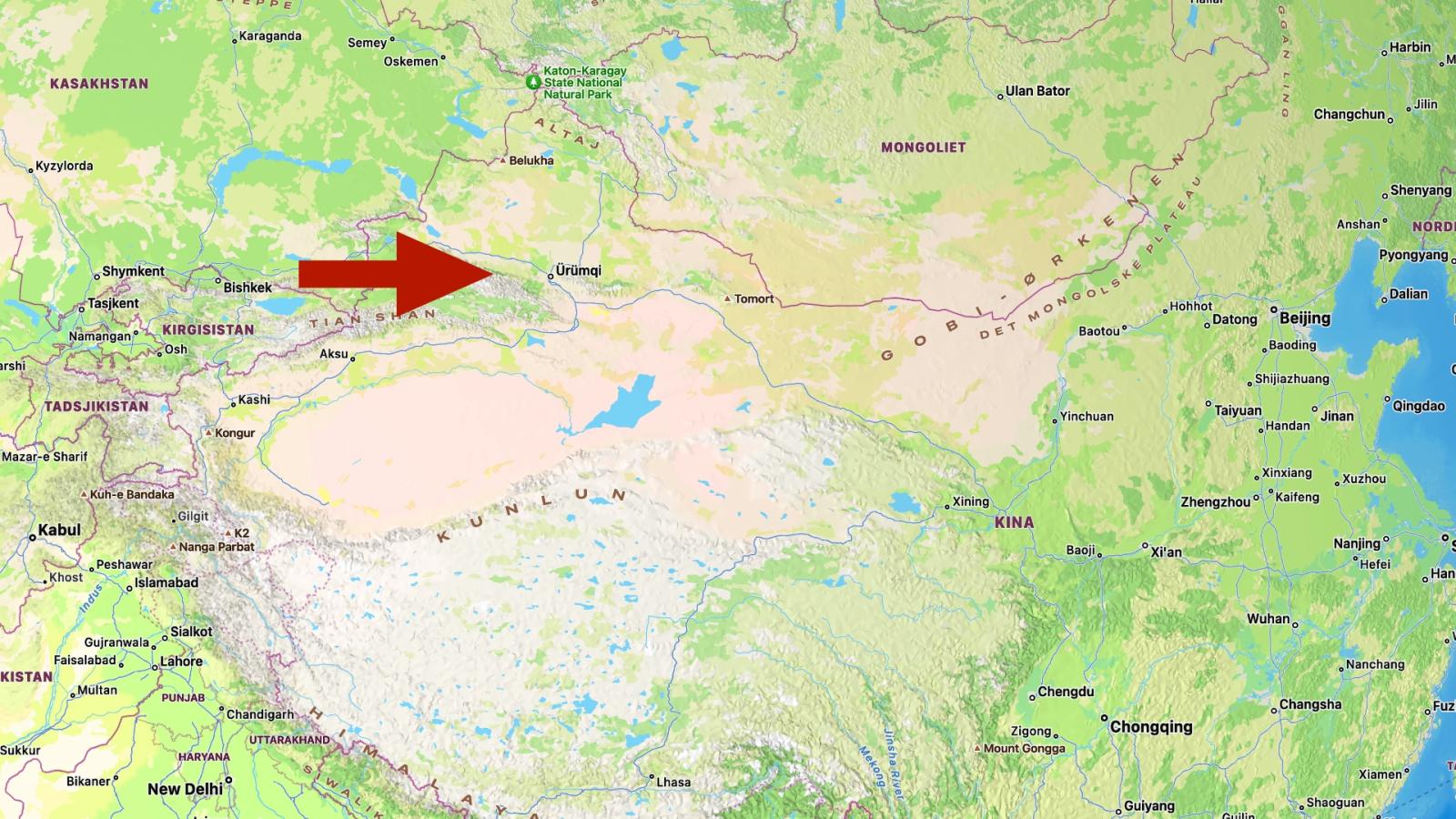
The Uyghur people are not like most Chinese. They live in the largest of all Chinese regions, the autonomous region of Xinjiang, in northwest China. In the past, the region was known under the name East Turkmenistan. Though now part of the acknowledged borders of China, the region has been under many different rulers during its many years of existence. With a size three times France, the region is vast. Still, the population is only about 26 million people. Half are HAN Chinese and Buddhists. They have populated Xinjiang massively as part of the Chinese assimilation program. The HAN Chinese are given the best land, best jobs, and better conditions on all levels to attract more HAN Chinese to move to Xinjiang but also to suppress the Uyghur people. As closed as Xinjiang is to foreigners, more tourist tours are organized for Chinese people, so they can see how great a place Xinjiang is and how attractive it is to live there. China has invested billions of Euros in Xinjiang and wants to protect its investment. Xinjiang is, however, a political headache for the Chinese government on par with Tibet - however, much more money has been invested here. Like the Tibetans want freedom, so does the Uyghur population. It almost became a gift to President Xi Jinping when separatists started undeniable terror activities against Chinese interests. It almost made it legit for Xi Jinping to enforce new antiterror laws. We will get back to that in a moment!
As much as the HAN Chinese dominate the capital, Ürümqi, and the north, the south is dominated by Uyghur Muslims. According to sources, the name East Turkmenistan or Xinjiang goes back 9,000 years. Turks from Russia, Iran, Iraq, Afghanistan, Turkey, and other Arab countries, have been nomads living in the oases of the deserts - and the Tarim Basin covers the southern part of Xinjiang and even stretches to the Taklamakan Desert. The Uyghur population got Islamic influence in the 10th century - and is widely considered fully Islam in the 16th century - and as already mentioned, this IS recognized by the Chinese government. as the original population of Xinjiang.
The capital Ürümqi formerly known as Dihua, is a modern city with about 4 million people living there. The Muslim population differentiates itself from most of the HAN Chinese people not only by their religion but also by their appearance. The Uyghur Muslims have a long history in Xinjiang and identify as Turks. The Chinese government recognizes them as a minority and the original population of the Xinjiang region. Today you find Uyghurs from Turkey across the southern borders of the former Soviet Union to China. The ancient Silk Road between Europe and China passes through Xinjiang, as do the new giga-projects China are building between China and Europe.
2014 Xi Jinping launched the 'Strike Hard Campaign Against Violent Terrorism.' Besides the things already mentioned above, this campaign has led to the imprisoning of up to 1.8 million men and women in as many as 300+ camps where some women are sterilized against their will, raped, and men are tortured, and used as forced labor - sent to companies around China to work under slave-like conditions. The Chinese government denies these accusations and claims that the camps people are sent to are to give them education in Chinese values, communism, and more. Getting yourself in prison is easy. Pray in public. Have signs with Muslim quotes in your house or have a Qur'an in your possession - and you are quickly finding your way to a camp where your rights are zero, and knowledge about when returning home is something you don't need to know!
Some sources claim that HAN Chinese people move in with Uyghurs to monitor, report, and guide the family to live after Chinese standards.
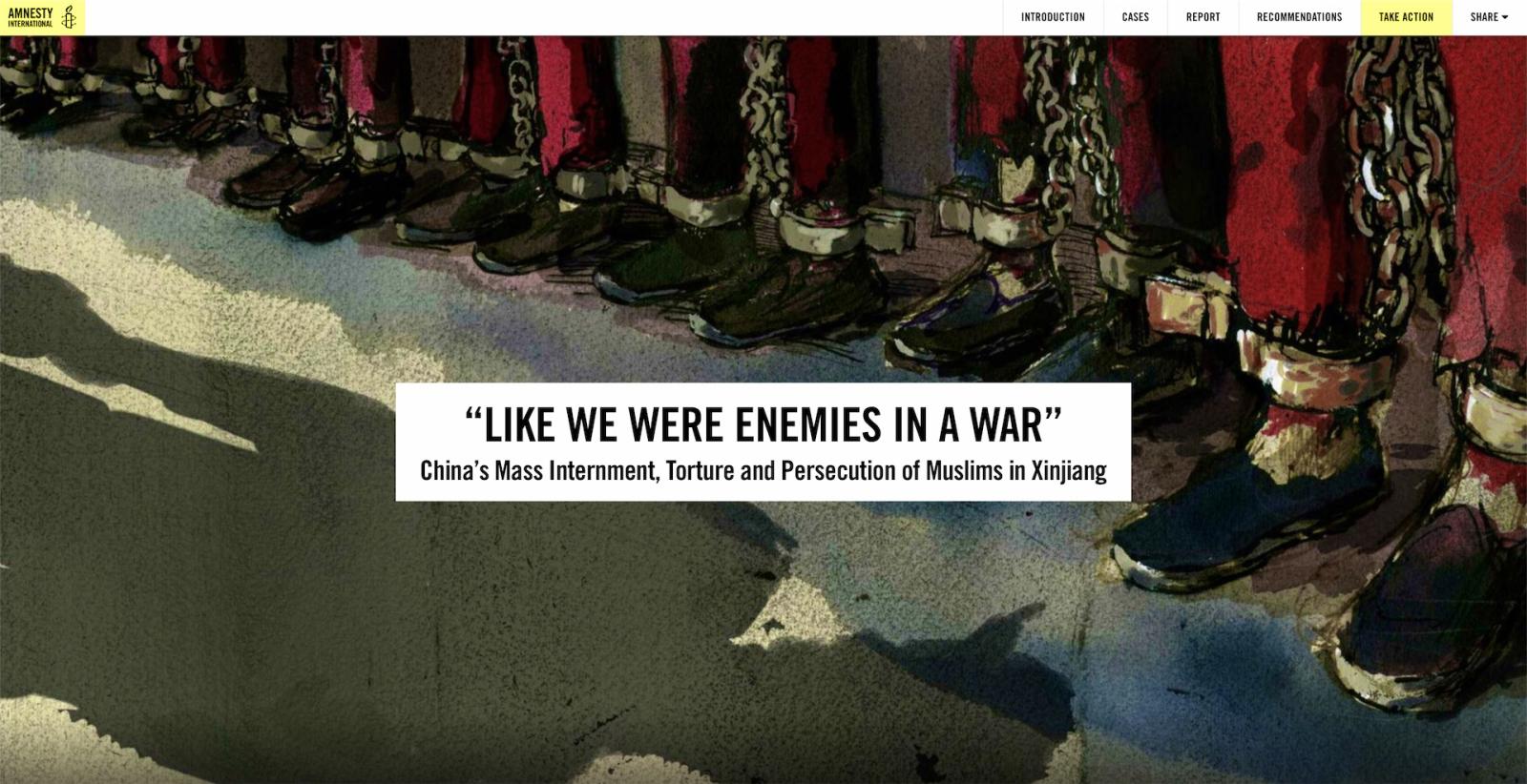
In today's context, the Uyghur Muslims are used as forced labor and re-schooled in concentration camps across the Xinjiang region. According to a recent report from Amnesty International, "Like we were enemies in a war," China has carried out massive and systematic abuses against Muslims living the Xinjiang and documented all kinds of abuses from torture, rape, psychological terror, and part of the assimilation process is to offer companies across China access to forced labor. Ninestar and several other companies have accepted and used this as part of their labor force. The companies buying from the companies abusing labor have quietly accepted these misbehaviors, and only when the US took action with the UFLPA law did something start to move. The European Union was slow to follow up on the US actions but has finally followed up with initiatives dated September 2022 - but as the EU can't impose a ban on behalf of all member states, each state needs to ratify separately, which has been given two years :-(
When the US bans China, everybody agrees that using slave labor isn't OK. Still, everything between the US and China CAN also be seen as part of the increasing political tensions between the two countries. A spokesperson to the Chinese Ambassador for the UK and Northern Ireland said on June 29th, "Forced labor is not taking place in China but in the US." and continued, "Forced labor has been a deep-seated problem with the US since the day it was founded. The long history of slavery is solid evidence of forced labor in the US. According to statistics, between 1525 and 1866, over 12.5 million Africans were shipped to the New World for forced labor."
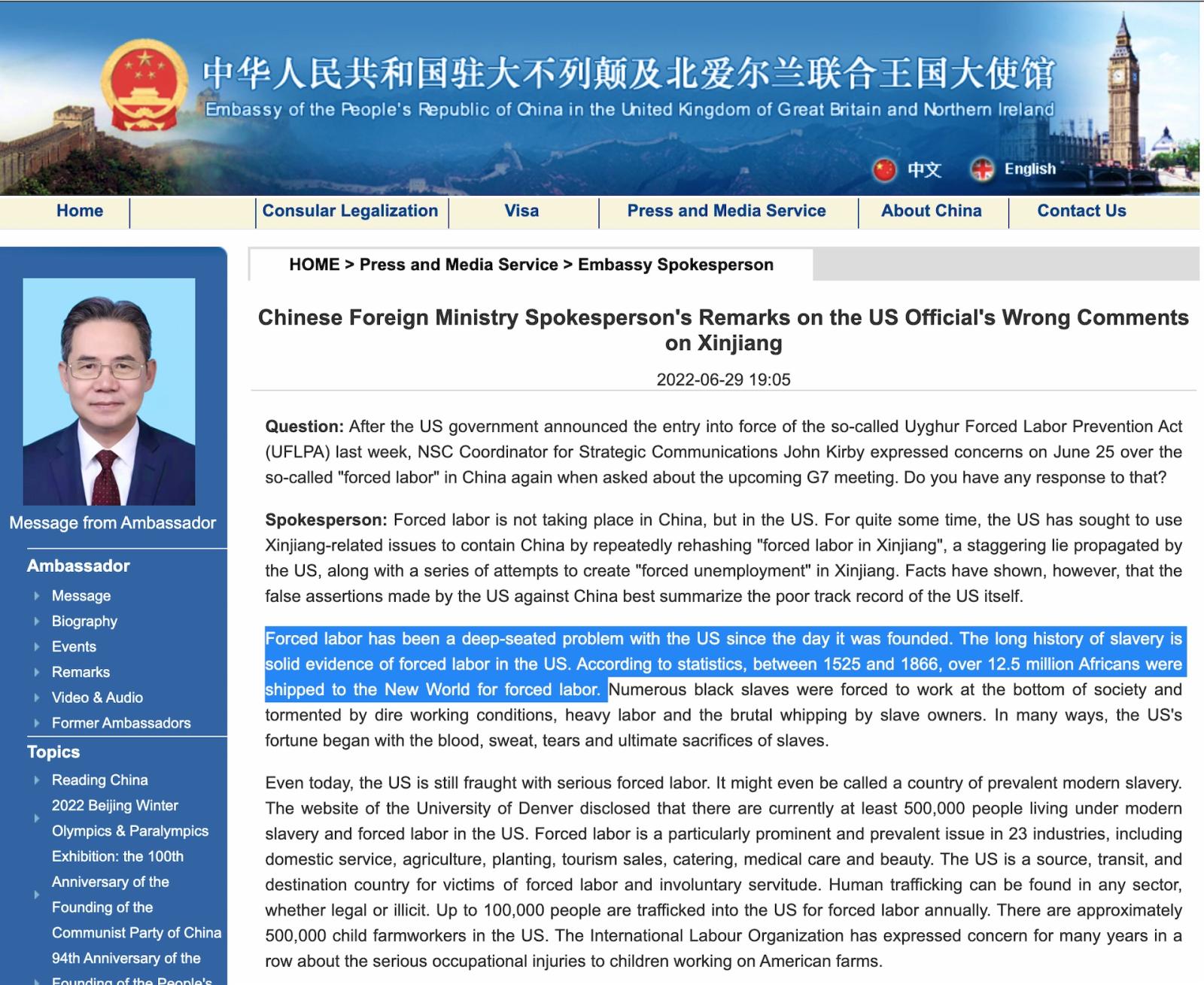
Also, the Consulate-General of the Peoples Republic of China in Toronto believes in how the West sees China. How they handle domestic problems - you can read that here.
Last but not least, a Chinese Foreign Ministry spokesperson Wang Wenbin told Yahoo the following: "According to Wang, the Uyghur Forced Labor Prevention Act and the US sanctions "represent an escalation of the US suppression of China under the guise of human rights and prove that the United States wantonly undermines the global economic and trade rules, as well as the stability of the international industrial chain and supply chain."
The tensions between China and most of the world must end at some point, and the more challenging the rhetoric becomes, the more difficult it can be to return to more normal relations!
I am a true believer in free speech and democracy, and I must admit that I have strong opinions about China and the kind of dictatorship they have. I also have strong views about companies that don't have morals or issues about exploiting people to the extent that the UFPLA implies. Then this morning, I heard a story on YouTube by a young Chinese woman, Siming Lan, where she explains, "Why China Doesn't Identify with the West, Explained."
That story doesn't change my mind, but I get a slightly better understanding of why Chinese people act the way they do.
An important question. How can companies like Ninestar get back to normal business? Can they pay salaries to the people forced to work for them? Can they give a public excuse, or what can they do to revert to normal? This question is neither simple nor easy to answer, but I fear changing the Xinjiang situation isn't easy either. As the UFPLA ban can be seen as part of a trade war between China and the US, I fear that the Uyghur Muslims could be forgotten in a trade agreement between China and the US and that Ninestar and all the other companies on the list will be allowed to trade as before - that I fear the most.
Unfortunately, even thinking China will comply with Human Rights is unrealistic. If the ban is lifted without substantial changes for the people in Xinjiang, and we as an industry revert to 'normal' business, I am sorry to say, then we all have blood on our hands.
I urge you to do the right thing!
Sources:
https://www.action-intell.com/2023/07/05/a-closer-look-at-the-uflpa-ban-on-ninestar-goods-and-the-impact-so-far/
https://www.federalregister.gov/documents/2023/06/12/2023-12481/notice-regarding-the-uyghur-forced-labor-prevention-act-entity-list#:~:text=FLETF%20member%20agencies.-,Requests%20for%20Removal%20From%20the%20Entity%20List,%40hq.dhs.gov.
https://www.cbp.gov/newsroom/stats/trade/uyghur-forced-labor-prevention-act-statistics
https://jww.org/site/uyghur-china-forced-labor-database/
https://en.wikipedia.org/wiki/Xinjiang
https://news.yahoo.com/china-reacts-us-law-bans-221639950.html?guccounter=1&guce_referrer=aHR0cHM6Ly93d3cuZ29vZ2xlLmNvbS8&guce_referrer_sig=AQAAALflEWYdDDCPYJ8Ao4_QamqSDxNvgB3sRfHx9r_xA5DWsw3lOvC__iZuPcGWRlm8oBxWgKPDNeqPNpuZl2qkbMPFJi_cOgI5bbhADVxcf8pAga88fg_omlVJrZ5X5qk6CscvYgPqS4vQUTZGqdI8hG7BZbIEWuMK0bO_vlAvZr9-
http://gb.china-embassy.gov.cn/eng/PressandMedia/Spokepersons/202206/t20220630_10712971.htm
https://www.dhs.gov/uflpa-entity-list
https://www.uscc.gov/sites/default/files/Research/Chinas%20Response%20to%20Terrorism_CNA061616.pdf
https://www.ohchr.org/sites/default/files/documents/countries/2022-08-31/ANNEX_A.pdf
http://toronto.china-consulate.gov.cn/eng/zxdt/202105/t20210508_8989347.htm
https://xinjiang.amnesty.org/#report
https://ec.europa.eu/commission/presscorner/detail/en/ip_22_5415
https://en.wikipedia.org/wiki/Uyghurs




Login
New User? Signup
Reset Password
Signup
Existing User? Login here
Login here
Reset Password
Please enter your registered email address. You will recieve a link to reset your password via email.
New User? Signup
Currency Exchange Graph